What Is a Second Hand Container and How Much Does It Cost?
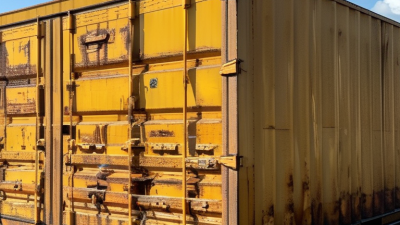
A second hand container can be a practical alternative to a new unit, but its price tells only part of the story. Condition, size, location, and delivery distance all affect the final cost. A weathered blue 20-foot container may look serviceable from the road, yet a closer inspection can reveal a stiff door, worn seals, or a floor that needs repair. Small details matter.
Before comparing listings, buyers should check the container’s grade, structural condition, door operation, roof, and floor. Ask for recent photographs and a clear description of repairs. Then confirm whether the quoted price includes delivery, unloading, and any site-access requirements. Costs vary by market and change over time, so treat online averages as a starting point—not a guaranteed quote. That distinction is easy to miss.
A named industry expert’s exact quotation should be checked against its original source before publication. No source article or verified quotation was provided here, so attributing a made-up statement would undermine trust. Insert a sourced quotation in this format: “[Verified quotation],” says [expert’s full name and relevant role]. With that evidence in place, this guide can explain what second hand containers are, how grades influence price, and which inspection questions help buyers make a more informed decision. It is worth pausing over one limitation: even a careful visual check cannot reveal every hidden defect.
What Defines a Second-Hand Shipping Container?
A second-hand shipping container is a unit that has already carried cargo or served in storage. Its age alone does not define its condition. Buyers should check the floor, corner castings, door seals, roof, and wall panels for rust, holes, distortion, and repairs. Look closely at the lower rails. Damage often hides there.
ISO 668 defines standard container dimensions and ratings, but it does not certify a used unit’s current condition. That distinction matters.
Trade descriptions such as “cargo-worthy” and “wind and watertight” indicate different levels of suitability, and sellers may apply them differently. Ask for a recent inspection report, clear photos, and details of repairs; verify that the doors close and the floor feels firm underfoot. A fresh coat of paint can hide trouble. It is easy to trust a tidy photograph too much.
UNCTAD’s Review of Maritime Transport 2024 estimated seaborne trade at about 12.3 billion tonnes in 2023, showing the scale of shipping activity behind the second-hand market. That figure covers all seaborne cargo, not containers alone.
A careful inspection remains more useful than age or appearance when judging one specific unit.
Common Container Types and Their Condition Grades
Second-hand containers come in several practical forms. Standard dry vans carry boxed goods, while high-cube units add interior height for bulky loads. Reefers have insulated walls and cooling machinery; check the unit’s service records and test its temperature controls. Open-top containers suit tall cargo, and flat racks carry oversized items. Drewry’s 2024 Container Census estimated the global container fleet at 52.3 million TEU in 2023. TEU measures capacity, not the number of physical boxes. That scale reflects a varied market, not a consistent standard of condition.
Condition labels help, but inspect the actual unit. Cargo-worthy containers are generally assessed for structural fitness for transport. Wind-and-watertight units should keep out rain, though that label alone does not confirm transport certification. “As-is” usually means repairs may be needed. Look closely at door seals, roof patches, floor boards, corner castings, and signs of standing water. Ask for inspection records and clarify what any certificate covers. Labels can vary between sellers; that distinction is easy to miss. A clean exterior can hide a soft floor or a door that sticks. Condition affects value, but intended use matters too: a storage box may not need the same standard as one moving by sea.
Practical Uses for Pre-Owned Containers
A second-hand container can become useful space after its shipping career ends. A 20-foot unit is about 6.06 metres long; a 40-foot unit is about 12.19 metres. These familiar dimensions make planning straightforward. UNCTAD’s Review of Maritime Transport 2024 reports that global container-port traffic reached 858.9 million TEUs in 2023. That scale helps explain why pre-owned units are available, though condition and local supply vary.
On farms and building sites, containers can store tools, spare parts, or bagged materials under lock and key. A level base, working door seals, and ventilation matter more than a fresh coat of paint. For workshops, add lighting and shelving only after checking the floor and roof for damage. A container can also serve as a temporary office or a small retail space, but insulation and safe electrical work add cost. Not every box fits.
Purchase prices depend on size, age, condition, and delivery distance. A low sticker price may not include transport, lifting, site preparation, or repairs. Ask to inspect the doors, floor, roof, and frame, and request clear photos if an in-person check is impossible. It is easy to underestimate delivery. A used unit may be practical, but it is not automatically cheap once installation begins.
What Does a Second-Hand Shipping Container Cost?
Typical U.S. asking-price ranges vary by size and condition. Used containers are commonly repurposed for storage, equipment shelters, and other non-shipping uses. Prices are estimates; location, condition, delivery, and modifications can change the total cost.
Key Factors That Determine Second-Hand Container Prices
A second-hand container’s price depends heavily on its condition, size, and location.
A dry 20-foot unit with sound doors and a clean floor usually costs less than a high-cube or refrigerated unit. Rust spots matter less than holes, bent corner posts, or doors that do not seal. Ask for recent photos and inspect the roof, floor, and door seals in person when possible. A fresh coat of paint can look reassuring. It is not a repair record.
Age and repair history also affect value. A unit with documented maintenance may be a better buy than a younger container with hidden damage. UNCTAD’s Review of Maritime Transport 2024 reported that maritime trade grew 2.4% in 2023. That broad growth can influence equipment demand and local availability, but it does not set second-hand prices directly. Market conditions vary by region.
Delivery can change the final bill substantially. A low-priced container may become expensive if it must travel far or needs a crane for placement. Steel costs matter too: the World Steel Association’s October 2024 Short Range Outlook forecast global steel demand to rise 1.7% in 2025. This is context, not a direct container-price forecast. Compare delivered quotes, confirm the unit’s condition, and leave room for repairs. One overlooked detail can undo a bargain.
How to Assess and Buy a Used Container
A second-hand container may look sound from the outside, yet small defects can affect its usefulness. Check the roof for dents or daylight, then open and close both doors. Look for damaged seals, soft floorboards, heavy rust, and bent corner fittings. Ask how the unit was used and whether repairs were made. Compare its external and internal dimensions with your planned cargo or storage needs. Photos help, but they cannot replace an in-person inspection. A quick walk-around is useful, not perfect.
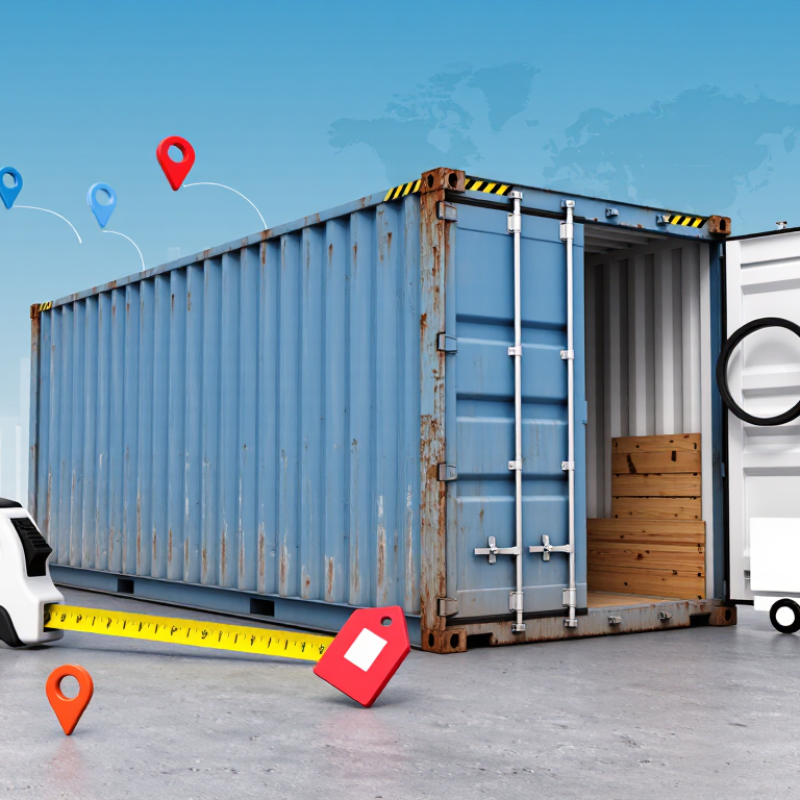
Tips: Bring a flashlight and a tape measure. Test the door locks, inspect the floor from inside, and photograph any damage before agreeing to buy. Ask for the total delivered price in writing.
Price depends on size, age, condition, location, and transport distance. A container needing repairs may cost less upfront but more after delivery. Get separate quotes for the unit, transport, and any requested modifications. Confirm the delivery site has enough clear space and suitable access for unloading. If inspection is impossible, request recent, date-stamped photos of the roof, floor, doors, and interior. Be cautious of vague descriptions such as “good condition”; ask what that means in practical terms. I would still expect some wear on a used unit. The important thing is knowing what you are accepting before payment.
What Is a Second Hand Container and How Much Does It Cost? - How to Assess and Buy a Used Container
Indicative used-container prices in the United States, in USD. Prices vary by location, age, condition, availability, and seller; delivery, taxes, and site preparation are generally additional.
| Container type |
Typical external dimensions |
Common used condition |
Indicative price |
What to assess |
| 20-foot standard dry |
20 ft × 8 ft × 8 ft 6 in
(6.06 × 2.44 × 2.59 m) |
Wind- and watertight or cargo-worthy; cosmetic dents and surface rust are common. |
About $1,500–$3,000 |
Check the roof, floor, corner posts, door seals, locking bars, and whether daylight or water enters. |
| 40-foot standard dry |
40 ft × 8 ft × 8 ft 6 in
(12.19 × 2.44 × 2.59 m) |
Used storage or cargo-worthy unit; appearance and remaining service life vary. |
About $2,000–$4,500 |
Inspect the long side panels for bows, the frame for twisting, and the floor for soft spots or chemical odors. |
| 40-foot high-cube dry |
40 ft × 8 ft × 9 ft 6 in
(12.19 × 2.44 × 2.90 m) |
Often chosen for extra interior height; used units may have dents, patches, or worn flooring. |
About $2,500–$5,000 |
Confirm the actual height and check overhead clearance at the delivery site, gates, and access route. |
| 20-foot refrigerated (reefer) |
Approximately 20 ft × 8 ft × 8 ft 6 in
(6.06 × 2.44 × 2.59 m) |
May be operational or sold with a cooling unit that needs repair; insulated interior reduces usable space. |
About $3,000–$8,000 |
Ask for a powered test, temperature-pull-down results, maintenance history, and confirmation of electrical requirements. |
| 40-foot refrigerated (reefer) |
Approximately 40 ft × 8 ft × 9 ft 6 in
(12.19 × 2.44 × 2.90 m) |
Price depends heavily on cooling-unit age, operating status, insulation, and floor condition. |
About $5,000–$12,000 |
Have the refrigeration system checked by a qualified technician; verify the unit can be powered at the intended site. |
Used Container Buying and Inspection Checklist
| Assessment area |
What to verify before purchase |
| Condition and grade |
Clarify whether the unit is cargo-worthy, wind- and watertight, or sold as-is. Ask for recent photos and inspect the actual unit where possible. |
| Structure and doors |
Look for serious corrosion, cracks, major repairs, a distorted frame, doors that bind, damaged locking gear, and worn or missing seals. |
| Interior and floor |
Check for leaks, soft or broken floor areas, persistent odors, contamination, and repairs that could affect your intended use. |
| Delivery and placement |
Get delivery and unloading costs in writing. Confirm the truck can reach the site and that the ground is level, firm, and accessible. |
| Permits and total cost |
Check local zoning or permit requirements and compare the full delivered cost, including taxes, placement, repairs, and any required modifications. |
Dimensions are typical nominal exterior measurements; interior dimensions vary by design and insulation. Price ranges are estimates, not quotes.