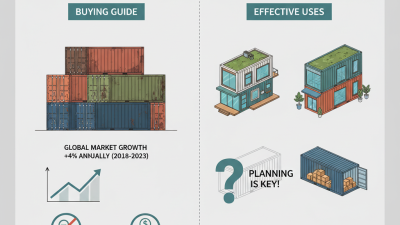
Buying second hand storage containers can look simple from a distance. A steel box arrives, the doors close, and the purchase seems finished. In reality, small defects can become expensive problems after delivery. Rust beneath fresh paint, warped doors, damp timber floors, and hidden roof damage deserve careful attention.
Container industry analyst Simon Heaney offers a useful principle: “Condition matters more than appearance when assessing a container.” That advice feels obvious, yet buyers often trust a polished photograph too quickly. A container may look clean online but reveal pinholes when sunlight enters through its roof. The door gasket may also seem intact until rain reaches stored tools, furniture, or documents.
This guide presents 10 practical tips for buying second hand storage containers with greater confidence. It covers inspection photographs, grades, dimensions, wind and watertight condition, floor strength, delivery access, and modification costs. It also explains why the cheapest quote may not be the cheapest option. Transport fees, crane requirements, repainting, and ventilation can change the final price sharply.
Some decisions remain imperfect. A used container is not a new one. That is the point. Buyers must balance appearance, age, condition, location, and intended use. Measure the site twice. Ask direct questions. Request current photos, not old catalogue images. A careful inspection will not remove every risk, but it can prevent a disappointing and costly surprise.
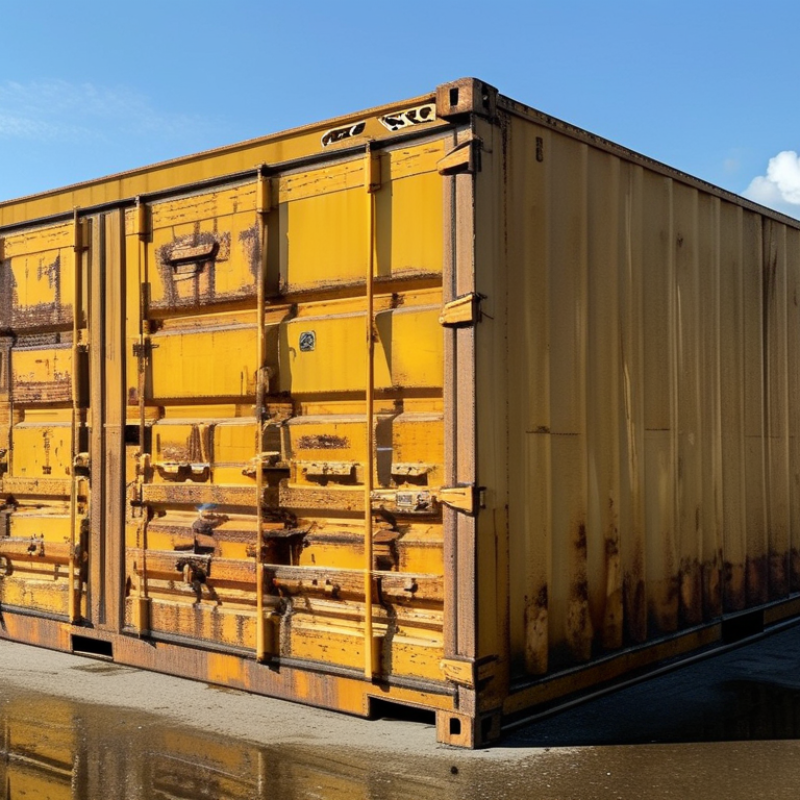
Before buying a second-hand storage container, define what you will store, where it will stand, and how often you will access it. A 20-foot unit offers roughly 33 cubic metres of internal space, while a 40-foot unit provides about 67 cubic metres, depending on the model. Measure your goods, pallets, pathways, and doorway clearances. Allow space for ventilation and safe movement. Bigger is not always better.
Consider weight, moisture, temperature, and loading frequency. Paper products need dryness, while machinery may require stronger flooring and wider access planning. The International Organization for Standardization sets common container dimensions, but used units can vary after repairs. I once measured the floor correctly but forgot the door swing. That mistake reduced usable space.
Condition matters as much as capacity. Inspect the roof for pinholes, the corner posts for distortion, and the floor for soft patches or chemical odours. Check the door seals with a flashlight inside the closed unit. UNCTAD’s Review of Maritime Transport 2024 records continued growth in global container capacity, which means second-hand supply can vary by location and season. Compare several local units instead of trusting photographs. Request inspection records and verify that the container’s safety plate remains readable. The International Convention for Safe Containers requires compliant units for international transport, but storage-only use still deserves careful structural checking. A rusty exterior may be acceptable; a leaking roof is not.
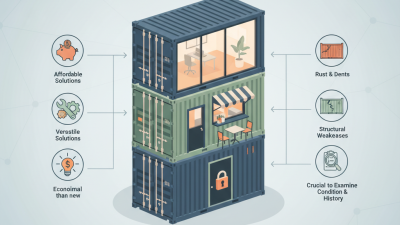
Buying a second-hand storage container demands more than checking its price. A clean exterior can hide structural fatigue, water entry, or poor repairs. I inspect on level ground with a flashlight, tape measure, gloves, and a small screwdriver.
Walk around the frame and look for bowed rails, twisted corner posts, deep dents, and fresh welds. Surface rust is often manageable, but flaking steel, holes, or soft metal deserve serious caution. Open both doors and check whether they swing freely and meet evenly. Uneven gaps may indicate a shifted frame. Measure the floor for sagging, then step carefully across it. It should feel firm, not springy. I once focused on the walls and missed a weak floor section near the rear doors. That mistake changed my inspection routine.
Seals need close attention. Press the rubber gasket around each door and look for cracks, shrinkage, or flattened areas. Close the doors, stand inside, and look for daylight around the edges. A dark interior helps. Smell the floor and walls for dampness, oil, or persistent odors, then inspect for stains, mold, peeling coatings, and pest damage. A dry day can hide leaks, so check the ceiling and corners for tide marks. Ask for maintenance records and the container’s age, but verify claims against visible evidence. If access is limited, record that clearly; an incomplete inspection should not create false confidence.
10 Tips for Buying Second Hand Storage Containers
Before purchasing, measure your available space and the container itself. Tip 1: Confirm external length, width, and height with a tape measure. Tip 2: Check internal dimensions, because wall thickness reduces usable space. Tip 3: Measure door openings and ceiling clearance. A container may fit outside but fail indoors. Tip 4: Inspect the floor for soft areas, raised nails, or water stains. I once trusted an advertised size and overlooked the door swing. That mistake cost time.
Material condition matters more than a fresh coat of paint. Tip 5: Identify whether the structure uses steel, aluminum, or mixed materials. Tip 6: Look for rust around corners, roof seams, hinges, and lower rails. Tip 7: Test doors, locks, seals, and ventilation openings. Tip 8: Check welds for cracks or uneven repairs. Use daylight, not photographs alone. A strong appearance can hide thin corrosion.
Age can explain wear, but previous use reveals risk. Tip 9: Ask when the container was built and request maintenance records. Tip 10: Ask what it stored, how often it moved, and where it stood. Avoid units with persistent chemical odors, unknown stains, or extensive modifications. Inspect the roof after rain if possible. A qualified inspector can confirm structural concerns. My own judgment is not infallible, especially when a low price feels persuasive. A written inspection report creates clearer evidence before payment.
| Tip | Inspection Focus | What to Verify | Useful Reference Data | Recommended Buying Action |
|---|---|---|---|---|
| 1 | External Dimensions | Measure the outside length, width, and height, including corner fittings, doors, hinges, and any attached hardware. | Common general-purpose sizes include approximately 6.06 m × 2.44 m × 2.59 m and 12.19 m × 2.44 m × 2.59 m. | Compare the measured size with the available site, gate, transport route, and planned foundation. |
| 2 | Internal Dimensions | Check the usable floor length, internal width, internal height, door opening, and any loss of space caused by lining or fittings. | Internal dimensions are always smaller than external dimensions because of wall panels, roof structure, doors, and floor construction. | Use internal measurements when confirming pallet capacity, shelving layouts, equipment clearance, or walkways. |
| 3 | Construction Material | Identify the material used for the frame, wall panels, roof, doors, and floor. Look for corrosion, cracks, delamination, or repairs. | Steel frames and weather-resistant steel panels are common; marine-grade plywood or treated timber may be used for floors. | Choose materials suitable for the climate, expected load, moisture exposure, and intended storage period. |
| 4 | Manufacturing Age | Request the manufacturing date, identification plate, inspection records, and maintenance history where available. | Age alone does not determine condition; corrosion, repairs, loading history, and exposure can be more important than the calendar year. | Treat missing age records as a reason for a more detailed inspection rather than relying only on appearance or seller statements. |
| 5 | Previous Use | Ask whether the unit carried dry goods, machinery, chemicals, food products, waste, or other potentially contaminating materials. | Previous cargo can affect odors, residue, floor safety, corrosion, and suitability for personal, agricultural, or sensitive storage. | Avoid units with an unknown or unsuitable history unless professional cleaning and material-safety checks are completed. |
| 6 | Floor Condition | Inspect the floor for soft areas, broken boards, oil stains, deep grooves, water damage, insect damage, and excessive deflection. | A floor designed for heavy cargo may still require replacement if it has been exposed to standing water, chemicals, or concentrated loads. | Walk across the entire floor, inspect from below when possible, and include repair or replacement costs in the budget. |
| 7 | Roof and Wall Integrity | Look for holes, dents that affect structure, pinholes, rust scale, failed welds, loose panels, and evidence of previous patching. | Small surface dents may be cosmetic, while holes, active corrosion, or separated structural joints can allow water entry or reduce strength. | Inspect in daylight or use a strong lamp inside the closed unit to identify light leaks and possible openings. |
| 8 | Doors and Seals | Open and close every door, test the locking bars, inspect hinges, confirm alignment, and check rubber or gasket seals. | Doors should operate without excessive force and should close evenly along the full seal line. | Replace damaged seals or locking hardware before storing moisture-sensitive, valuable, or security-sensitive items. |
| 9 | Waterproofness and Ventilation | Check for stains, damp smells, condensation marks, blocked vents, and active leaks around the roof, doors, corners, and floor. | A weather-resistant unit is not automatically climate-controlled; temperature and humidity can still fluctuate significantly inside. | Use moisture control, raised pallets, ventilation, or insulation when the stored goods require a more stable environment. |
| 10 | Handling, Placement, and Total Cost | Confirm lifting points, transport access, ground support, delivery requirements, permits, repairs, cleaning, and installation expenses. | The purchase price may exclude delivery, crane or lifting equipment, site preparation, leveling, locks, repainting, and internal modifications. | Calculate the complete delivered-and-installed cost before comparing different second-hand units or accepting an offer. |
10 Tips for Buying Second Hand Storage Containers
Compare Prices, Delivery Costs, and Seller Reliability
A low asking price can hide expensive repairs, cleaning, or transport. I compare at least three similar containers before making an offer. I record dimensions, age, condition, and included accessories in one simple note. This prevents an attractive photo from influencing me too quickly. Photos can mislead. Ask for recent images of the floor, doors, roof, and corner posts. Check for rust, leaks, unpleasant smells, and uneven doors. Small dents are often acceptable, but structural damage deserves professional advice.
Delivery can change the final price dramatically. Request a written quote that includes loading, mileage, unloading, and difficult-site charges. Confirm whether a crane, flat surface, or access clearance is required. Measure the entrance twice. I once underestimated a narrow driveway and delayed delivery. That mistake cost time and a second site visit. Ask about delivery dates, weather delays, and cancellation terms before paying. A clear quote is more useful than a cheap headline price.
Seller reliability needs practical checking. Look for a physical address, consistent contact details, and clear ownership records. Ask for the container’s identification information and a detailed condition report. Reliable sellers answer specific questions without rushing the sale. Read recent independent feedback, but do not trust perfect ratings alone. Request a written invoice and avoid pressure to pay through unusual methods. I still make mistakes when comparing offers. However, checking price, delivery, and seller history together usually reveals the safer purchase.
Compare the purchase price, delivery costs, condition-related expenses, and seller reliability before committing to a used container.
The chart shows typical U.S. planning ranges for a used 20-foot storage container. Prices vary with container condition, delivery distance, local taxes, site access, and required repairs. Request written quotes, inspect doors and floors, confirm delivery terms, and check seller reviews before purchasing.
Buying a second-hand storage container is not complete when the price is agreed. The paperwork matters just as much as the steel. Request a written invoice showing the seller’s details, container identification number, dimensions, age, and agreed condition. Ask whether the unit is owned by the seller and free from unresolved claims. Keep photographs of every side, the roof, floor, doors, and locking bars.
Check that the delivery note matches the container you inspected. Record dents, corrosion, repairs, leaks, and missing parts before signing. If transport or placement is included, write those responsibilities into the agreement. Verbal promises can disappear quickly. They often do. Confirm any return terms, inspection period, and payment schedule in writing. Local placement requirements may also apply, so verify them with the relevant authority before delivery.
Safety checks should be practical, not rushed. Walk inside during daylight and look for water stains, soft flooring, sharp metal, blocked vents, or chemical odors. Open and close every door several times. Test the locking points. A small roof leak can become expensive after one winter. I once underestimated surface rust because the exterior looked clean from a distance. That was a useful mistake. Use a torch, gloves, and a moisture meter when possible. For valuable goods, arrange an independent inspection and retain its report with the purchase documents. Never store materials until the container is dry, stable, and safely positioned.
Are you still planning to build your shipping container home this year? How about you could save up to $5,000 in delivery costs towards your project?
With the Tiny Home Expos in Brisbane, Adelaide and Canberra in the coming months, we are offering FREE DELIVERY (*up to $5000) to each state the Expo is in, in exchange with using your project as a display at the show. Offer expires 8 weeks before each Expo and limited to ONE project per Expo ONLY so reach out to us now to secure your spot!
Enquire Now