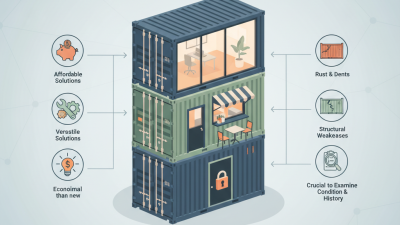
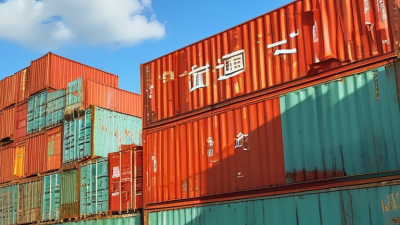
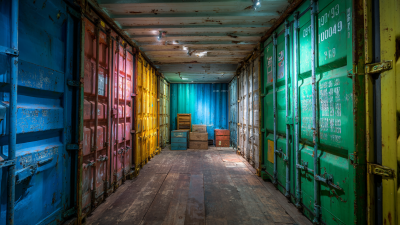
As global supply chains mature, second hand storage containers are becoming a practical choice for buyers seeking secure, reusable space in 2026. UNCTAD’s Review of Maritime Transport 2024 highlights continuing growth in maritime trade, while also warning about route disruptions, port congestion, and higher operating uncertainty. These pressures can influence container availability, inland delivery costs, and regional pricing.
The market is not simply about finding the lowest quotation. A used 20-foot container may look affordable, yet rust beneath the floor, damaged door gaskets, or weak corner castings can create unexpected costs. Careful buyers should review inspection photographs, production year, container history, CSC plate status, and ISO 668 dimensions. The World Bank’s Logistics Performance Index also shows that customs, infrastructure, tracking, and delivery reliability strongly affect logistics outcomes. Storage decisions deserve the same attention.
Industry platforms such as Container xChange provide regular market data on container prices, leasing conditions, and regional supply trends. Their market observations can support comparisons, although figures may change quickly between ports. That matters in 2026.
A realistic buying process includes more than a product list. It compares cargo protection, ventilation, waterproofing, transport access, and local refurbishment standards. Buyers should also confirm permitted uses with local authorities and qualified inspectors. Standards vary.
This guide reviews leading second hand storage containers for global buyers, focusing on condition, value, documentation, and practical deployment. Some assumptions may prove imperfect, because container markets move faster than published reports. Still, transparent evidence remains the safest starting point.
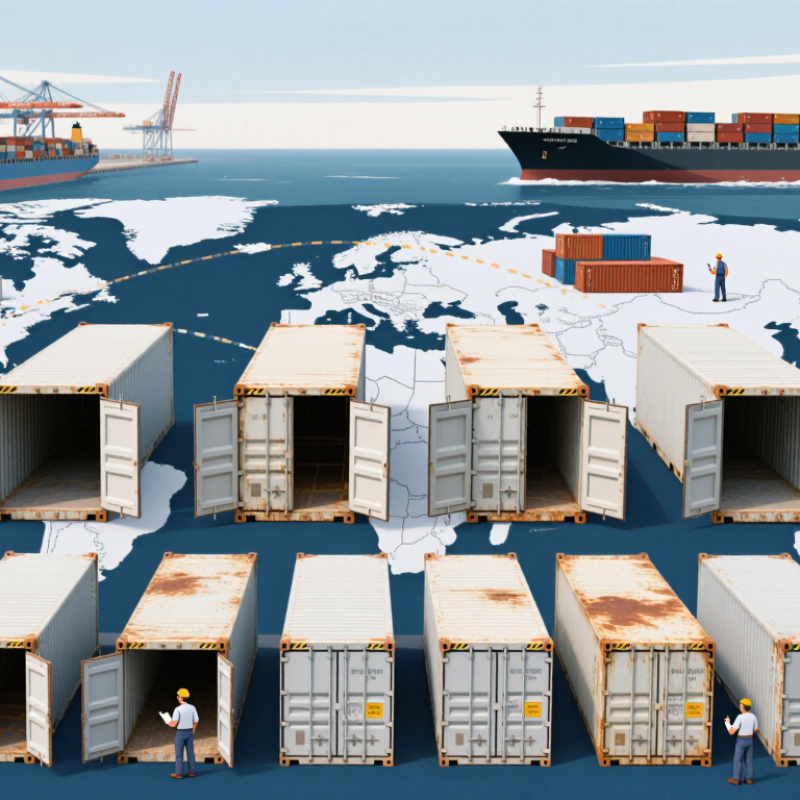
More than 80% of global trade by volume moves across oceans. This reality keeps used shipping containers important for buyers worldwide. After several voyages, many containers become practical storage units. They can hold tools, spare parts, furniture, or sealed business records. Their steel walls resist rain, wind, and daily handling when properly maintained. However, a low purchase price can mislead.
A reliable inspection should examine the container from the roof downward. Check the corner posts, door hinges, locking bars, floor, and drainage areas. Look for deep corrosion, light entering through holes, warped doors, or chemical odors. A dry interior matters greatly. So does a readable identification plate and a clear service history. Photos help, but they cannot replace an in-person inspection.
Global buyers should calculate more than the unit price. Ocean freight, port handling, inland delivery, taxes, lifting equipment, and site preparation may exceed expectations. Confirm local transport limits before ordering. A standard twenty-foot unit may fit a narrow site better than a forty-foot unit. High-cube models offer extra height, but access can be difficult. Conditions also vary between coastal and inland storage. Salt air accelerates rust. Dry climates can damage door seals. No checklist catches everything. Careful buyers leave room for repairs and changing freight costs.
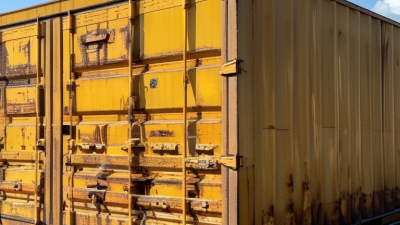
2026 Top Second Hand Storage Containers for Global Buyers
ISO 668 Sizes: Compare 20ft, 40ft, and 40ft High-Cube Containers
For global buyers, ISO 668 dimensions provide a reliable starting point when comparing used storage containers. A 20ft container measures about 6.06 metres long, 2.44 metres wide, and 2.59 metres high externally. Its typical internal volume is close to 33 cubic metres. It suits tools, spare parts, household goods, and smaller stock levels.
A 40ft container keeps the same width and standard height but doubles the length to approximately 12.19 metres. Its internal capacity usually reaches about 67 cubic metres. The 40ft High-Cube adds roughly 30 centimetres of height, creating nearly 76 cubic metres inside. That extra space helps with tall shelving and bulky cartons. Measure carefully. Internal dimensions vary slightly between units.
Size is only half the decision. Used containers should be checked at the doors, roof, floor, corner posts, and lower rails. Look for daylight inside. That is a warning. Surface rust may be manageable, but deep corrosion can weaken the structure. A clean repaint is not proof of good condition. I have seen attractive units hide damaged flooring beneath fresh coatings. Ask for recent photos, the identification plate, tare weight, and verified external dimensions. Confirm the door seals and inspect after rainfall when possible. The selected size must also match the delivery site, lifting equipment, local access, and planned loading method. A larger container is not always the better purchase.
ISO 668 Size Comparison: 20ft, 40ft, and 40ft High-Cube Containers
The 40ft High-Cube container provides approximately 76.3 m³ of internal storage volume, around 13% more than a standard 40ft container and about 130% more than a 20ft container. External height is based on representative ISO 668 nominal dimensions. Actual second-hand containers may vary slightly due to manufacturer tolerances, repairs, flooring, and insulation.
2026 Top Second Hand Storage Containers for Global Buyers
A CSC safety plate is more than a metal label. It records the container’s maximum gross mass, tare weight, inspection date, and identification details. Some units show a maximum gross mass of up to 28,200kg, but this figure is not universal. The actual payload depends on the individual plate and container condition. Calculate it carefully: maximum gross mass minus tare weight equals permitted payload. A container weighing 4,000kg may therefore carry about 24,200kg, if its plate confirms that limit. Do not rely on a sales listing alone.
Check that the CSC plate is readable, securely fixed, and consistent with the container number. Request clear photographs before purchase. Inspect corner posts, roof rails, door locking bars, floor boards, and welds. Rust around a corner casting deserves attention. A clean exterior can mislead. Modified units may have reduced capacity, especially after added doors, insulation, shelving, or flooring. This is where buyers sometimes underestimate risk. Ask for the latest inspection evidence and compare all weights with transport requirements. If the plate is missing, damaged, or inconsistent, pause the transaction and obtain an independent structural assessment. Payload figures look precise, yet real-world loading also depends on weight distribution and local handling equipment.
| Container Type | Typical External Dimensions (L × W × H) |
Typical Internal Dimensions (L × W × H) |
Typical Tare Mass | Maximum Gross Mass Shown on Applicable CSC Plate |
Illustrative Payload Capacity | Common Used-Unit Storage Application | Buyer Verification Priority |
|---|---|---|---|---|---|---|---|
| 10 ft Standard Dry Container | 2,991 × 2,438 × 2,591 mm | 2,831 × 2,350 × 2,390 mm | 1,300–1,500 kg | Up to 10,160 kg, subject to the individual safety plate | Approximately 8,660–8,860 kg | Compact stock rooms, tools, equipment and small-site storage | Confirm that the unit is structurally sound and that its marked rating is suitable for the intended load. |
| 20 ft Standard Dry Container | 6,058 × 2,438 × 2,591 mm | 5,898 × 2,352 × 2,393 mm | Approximately 2,280 kg | 30,480 kg, where specified on the CSC safety plate | Up to 28,200 kg 30,480 − 2,280 kg |
General storage, palletized goods, machinery and construction materials | Best payload-to-size option Verify tare mass and maximum gross mass on the actual plate. |
| 20 ft High Cube Dry Container | 6,058 × 2,438 × 2,896 mm | 5,898 × 2,352 × 2,698 mm | 2,400–2,700 kg | Up to 30,480 kg, if stated on the plate | Approximately 27,780–28,080 kg | Higher-volume storage, tall equipment and goods requiring additional headroom | Check door height, roof condition, corner posts and the lower payload caused by the higher tare mass. |
| 40 ft Standard Dry Container | 12,192 × 2,438 × 2,591 mm | 12,032 × 2,352 × 2,393 mm | 3,700–4,000 kg | Up to 30,480 kg, subject to the individual CSC plate | Approximately 26,480–26,780 kg | Long goods, large inventories, furniture and warehouse overflow | Confirm flooring condition, internal tie-down points and local transport weight limits. |
| 40 ft High Cube Dry Container | 12,192 × 2,438 × 2,896 mm | 12,032 × 2,352 × 2,698 mm | 3,900–4,200 kg | Up to 30,480 kg, where permitted by the plate | Approximately 26,280–26,580 kg | High-volume storage, shelving systems and goods needing extra vertical clearance | Popular storage format Inspect roof leaks, door seals, corner castings and floor load distribution. |
| 45 ft High Cube Dry Container | 13,716 × 2,438 × 2,896 mm | 13,556 × 2,352 × 2,698 mm | 4,600–4,900 kg | Up to 30,480 kg on units carrying the applicable rating | Approximately 25,580–25,880 kg | Maximum internal volume, long stock and large-scale inventory storage | Check route, handling equipment, permitted transport length and the container’s individual plate details. |
CSC Safety Plate and Payload Verification Checklist
| Inspection Item | What to Verify Before Purchase or Loading | Why It Matters |
|---|---|---|
| Maximum gross mass | Read the permanently affixed CSC safety plate on the actual container. Do not rely only on a listing or catalogue specification. | The allowable gross mass can differ between individual units and may be lower than the common 30,480 kg reference. |
| Tare mass | Use the tare mass printed on the plate or verified weighing record. | Payload equals maximum gross mass minus the actual tare mass. |
| Next examination date | Check the inspection date or applicable examination arrangement shown on the CSC plate and supporting documents. | An expired or unclear inspection status may create operational, transport or regulatory problems. |
| Structure and corner castings | Inspect corner posts, top and bottom rails, cross-members, doors and locking bars for bends, cracks or unauthorized repairs. | Structural damage can reduce safe handling capability even when the container looks usable externally. |
| Floor and load distribution | Check for soft spots, broken boards, chemical contamination and concentrated point loads. | The payload figure is not permission to exceed floor ratings or to place heavy loads unevenly. |
| Local transport limits | Confirm road axle limits, lifting equipment limits and import requirements in the destination country. | Legal transport capacity can be lower than the container’s CSC-rated gross mass. |
Payload figures are calculated examples based on the stated gross mass and indicative tare mass. Actual capacity must always be calculated from the individual container’s CSC safety plate, condition, loading method and applicable local regulations.
For global buyers, a used container aged eight to twelve years needs more than a fresh coat of paint. Age is a screening point, not a final grade. Inspect the door frame, corner posts, roof seams, and floor underside. A container can look clean outside while hidden corrosion weakens its structure. Experienced inspectors use bright light, moisture checks, and close photos from several angles. Ask for repair records and the last inspection date.
Light surface rust is often manageable when the metal remains firm and evenly thick. Deep pitting, holes, flaking steel, or rust around corner castings deserves serious caution. Open and close every door. Check the gasket, locking bars, hinges, and welds. Water stains on the plywood floor may reveal roof leaks. A repaired panel is not automatically a problem, but uneven welding or fresh paint can hide rushed work. That detail matters.
For eight to twelve-year units, buyers should separate cargo-worthy, wind-and-watertight, and storage-grade conditions according to their intended use and local requirements. Confirm dimensions, tare weight, inspection documents, and delivery photos before payment. Independent inspection is valuable when distance limits a physical visit. I would not rely on age alone; I once saw a younger unit with worse corrosion than an older, well-maintained one. My checklist still misses things sometimes. A second review can prevent an expensive mistake.
For global buyers, a second-hand storage container should be judged by evidence, not fresh paint. Request dated photos of the roof, corner posts, door seals, floor, and interior walls. Check for deep rust, twisted frames, water stains, chemical odors, and uneven doors. A serial number should match the inspection record. Small defects matter. A damaged door seal can ruin stored goods during a long wet season.
Certification must match the intended use and destination. Ask for an independent inspection report, repair history, dimensions, tare weight, and applicable safety documentation. Containers used for international transport may require a valid safety plate and current inspection status. Storage-only units may follow different local rules. Confirm requirements with the port, carrier, and local authority. Certificates can look complete while missing a renewal date.
Shipping quotes rarely show the full cost. Calculate the unit price, inspection fee, repairs, inland haulage, port handling, customs charges, taxes, insurance, delivery equipment, and final positioning. Add storage and possible demurrage fees. Compare quotes using the same delivery location and unloading method. A cheaper container can become expensive after repainting or floor replacement. Buyers sometimes overlook currency changes and seasonal freight rates. Leave a contingency budget. The estimate may still be wrong. Recheck every assumption before payment.
Are you still planning to build your shipping container home this year? How about you could save up to $5,000 in delivery costs towards your project?
With the Tiny Home Expos in Brisbane, Adelaide and Canberra in the coming months, we are offering FREE DELIVERY (*up to $5000) to each state the Expo is in, in exchange with using your project as a display at the show. Offer expires 8 weeks before each Expo and limited to ONE project per Expo ONLY so reach out to us now to secure your spot!
Enquire Now