Top 10 Types of Second Hand Storage Containers for Buyers

Second hand storage containers can be practical, durable spaces for tools, stock, equipment, or seasonal supplies. But “used” does not describe one uniform product. A weathered 20-foot dry container, a taller 40-foot high-cube unit, and a refrigerated container each suit different needs. Door layout, internal height, condition, and delivery access can matter as much as price. Small details count.

Industry figures help explain the market, but they need careful interpretation. UNCTAD’s Review of Maritime Transport 2024 reports that global containerized trade grew by 0.3% in 2023, following a 3.7% decline in 2022. Those figures describe seaborne trade, not second-hand storage sales. They do, however, show why container availability and pricing can shift with wider shipping conditions. A report is context, not a guarantee.

This guide compares ten common types, from standard dry and high-cube units to open-top, flat-rack, insulated, and refrigerated containers. It focuses on practical buying checks: visible corrosion, door seals, floor condition, and whether the unit can reach its intended site. A used container may show dents or faded paint. That is not automatically a problem, though hidden damage deserves attention. Buyers should confirm dimensions, inspect photos closely, and request a condition description before arranging delivery. No checklist removes every uncertainty, but it can make comparisons more grounded and help match the container to the job.
Top 10 Types of Second Hand Storage Containers for Buyers

What Second-Hand Storage Containers Are and How Buyers Use Them

Second-hand storage containers are steel shipping boxes retired from, or sold out of, freight service. Buyers use them for tools, seasonal stock, equipment, and materials at farms, workshops, and construction sites. Many are built to standard dimensions, so buyers can compare common lengths, door layouts, and floor conditions. But “used” describes a wide range of wear. That matters.

UNCTAD’s Review of Maritime Transport 2024 reports 858.9 million TEU in global container-port throughput during 2023, up 2.3% from 2022. This measures port activity, not second-hand sales, but it shows the scale of the container system that supplies many used units. Buyers should inspect the roof for dents or leaks, check door seals and hinges, and look for soft spots in the floor. Ask about repair history and prior cargo use, then match the container’s condition to its job. A dry unit may suit boxed supplies; valuable goods may need better seals and added ventilation. A photo can miss a bowed door. I would not buy on appearance alone. Allow room for delivery equipment, too, and confirm the ground is level before placement.

Top 10 Types of Second-Hand Storage Containers for Buyers

What they are and how buyers use them

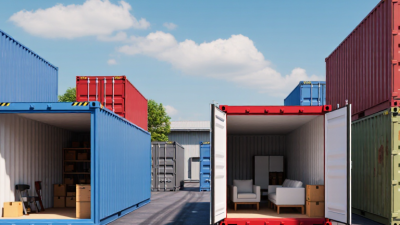
Dry containers suit general storage, while high-cube models provide extra headroom. Reefer containers are insulated and designed for temperature-controlled transport; open-top models accommodate top-loading cargo. Before buying, check the unit’s condition, dimensions, doors, floor and, for reefers, the refrigeration equipment. Volumes shown are typical approximate internal capacities; specifications vary by model and manufacturer.

Standard Shipping and Steel Storage Container Types

Standard shipping containers are usually the practical starting point for buyers comparing second-hand steel storage. Common 20-foot units suit tools, seasonal stock, or a compact worksite store; 40-foot units provide more floor area but need a clear delivery route and stable ground. High-cube containers add roughly one foot of interior height, useful for shelving or taller equipment. Standard dry units have solid steel walls and a lockable door at one end. Simple, but condition varies.

ISO 668 sets dimensional classifications for freight containers, while UNCTAD’s Review of Maritime Transport 2024 reported that global maritime trade grew 2.4% in 2023 and containerized trade grew 0.3%. These figures show the scale of container use, not the quality of any used unit. Inspect door seals, corner posts, roof dents, and floor softness before purchase. Look inside after rain, if possible. Rust around welded repairs deserves attention. A cheaper container may need ventilation, repainting, or floor repairs, and that cost is easy to overlook. Open-side and double-door steel units can improve access, though their extra hardware may need closer inspection. The label alone is not enough. A clean-looking exterior can hide leaks.

Top 10 Types of Second Hand Storage Containers for Buyers - Standard Shipping and Steel Storage Container Types

Dimensions and capacities below are typical approximate figures for common container designs. Actual measurements vary by manufacturer, construction, and prior modifications. Confirm the unit’s specification plate and inspect its condition before purchase.

Container Type Typical External Size (L × W × H) Approx. Internal Capacity Common Uses Second-Hand Buyer Checks
10 ft Standard Storage Container About 10 × 8 × 8 ft (3.0 × 2.4 × 2.4 m) About 15–16 m³ (530–565 ft³) Compact on-site storage for tools, equipment, and household goods. 10 ft units are not a universal ISO length, so check exact external and internal dimensions, door clearance, and whether the unit can be delivered to the site.
20 ft Standard Dry Container About 20 × 8 × 8 ft 6 in (6.06 × 2.44 × 2.59 m) About 33 m³ (1,170 ft³) General-purpose storage for furniture, boxed goods, building materials, and equipment. Inspect the roof, door seals, locking bars, floor, and lower corner areas for leaks, corrosion, or impact damage.
20 ft High Cube Container About 20 × 8 × 9 ft 6 in (6.06 × 2.44 × 2.90 m) About 37 m³ (1,300 ft³) Storage of taller loads where a standard-height container offers insufficient headroom. High-cube versions may be less common in some markets. Verify the external height against overhead clearance and delivery access.
40 ft Standard Dry Container About 40 × 8 × 8 ft 6 in (12.19 × 2.44 × 2.59 m) About 67–68 m³ (2,360–2,400 ft³) Large-volume storage for palletized goods, inventory, and long items. Check that the ground is level and firm enough for placement, and that there is adequate space for truck access and door operation.
40 ft High Cube Container About 40 × 8 × 9 ft 6 in (12.19 × 2.44 × 2.90 m) About 76 m³ (2,690 ft³) High-volume storage requiring extra vertical space, including bulky goods and stacked cartons. Confirm the unit’s total height, including any site restrictions, and check for roof dents or water ingress.
45 ft High Cube Container About 45 × 8 × 9 ft 6 in (13.72 × 2.44 × 2.90 m) About 85–86 m³ (3,000–3,040 ft³) Extra-long storage needs and high-volume loads where the site can accommodate a longer unit. Availability and exact dimensions vary. Confirm transport arrangements, placement space, and whether the container suits the intended route or site.
Open-Top Container Commonly 20 ft or 40 ft; dimensions are generally similar to the corresponding dry container. About 33 m³ for a 20 ft unit; about 67–68 m³ for a 40 ft standard unit. Top-loading or storing tall and awkward items that are difficult to load through end doors. Inspect the removable roof bows and cover or roof panels. Check for tears, missing parts, and signs that rainwater can enter.
Open-Side Container Commonly 20 ft or 40 ft; external size depends on the design. Varies by model; broadly comparable to a dry container of the same length, with usable space affected by the side-door structure. Accessing long or bulky goods along the container’s side; useful where end-door access is limited. Operate every side door and locking point. Check hinges, seals, alignment, and whether doors can open fully in the intended location.
Double-Door (Tunnel) Container Commonly 20 ft or 40 ft; similar external dimensions to a standard dry container. About 33 m³ for a 20 ft unit; about 67–68 m³ for a 40 ft standard unit. Storage requiring access from both ends, or easier loading and unloading of long goods. Check both sets of doors, seals, locking bars, and hinges. Confirm that there is room to open doors at both ends.
Refrigerated (Reefer) Container Commonly 20 ft or 40 ft high cube; external height is often about 8 ft 6 in or 9 ft 6 in respectively. Typically about 28 m³ for a 20 ft reefer and around 67 m³ for a 40 ft high-cube reefer; usable volume varies with insulation and equipment. Temperature-controlled storage for suitable goods when the refrigeration unit is operational and connected to an appropriate power supply. Test the refrigeration system and controls, inspect insulation and door seals, and confirm power requirements. A reefer is not temperature-controlled when the unit is not operating.

Specialized Containers for Liquid, Refrigerated, and Bulk Storage

For liquid storage, used tank containers offer a dedicated vessel within a protective frame. Buyers should check the tank’s material, seals, valves, and inspection records. Previous contents matter because residue or odors may affect a new use. A clean exterior proves little. Ask for documented cleaning and confirm the container suits the liquid’s properties. Food-related use requires especially careful verification.

Refrigerated containers, often called reefers, suit goods that need controlled temperatures. Test the cooling unit under load if possible, and inspect door gaskets, insulation, drainage, and interior panels. A brief power-on test is not enough. Temperature performance can change with ambient conditions, so review service records and arrange a qualified inspection.

For dry bulk, consider containers with hoppers or other discharge features. Check for leaks, corrosion, and leftover moisture; fine powders can expose small gaps quickly. A fresh coat of paint may look reassuring, but it can also conceal wear.

Tips: Photograph seals, corners, floors, and fittings before purchase. Get the tare weight and payload details in writing. If records are incomplete, pause and budget for an independent inspection. Used equipment can be good value, but not every flaw is obvious.

Comparing Container Sizes, Materials, and Storage Capabilities

Top 10 Types of Second Hand Storage Containers for Buyers

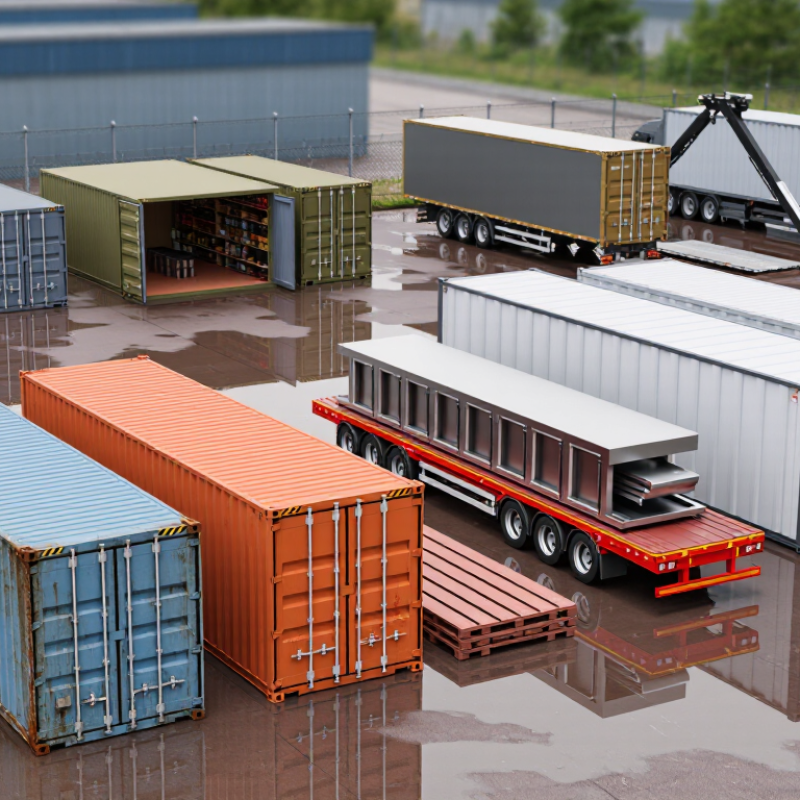
Second-hand containers differ in size, material, and suitability for stored goods. Standard steel units commonly come in 20- or 40-foot lengths. High-cube models offer extra height for bulky items. Half-height containers suit dense materials that need easy access. Side-opening units make loading wide items simpler, while open-top types accommodate tall cargo. Check door clearance before buying.

Refrigerated containers can maintain controlled temperatures, but their cooling systems need careful inspection. Insulated units reduce temperature swings without active cooling. Flat-rack containers suit unusually wide loads, though they provide limited weather protection. Stackable plastic containers work well for smaller items and damp settings. Pallet bins offer sturdy, accessible storage for parts or supplies. Sizes and capacities vary by model and condition.

Tips: Look for rust, floor damage, worn seals, and doors that stick. Ask about previous use and verify internal measurements; external dimensions can mislead. I would not judge a container by appearance alone. A clean exterior can hide leaks, and a minor door problem can become an everyday frustration.

How to Inspect and Select the Right Used Storage Container

Before buying a used storage container, check that its size and door layout suit the items you plan to store. Bring a tape measure, and compare the inside dimensions with your largest boxes or equipment. Look closely. Walk around the exterior in daylight and note dents, rust, patched areas, and gaps around the door seals. Surface marks may be harmless, but holes or soft, corroded sections can let in water. Check the roof from the ground for sagging or visible damage; do not climb onto it.

Open and close both doors several times. They should move without forcing, and the locking bars should turn smoothly. Check the floor. Look for damp patches, soft spots, loose boards, and a musty smell. A dry paper towel pressed against a suspicious area can reveal moisture that is easy to miss.

Ask when the container was last used and stored, and whether repairs were made. Answers may be incomplete, so inspect the unit yourself before agreeing to buy. No quick check catches every hidden problem. If possible, visit after rain or ask for clear photos of the roof and interior. Factor delivery access into your choice, too: a sound container is not useful if a truck cannot place it safely.

ENQUIRE NOW
close
Get In Touch

Use the form below to drop us an email if you have any question or comments.