How to Buy a Conex Container for Global Shipping?
Buying a conex container for global shipping is more than choosing a steel box at the lowest price. You are selecting equipment that must survive ports, cranes, ocean weather, customs inspections, and repeated handling. The wrong purchase can create repair bills, loading delays, or cargo damage before the container reaches its destination.
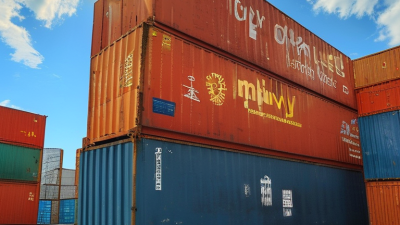
Lars Jensen, founder of Vespucci Maritime, offers a practical reminder: “A container is part of a transport system, not merely a piece of steel.” That perspective shapes this guide. It examines container grades, dimensions, CSC plate requirements, floor condition, door seals, delivery costs, and ownership paperwork. A twenty-foot conex container may look sound from ten meters away, yet hidden corrosion can appear beneath floor edges or around the corner castings. Ask for recent photographs. Inspect the roof, locking bars, hinges, and interior odor. Small details matter.
The buying process is not perfectly predictable. Prices change by region, season, inventory, and repositioning demand. A cheaper unit may also require repainting, welding, or certification checks. That trade-off deserves honest consideration. Your cargo, route, loading method, and final destination should guide the decision. This article’s outline helps buyers compare suppliers, verify condition, estimate total landed cost, and prepare a safer international shipment. It also encourages a second look at assumptions, because a container that fits the budget may not fit the journey.
Define Your Conex Container Requirements and Shipping Objectives
Before buying a Conex container, define what you will ship, where it will go, and how often it will move. Cargo dimensions matter more than estimated volume. Measure the longest item, including packaging, pallets, and handling space. Record total weight and check whether the cargo needs ventilation, insulation, or extra protection. A dry container may suit boxed machinery, while sensitive goods might require a different configuration.
Your shipping objective should be specific. Are you seeking one international delivery, repeated exports, or long-term storage? Confirm the departure and arrival ports, inland transport needs, and expected delivery schedule. Check door openings, floor condition, locking bars, and previous repairs before purchase. In my experience, a small roof leak can become expensive after ocean exposure. It is easy to overlook.
Tips: Create a simple requirement sheet. Include internal dimensions, maximum cargo weight, container condition, route, budget, and delivery deadline. Ask an independent inspector to photograph the roof, flooring, seals, and corner posts. Verify required transport documents with a qualified freight forwarder and relevant authorities. Conditions change. Allow extra time for inspections, port handling, and weather-related delays. A perfect plan is rare. Recheck your assumptions before payment.
Compare Container Types, Sizes, Conditions, and Available Features
When buying a conex container for global shipping, compare its intended use before comparing price.
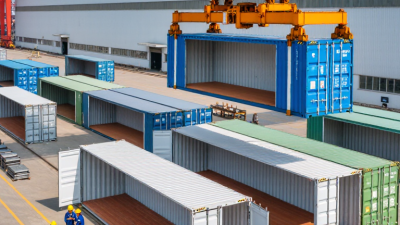
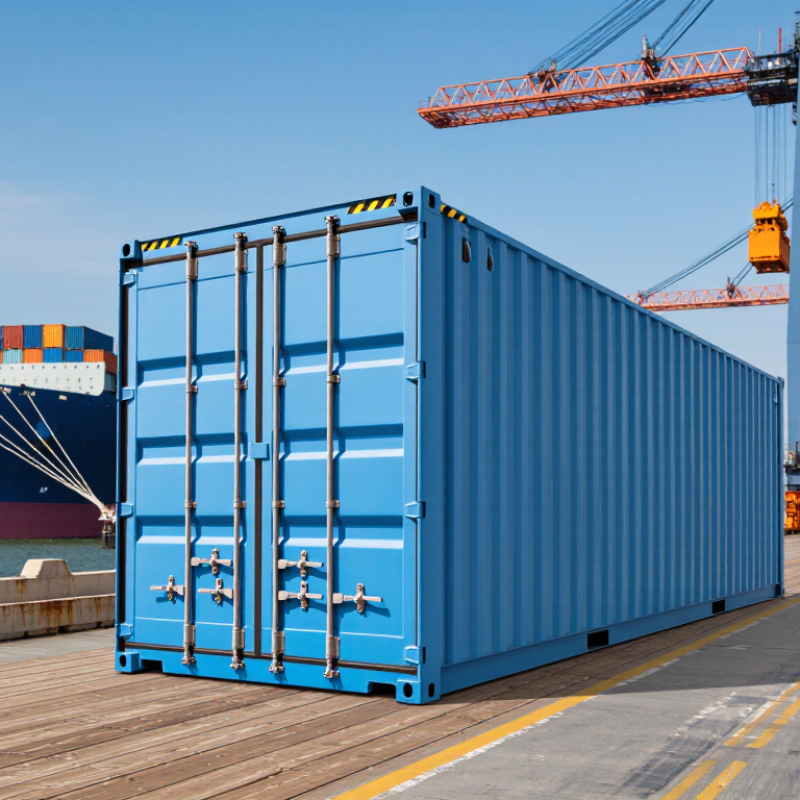
A standard 20-foot container works well for dense cargo, machinery, or smaller shipments. A 40-foot unit provides nearly twice the floor length. A 40-foot high-cube model adds about one foot of interior height. That extra space helps with tall pallets, but it may affect inland transport clearance.
Container condition deserves careful inspection.
New, or one-trip, units usually have cleaner floors, tighter doors, and fewer repairs. Used wind-and-watertight units cost less, yet may show surface rust, dents, or patched flooring. Cargo-worthy units should have sound doors, corner posts, and a valid inspection plate. Check the roof from inside during daylight. Small bright spots can reveal pinholes. Do not trust fresh paint alone. It can hide rushed repairs.
Available features should match the cargo and route.
Useful options include lockable door handles, ventilation openings, plywood floors, shelving, and interior tie-down points. Desiccant equipment can reduce condensation on long ocean voyages. Confirm the container’s external dimensions, gross weight rating, and lifting points with the carrier. Measure the cargo twice, including packaging.
I once saw a shipment fail because the crates fit the floor but blocked the doors. That mistake was avoidable, and expensive.
Ask for recent photos, inspection records, and a written condition report before payment. Availability and local transport costs can change the real price dramatically.
Verify Seller Credentials, Container Quality, and Purchase Documents
How to Buy a Conex Container for Global Shipping?
Global shipping carries more than 80% of world merchandise trade by volume, according to UNCTAD’s Review of Maritime Transport 2024. That scale makes seller verification essential. Request the seller’s registered business details, physical address, tax information, and recent trade references. The payment account should match the legal seller’s name. A rushed bank transfer is a warning sign.
Ask for the container’s identification number, build year, size, tare weight, and maximum payload. Check the CSC safety plate and compare its details with the seller’s documents. ISO 668 provides standard container dimensions, but standards do not confirm good condition. Inspect door seals, locking bars, floorboards, corner castings, and roof panels. Look inside during daylight. A clean photograph proves very little. An independent inspection is safer, especially when corrosion appears near welds or the door frame.
Your purchase file should include a signed invoice, bill of sale, inspection report, ownership evidence, delivery terms, and release instructions. Confirm whether transport, terminal charges, taxes, and insurance are included. The World Bank’s Logistics Performance Index 2023 shows that customs, infrastructure, and shipment reliability strongly affect logistics performance. Small document errors can therefore create expensive delays. I would still leave room for doubt: inspection reports can miss hidden floor damage, and “wind and watertight” may describe a recent repair, not a perfect container.
Calculate Purchase Costs, Delivery Fees, Taxes, and Shipping Charges
How to Buy a Conex Container for Global Shipping?
Calculate Purchase Costs, Delivery Fees, Taxes, and Shipping Charges
Buying a conex container starts with the purchase price, but that is only one part of the budget. A new unit usually costs more than a used one. Condition matters. Check the doors, floor, roof, corner posts, and safety plate before paying. Ask for recent photos and a physical inspection report. A low price can hide expensive repairs.
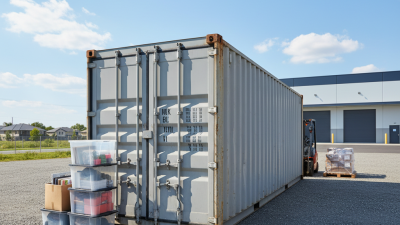
Delivery fees depend on distance, access, and handling equipment. Local transport may include trucking, fuel surcharges, chassis fees, and crane service. Narrow roads or limited unloading space can increase the cost. Storage charges may begin if the site is not ready. Measure the entrance carefully. I have seen estimates fail because the truck could not reach the planned unloading point.
Taxes and shipping charges vary by origin, destination, container size, and customs classification. Budget for import duty, value-added tax, port handling, documentation, customs clearance, and ocean freight. Marine cargo insurance may be sensible for long voyages. Request a written quote showing every charge and its currency. Add a contingency of 10% to 15% for exchange-rate changes or port delays. My first estimate was too optimistic because it excluded destination handling. Recheck the total before signing.
Arrange Transportation, Customs Clearance, and Final Container Delivery
Buying a conex container for global shipping involves more than choosing a size and paying the seller. Confirm the container’s external dimensions, internal condition, door seals, flooring, and CSC safety plate. Request dated inspection photos. Rust is common, but damaged corner posts can create serious transport problems. A lower price may hide repair costs.
Arrange transportation before the purchase is complete. Confirm the pickup address, loading method, container weight, chassis requirements, and delivery window with a qualified carrier. The route may include rail, truck, and ocean freight. Each transfer needs accurate booking details. Small errors can cause storage fees or missed vessel connections. My initial transport estimate is rarely perfect, so I leave time and budget for delays.
Customs clearance requires consistent information across the invoice, packing list, bill of lading, and container details. Check the destination country’s import rules before loading the unit. Duties, taxes, permits, and inspection charges vary by location. A licensed customs professional can review the paperwork and explain local requirements. Do not guess.
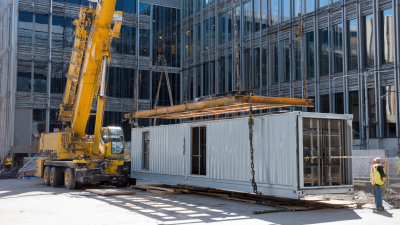
Final delivery also needs practical planning. Measure the entrance, road width, turning space, ground strength, and unloading area. Keep the site clear before the truck arrives. Ask whether a crane, tilt-bed trailer, or other equipment is necessary. Delivery instructions should be written and confirmed. A plan can still fail when weather changes or access is blocked. That possibility deserves attention.