As global trade continues to expand, the demand for sea containers remains vital. China is a key player in this industry, providing a significant portion of the world's sea container supply. Many international buyers rely on Chinese suppliers, given their competitive pricing and diverse options.
Understanding the top sea container suppliers in China is crucial for effective logistics management. Buyers should not only consider price but also the reliability and reputation of suppliers. Factors like production capacity, delivery timelines, and customer service are essential. Each supplier offers unique benefits, yet challenges can arise.
Navigating this landscape requires careful analysis. Buyers must reflect on their specific needs and potential trade-offs. The quest for the best sea container supplier can reveal valuable insights, helping businesses optimize their shipping strategies. The journey may be complex, but with informed choices, buyers can achieve success in international shipping.
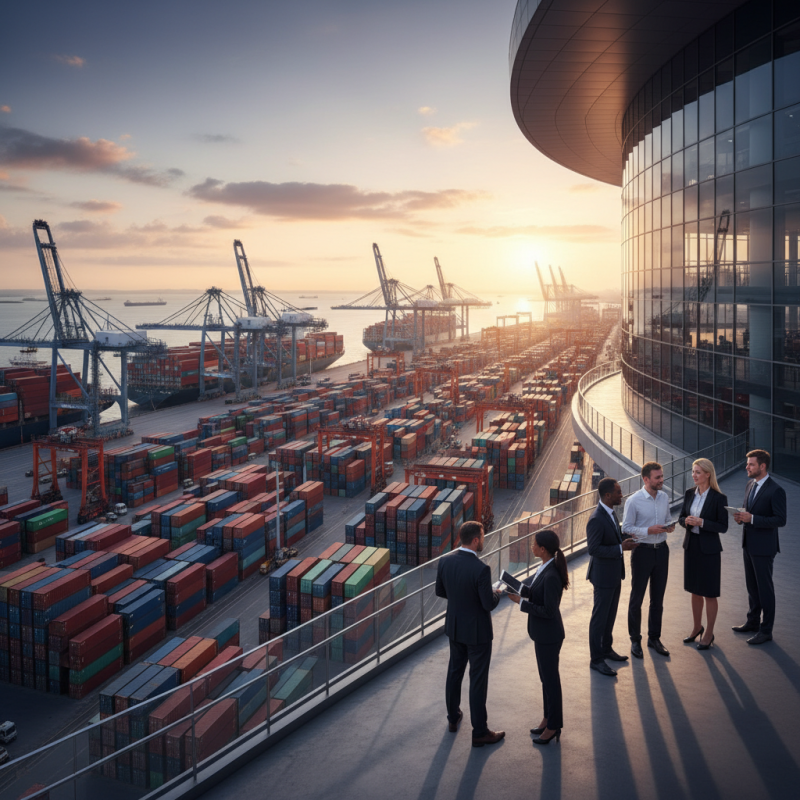
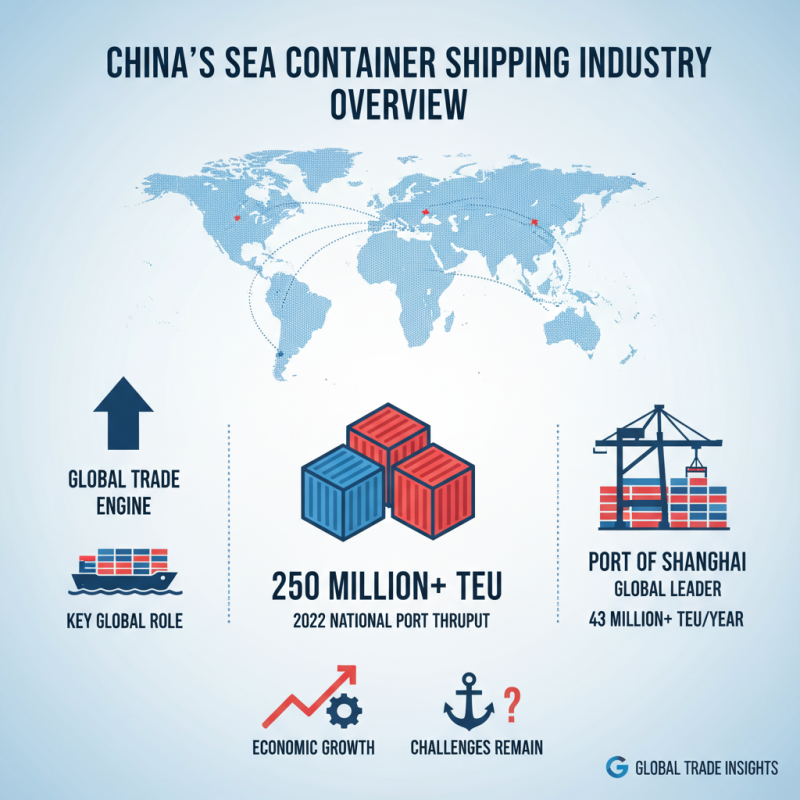
China's sea container shipping industry plays a vital role in global trade. In 2022, China's container ports processed over 250 million TEUs, highlighting their significant capacity. The Port of Shanghai, as one of the busiest globally, showcases China's logistical power, with an annual throughput exceeding 43 million TEUs. This efficiency has helped China's economy, although challenges persist.
The industry remains competitive, driven by innovative technology and sustainable practices. Digitalization in logistics is improving shipment tracking and management. Additionally, as environmental regulations tighten, many companies are investing in eco-friendly containers. A report by the International Maritime Organization indicates that shipping accounts for about 2-3% of global greenhouse gas emissions. This ongoing shift demands a careful balance between growth and sustainability.
Yet, not all indicators are positive. The recent supply chain disruptions have revealed underlying vulnerabilities in the industry. A significant drop in demand during the pandemic had a ripple effect on container shipping rates. Stakeholders often face varying tariffs and compliance challenges, which can obscure profit margins. These reflections highlight the need for adaptable strategies in a rapidly changing environment.
China has become a key hub for sea container supply, playing a critical role in the global shipping industry. The landscape is vibrant, with numerous players competing for market share. Many companies are involved in manufacturing, distributing, and leasing containers. Each has unique offerings catering to various shipping needs, from standard containers to specialized options.
Buyers should assess the reliability of potential suppliers. Consider their production capacity and delivery timelines. Quality control is crucial, as containers face handling and environmental challenges. Check certifications and industry standards they adhere to.
Tips for choosing suppliers: Evaluate their experience and customer feedback. A firm with a long-standing reputation often has proven capabilities. Always ask about after-sales support. Navigating this market can be complex. It's essential to weigh options carefully and stay informed about market trends. Keep in mind that not every supplier may meet your expectations. Trust your instincts and ensure the partnership aligns with your operational needs.
When examining the sea container supplier landscape, Chinese companies dominate the global market. In recent years, China's share of the global sea container market has surged, with estimates indicating it could reach over 50% by 2025. The vast production capabilities and cost-effective manufacturing processes in China contribute significantly to this growth.
A recent report highlighted that Chinese suppliers produced around 1.6 million twenty-foot equivalent units (TEUs) in 2022 alone. This is a remarkable number, showcasing their ability to meet global demand. However, the quality of the containers varies. Some manufacturers have faced scrutiny for subpar materials. This inconsistency can affect shipping timelines and cause disruptions for buyers.
Another key factor is sustainability. Reports show that a majority of Chinese suppliers are transitioning toward environmentally friendly practices. However, the pace of change raises questions. Are these measures sufficient to meet international standards? Buyers must consider these aspects when selecting suppliers. It's essential to evaluate not just price, but also reliability and environmental impact. The landscape is complex, and cautious analysis is necessary for informed decisions.
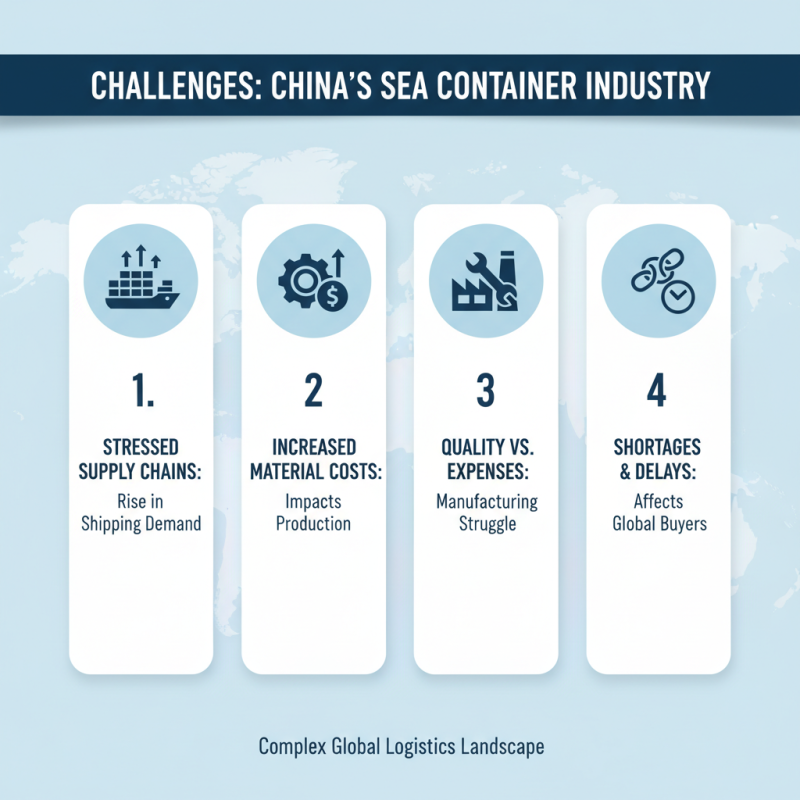
China’s sea container industry faces numerous challenges amid a complex global logistics landscape. The rise in shipping demand has stressed supply chains. Increased costs of materials impact production. Manufacturers struggle to maintain quality while managing expenses. Container shortages and delays are common. This affects global buyers relying on swift deliveries.
Moreover, environmental regulations are tightening. Companies must adapt to greener practices. This shift can be costly and time-consuming. Many firms lack the resources to invest in sustainable technologies. Competition is fierce. Domestic and international rivals constantly emerge, making it difficult for companies to stand out.
Market volatility adds another layer of complexity. Container prices fluctuate dramatically. Companies must react quickly to changes. The uncertainty in global trade policies creates additional risks. A balance between efficiency and sustainability remains elusive. Companies are in a constant state of reflection, seeking better strategies to navigate these challenges.
As global shipping continues to evolve, China's role is becoming increasingly significant. The rise of digital technologies has transformed how companies manage and track shipping operations. Real-time data analytics and automated systems are creating efficiencies previously thought impossible. Yet, with progress comes challenges. Not every supplier adapts equally well to these innovations.
Concerns about sustainability are growing. As environmental regulations tighten, the shipping industry must tackle its carbon footprint. Some firms are investing in greener technologies. Others struggle to keep up, creating a gap in capability. Adjusting to these changes may require significant resource allocation and expertise that not every player has.
Geopolitical tensions also impact shipping routes and costs. Changes in trade agreements can alter supply chain strategies overnight. Companies may need to rethink their partnerships and logistics. The landscape is complex and ever-changing. Embracing these shifts offers opportunities, but only for those prepared to adapt.
| Supplier Type | Annual Capacity (TEU) | Market Share (%) | Main Shipping Routes | Sustainability Initiatives |
|---|---|---|---|---|
| Top Container Line | 25 million | 15% | Asia-Europe, Transpacific | Carbon-neutral operations by 2030 |
| Medium-Sized Carrier | 10 million | 8% | Southeast Asia to Europe | Investing in LNG-powered fleet |
| Regional Player | 5 million | 3% | Domestic routes | Recycling and waste reduction programs |
| Emerging Carrier | 1 million | 1% | Intra-Asia | Focus on eco-friendly practices |
Are you still planning to build your shipping container home this year? How about you could save up to $5,000 in delivery costs towards your project?
With the Tiny Home Expos in Brisbane, Adelaide and Canberra in the coming months, we are offering FREE DELIVERY (*up to $5000) to each state the Expo is in, in exchange with using your project as a display at the show. Offer expires 8 weeks before each Expo and limited to ONE project per Expo ONLY so reach out to us now to secure your spot!
Enquire Now