Top Conex Box Manufacturers in China for Global Buyers?

Selecting reliable conex box manufacturers in China requires more than comparing online prices. Global buyers need evidence of production capability, quality control, export experience, and responsive communication. A factory may show impressive photographs, but photographs cannot confirm steel thickness, weld penetration, or weather resistance. These details become visible when a unit stands outdoors through rain, heat, and repeated handling.

This guide introduces practical points for evaluating Chinese manufacturers. It considers factory audits, product customization, material specifications, lead times, packaging, and inspection procedures. Buyers should examine corner castings, door seals, floor strength, locking bars, ventilation, and paint quality. A sample inspection can reveal uneven welds, sharp edges, or gaps around the gasket. Small defects often become expensive problems later.

Documentation also matters. Reliable suppliers should provide clear drawings, material information, inspection records, and shipping details. Where transport regulations apply, buyers must verify current requirements with carriers and competent authorities. International experience is useful, but it should be supported by traceable orders and realistic references. A supplier’s communication style offers clues, too. Delayed answers may signal deeper coordination issues.

No manufacturer is perfect. That deserves honest attention. Even an experienced factory may misunderstand a drawing or miss a finishing detail. Clear specifications, pre-shipment inspections, and written approval points reduce that risk. The goal is not simply to locate the cheapest conex box. It is to find a dependable manufacturing partner that can deliver consistent units, accurate documents, and practical after-sales support across borders.
Top Conex Box Manufacturers in China for Global Buyers?

What Is a Conex Box and Why Source It from China?

A conex box is a reusable steel cargo container designed for secure transport and storage. The term comes from “Container Express,” a military logistics system. Today, many conex boxes follow ISO dimensions and use corrugated steel walls, reinforced corner posts, and lockable double doors. Common sizes include 20-foot and 40-foot units. They can hold machinery, building materials, tools, and temporary storage supplies.

China is a practical sourcing option because its steel-processing industry supports large-scale production and flexible customization. Buyers can request different colors, floor materials, ventilation openings, insulation, or side doors. Manufacturing near major ports may also simplify international shipping. However, a low quotation does not prove good value. Check welding quality, door alignment, rubber seals, floor strength, paint coverage, and corrosion protection. Product photos can hide important defects. A written specification is safer.

Tips: Define the box’s purpose before requesting prices. Ask for material grades, dimensions, loading capacity, and inspection records. Verify whether the quoted price includes packaging, inland delivery, and export handling. An independent pre-shipment inspection can reveal problems early. Even experienced buyers miss small details, especially drainage and door sealing. I would not trust promises without measurable standards. A rushed order can become expensive.
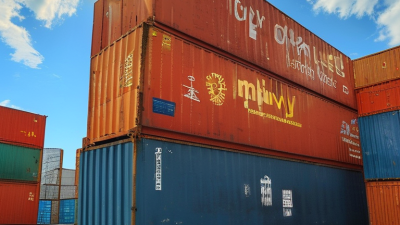

How to Assess Conex Box Manufacturers in China

Top Conex Box Manufacturers in China for Global Buyers?

Assessing Conex box manufacturers requires more than comparing catalog prices. A polished website proves little. Visit the factory virtually or in person, and request recent production photos. Look closely at corner castings, weld lines, door seals, floor joints, and paint coverage. Uneven welds or thin coating may create expensive problems after ocean transport.

Ask for steel grades, dimensional tolerances, coating thickness, load-test records, and inspection procedures. Reliable manufacturers should provide traceable batch numbers and clear documentation. Verify certificates with the issuing organization, rather than accepting scanned files without questions. An independent pre-shipment inspection can check dimensions, door operation, leakage resistance, and visible damage. It costs extra. It may prevent a larger loss.

Communication also reveals manufacturing discipline. Send a drawing with exact dimensions, ventilation needs, locking details, and delivery terms. The supplier should confirm every requirement in writing. Request a sample unit when the order is large or customized. Small misunderstandings can become repeated defects across hundreds of boxes. Some buyers focus too heavily on the lowest quotation; that approach often ignores steel thickness, packing methods, and after-sales support. Even experienced purchasers can miss a detail. Keep a comparison sheet, record unanswered questions, and allow time for a second technical review. A dependable supplier should welcome practical scrutiny, not pressure you to approve quickly.

How to Assess Conex Box Manufacturers in China

This chart uses nominal external dimensions for standard dry freight containers under ISO 668:2020. Global buyers can compare supplier drawings and inspection results with these reference values before reviewing steel grade, weld quality, door performance, floor load capacity, corrosion protection, and CSC certification.

Reference dimensions are shown in millimetres. Actual production dimensions may vary within applicable ISO tolerances.

Leading Conex Box Manufacturers for Global Buyers

Leading Conex Box Manufacturers for Global Buyers

Leading Conex box manufacturers in China serve construction, storage, logistics, and emergency housing projects worldwide. Experienced factories usually offer standard containers, modified units, and custom dimensions. Their production lines may include steel cutting, welding, painting, insulation, and final inspection.

A reliable manufacturer should explain steel grades, floor materials, coating systems, and load limits clearly. Ask for recent factory videos, inspection records, and sample measurements. Export experience also matters, especially when containers must meet destination port requirements. Look for consistent welds, sealed doors, smooth locking bars, and flooring without soft spots. These details reflect practical quality, not polished advertising.

No supplier is perfect. Even a capable factory may experience delays during busy seasons.

Tips: Request a detailed specification sheet before payment. Confirm material thickness, paint layers, packing methods, and warranty terms in writing.

Compare production photos with the finished unit, not only catalog images. Independent inspection can reveal uneven frames or water leakage. A small test order is often wiser than a large first purchase. Also check communication speed, because unclear answers may create costly changes later. Pricing deserves attention, but the lowest quote can hide thinner steel, weaker hardware, or limited after-sales support.

Products, Certifications, and Customization Options

Top Conex Box Manufacturers in China for Global Buyers?

China’s experienced Conex box manufacturers supply new, refurbished, and flat-pack units for construction, storage, and transport. Common products include 20-foot and 40-foot containers, high-cube models, open-top units, and modified site offices. The UNCTAD Review of Maritime Transport reports that over 80% of global merchandise trade by volume moves by sea. That scale makes container quality and interchangeability essential.

Certifications require careful checking. Buyers should request CSC safety approval, ISO 668 dimensional compliance, ISO 1496-1 structural test records, and ISO 1161 corner fitting specifications. Certificates should match the unit number and production batch. A certificate alone is not proof. Inspect welds, door seals, floor condition, locking rods, and corrosion around the corner posts. A third-party inspection before shipment can reduce disputes, although it adds time and cost. The World Bank’s Logistics Performance Index highlights reliability as a key logistics factor, not just transport speed.

Customization may include marine-grade plywood floors, galvanized components, ventilation, insulation, electrical wiring, shelving, paint systems, and side doors. Manufacturers can also adjust dimensions for regional transport rules and lifting equipment. Request drawings before production. Confirm steel thickness, coating method, load rating, and drainage details in writing. In practice, small omissions matter. A misplaced outlet or weak hinge can create expensive site problems. Some suppliers promise short lead times, but customization, inspections, and export documentation can extend schedules. That delay deserves honest planning.

Top Conex Box Manufacturers in China for Global Buyers? - Products, Certifications, and Customization Options
Supplier Profile Main Conex Box Products Typical Sizes Construction & Materials Common Certifications & Compliance Customization Options Typical MOQ Typical Lead Time Export Suitability
Profile 01 Dry Freight Containers Storage Containers 20 ft standard
40 ft standard
40 ft high cube
Weathering steel body, corrugated panels, marine plywood floor, steel locking bars CSC safety approval available for international transport; ISO 9001 manufacturing system commonly offered Side doors, personnel doors, ventilation, windows, shelving, electrical wiring, paint color 1 unit for standard models; 5–10 units for modifications 15–30 days after approved drawings Suitable for ocean freight, inland transport, and long-term storage
Profile 02 One-Trip Containers New Production Boxes 20 ft standard
40 ft standard
40 ft high cube
New or near-new corten steel panels, factory-fitted locking gear, plywood or bamboo flooring CSC plate typically available; material and coating documentation can be supplied for buyer review Custom RAL color, logo-free exterior, lockboxes, additional vents, floor upgrades, door configuration 1–5 units, depending on configuration 20–35 days after order confirmation Good choice for demanding export routes and clean storage applications
Profile 03 Modified Containers Site Offices 10 ft, 20 ft, and 40 ft modules Steel container frame with insulated sandwich panels, internal lining, flooring, and service openings ISO 9001 commonly available; electrical installations should be checked against the destination-country code Insulation thickness, windows, doors, HVAC openings, lighting, sockets, partitions, flooring, plumbing 1 customized unit for project orders 30–60 days, depending on engineering scope Best for construction sites, temporary offices, and remote facilities
Profile 04 Open-Side Containers Double-Door Containers 20 ft and 40 ft
Standard and high cube options
Reinforced steel frame, hinged or removable side panels, marine-grade floor system CSC certification may be available for transportable units; welding and dimensional inspection records are commonly provided Full-side opening, extra cargo doors, forklift pockets, internal tie-downs, ramps, lockboxes 1–3 units for standard special types 25–45 days after technical approval Useful for oversized cargo, machinery access, and event logistics
Profile 05 Refrigerated Containers Cold Storage Units 20 ft reefer
40 ft high cube reefer
Insulated stainless-steel interior, aluminum or coated exterior, refrigeration machinery, T-floor CSC approval for qualifying units; refrigeration electrical specifications must match the destination power supply Temperature range, data logger, remote monitoring, ramp, shelving, alarm system, power-cable options 1 unit for available stock; 3–5 units for custom work 30–75 days for new or extensively refurbished units Designed for temperature-controlled cargo and stationary cold storage
Profile 06 Flat Rack Containers Heavy-Load Units 20 ft and 40 ft
Fixed-end or collapsible-end types
Reinforced corner posts, heavy-duty base frame, hardwood or engineered cargo deck CSC approval is normally required for seaborne use; load testing and lifting-point inspection are important Lashing rings, removable end walls, extra securing points, custom payload reinforcement 1–2 units for standard designs 30–60 days, depending on load requirements Suitable for machinery, steel products, vehicles, and oversized cargo
Profile 07 Hazardous-Goods Units Chemical Storage Boxes 10 ft, 20 ft, and 40 ft configurations Steel enclosure, spill-containment floor, ventilation system, bunded base, lockable access Design must be reviewed against applicable ADR, IMDG, local fire, and chemical-storage requirements Sump capacity, ventilation, fire-rated components, shelving, lighting, alarm, access control 1 customized unit for project orders 35–70 days after compliance review Appropriate for regulated storage when approved for the destination market
Profile 08 Flat-Pack Containers Modular Units Commonly 20 ft modules; expandable layouts available Galvanized or painted steel frame, insulated wall panels, bolted connections, composite flooring ISO 9001 may be available; structural, fire, and electrical compliance depends on the project location Knock-down packing, room layouts, insulation, windows, doors, plumbing, electrics, sanitary fittings 1 unit or 1 module pack 20–45 days for standard modules Efficient for containerized shipping, accommodation, offices, and rapid deployment
Buyer note: Specifications, certifications, minimum order quantities, and lead times vary by production batch and destination market. Buyers should request current drawings, CSC documentation where applicable, material declarations, inspection records, and destination-country compliance documents before placing an order.

How to Choose and Import from the Right Supplier

Choosing among top conex box manufacturers in China requires more than comparing factory prices. UNCTAD’s Review of Maritime Transport 2023 reports that ships carry over 80% of global merchandise trade by volume. This scale makes container quality, documentation, and delivery reliability commercially important. Request recent production photos, steel specifications, weld inspection records, and a valid CSC safety approval plate for international transport. Factory visits or independent inspections can reveal uneven flooring, poor door seals, and rushed repainting.

Experience matters here. Ask whether the supplier has handled your destination port, required dimensions, payload, and unloading equipment. The World Bank’s Logistics Performance Index 2023 evaluates customs, infrastructure, shipment arrangements, logistics competence, tracking, and timeliness. These factors should shape your supplier scorecard. Confirm container numbers, inspection points, packing methods, export documents, and responsibility under the chosen Incoterm. Keep every requirement in a signed specification sheet.

A low quote can hide risk.

Compare total landed cost, not unit price. Include inland transport, port charges, insurance, duties, inspection fees, and possible storage. I would not rely on polished catalog images alone; that is an easy mistake. A pre-shipment inspection remains useful, although it cannot replace a careful contract. Payment milestones should match measurable production stages. Also check after-sales response times, spare-part access, and claim procedures before transferring funds. Supplier records, test evidence, and clear communication provide stronger assurance than sales promises.

ENQUIRE NOW
close
Get In Touch

Use the form below to drop us an email if you have any question or comments.