What Is a 40ft Shipping Container?

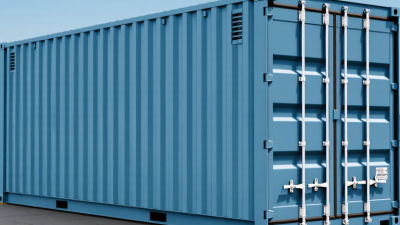
A 40ft shipping container is a standardized steel unit built to move cargo between ships, trains, and trucks. Its familiar corrugated walls, corner castings, and double doors are designed for handling as well as storage. The name describes its nominal length; actual dimensions and usable capacity can vary by container type and manufacturer. Small differences matter when a shipment must fit tightly.

Malcolm McLean, the American transport entrepreneur whose work helped advance container shipping, is often associated with the idea of moving goods in containers rather than handling cargo piece by piece. I can’t verify a direct quotation from him specifically about the 40ft shipping container, so presenting one as his exact words would be misleading. That distinction deserves care. A useful introduction should explain what the container is, how its dimensions affect loading, and where its limits appear in everyday use.

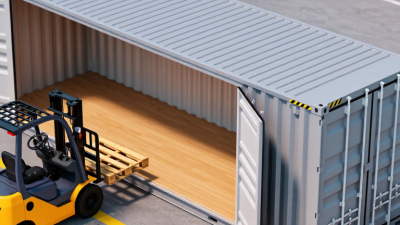
For example, a pallet may fit through the doors yet still be awkward to position near the far end. The container is practical, not magical. Its capacity depends on the cargo, packing method, and the unit’s condition.
What Is a 40ft Shipping Container?

Definition and Basic Purpose of a 40ft Shipping Container

What Is a 40ft Shipping Container?

Definition and Basic Purpose of a 40ft Shipping Container

A 40-foot shipping container is a reusable steel unit designed to carry and protect cargo during transport. The name refers to its approximate external length, not its usable interior space. ISO 668 specifies standard dimensions: about 12.19 metres long, 2.44 metres wide, and 2.59 metres high. Internal measurements vary with wall thickness, flooring, and fittings. A standard 40-foot container is commonly counted as two twenty-foot equivalent units, or TEU. The label can be a little misleading.

Its basic purpose is to keep goods in one secure, standardized load unit as they move between ships, trucks, and trains. Corner fittings allow lifting and stacking, while the enclosed steel walls help shield cargo from weather and handling damage.

UNCTAD’s Review of Maritime Transport 2024 reported 858.9 million TEU in global container-port throughput in 2023, illustrating the scale of standardized container movement. That scale depends on consistent dimensions. Yet a container’s rated capacity is not the same as practical loading capacity: cargo weight, shape, and weight distribution all matter. A tape measure and a careful loading plan still matter.

Standard Dimensions, Weight, and Internal Capacity

What Is a 40ft Shipping Container?

Standard Dimensions, Weight, and Internal Capacity

A standard 40ft dry container measures about 40 feet long, 8 feet wide, and 8 feet 6 inches high externally. Inside, it is roughly 39 feet 5 inches long, 7 feet 8 inches wide, and 7 feet 9 inches high. Exact measurements vary slightly by manufacturer and container age. That difference matters when checking whether bulky cargo will fit through the doors.

Its internal capacity is typically around 2,350 to 2,390 cubic feet, or about 67 cubic metres. This is a volume estimate, not a promise that every corner is usable. A single figure can mislead. Door openings, packaging, and gaps between items reduce practical loading space. The empty container, or tare weight, commonly falls near 8,000 to 8,800 pounds (3,600 to 4,000 kilograms). Maximum payload often sits around 58,000 to 59,000 pounds, but the container’s rating plate gives the dependable limit. Not quite the same on every unit. Check the plate and measure the cargo before planning a tight fit.

What Is a 40ft Shipping Container? — Standard Dimensions, Weight, and Internal Capacity

Specification Typical Standard-Dry Value Notes
Container type 40-foot standard dry container Enclosed, general-purpose container for cargo that does not require temperature control.
External length 12.192 m (40 ft) Nominal outside length.
External width 2.438 m (8 ft) Nominal outside width.
External height 2.591 m (8 ft 6 in) Standard height; a high-cube container is taller.
Internal length About 12.03 m (39 ft 6 in) Usable interior length can vary slightly by construction.
Internal width About 2.35 m (7 ft 8 in) Measured between the interior side walls.
Internal height About 2.39 m (7 ft 10 in) Measured from the floor to the interior ceiling.
Door opening (width × height) About 2.34 m × 2.28 m (7 ft 8 in × 7 ft 6 in) Check the specific unit when cargo dimensions are close to the opening limits.
Internal volume About 67.7 m³ (2,390 ft³) Approximate geometric capacity; cargo packing and shape affect usable space.
Tare weight About 3,750 kg (8,270 lb) Weight of the empty container; varies by manufacturer and unit.
Maximum gross weight Commonly up to 30,480 kg (67,200 lb) Includes the container and its cargo. Use the rating shown on the container’s data plate.
Approximate maximum payload About 26,730 kg (58,930 lb) Illustrative figure based on a 30,480 kg gross limit and 3,750 kg tare weight; the actual payload depends on the unit’s ratings.

Dimensions and weights are typical reference values for a standard-height 40-foot dry container. Specifications vary between units, so confirm the container’s data plate and measured dimensions before loading or planning transport.

Main Structural Features and Common Materials

What Is a 40ft Shipping Container?

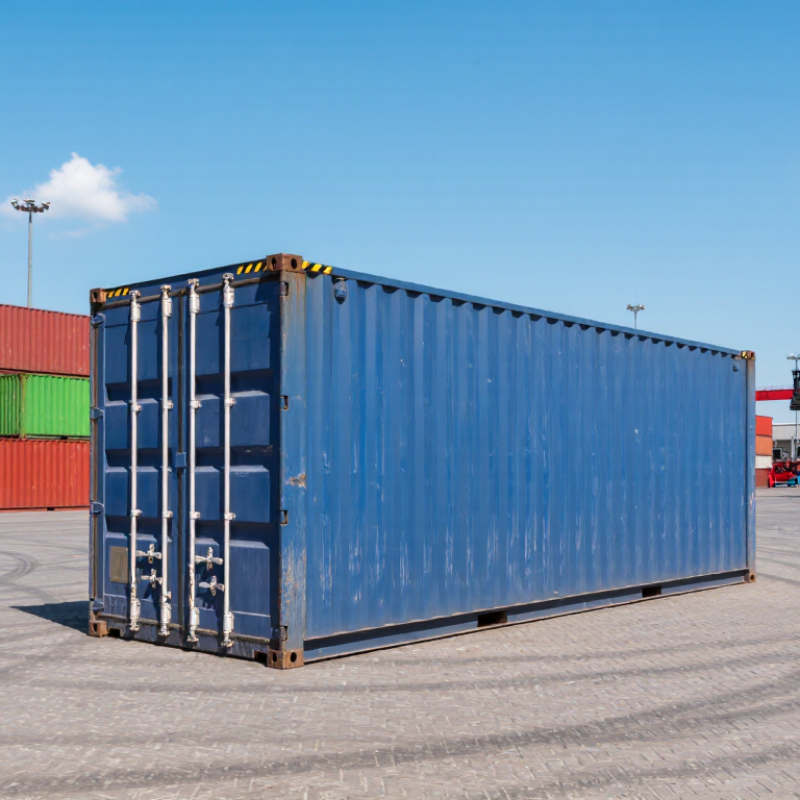
A 40ft shipping container is a long, rigid enclosure built around a steel frame. Its corner posts carry much of the load, while top and bottom rails connect the ends and sides. Corrugated wall panels add stiffness without making each surface solid and heavy. Small details matter.

Most standard units use weathering steel, often called Corten steel, for the frame and outer panels. Its surface develops a protective patina, though coatings and maintenance still matter. The roof is typically formed from steel sheets. At floor level, steel crossmembers support thick plywood panels, commonly marine-grade. The floor may feel firm, but wear, moisture, and repairs can affect its strength.

At one end, heavy doors sit on steel hinges and close with vertical locking bars. Rubber seals help limit rain and dust, but they cannot guarantee a perfectly dry interior. The container’s actual dimensions, materials, and payload vary by design and condition. Check the identification plate and inspect the floor, corner posts, welds, and door seals before use. Not every unit matches.

What Is a 40ft Shipping Container? — Main Structural Features and Common Materials

A standard-height 40ft container is nominally 40 ft long, 8 ft wide, and 8.5 ft high externally. Its structure commonly includes corrugated weathering-steel wall panels, steel corner posts and castings, roof rails, and a floor supported by steel cross-members. The floor is commonly made from laminated plywood or bamboo-based panels. Exact specifications can vary by container.

Types and Uses of 40ft Shipping Containers

A 40ft shipping container is a standardized steel unit used to move and store goods. The standard dry type suits cartons, furniture, and palletized cargo. Its doors open at one end, while corrugated walls and a timber floor protect loads during handling. ISO 668 sets common dimensions: a standard 40ft unit is about 12.19 metres long externally. A high-cube version adds roughly 30 centimetres of height. That extra space can help with bulky, lightweight goods, but it does not increase the container’s permitted payload.

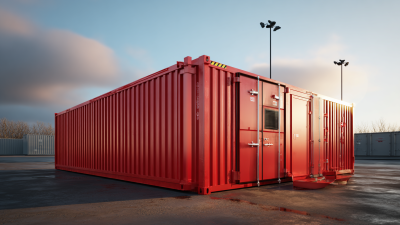
Other types serve more specific needs. Refrigerated containers regulate temperature for produce, dairy, or other sensitive shipments. Open-top units allow cranes to load tall items from above. Flat racks support oversized machinery that cannot fit through standard doors. Not every load fits. A container’s usable capacity depends on its design, condition, and weight limits, so check its data plate before planning a shipment.

UNCTAD’s Review of Maritime Transport 2024 reports that containerized trade grew by 0.3% in 2023. That figure reflects a changing market, not a guarantee of demand for any one container type. For storage, inspect door seals, floors, and signs of corrosion; small gaps can matter in wet weather. For transport, verify dimensions and payload with the supplier. The labels sound straightforward, but real cargo can be awkward.

Loading, Transport, and Safety Considerations

A 40-foot shipping container is a standardized cargo unit, roughly 12.2 metres long externally. Its usable space and payload vary by design, so the door-frame plate—not a generic online figure—should guide loading. Check the floor for cracks, soft spots, and protruding nails before bringing in cargo. Small defects matter.

The IMO/ILO/UNECE CTU Code (2014) recommends distributing cargo evenly and securing it against movement during transport. Place heavy items low, spread their weight, and leave no large gaps where loads can shift. A forklift can make placement look precise, but the final check should be visual and hands-on. Record the packed weight, then provide the verified gross mass required for vessel loading under SOLAS. Never assume the container’s maximum rating is the safe limit for every road, rail, or lifting operation.

At the destination, World Shipping Council data recorded 221 containers lost at sea in 2023, compared with 661 in 2022. Those figures do not identify a single cause, but they underline why sound packing and secure handling matter. Keep doors clear, use rated lashing points, and avoid standing beneath suspended loads. A tidy load is reassuring, not proof of safety. Recheck it.

ENQUIRE NOW
close
Get In Touch

Use the form below to drop us an email if you have any question or comments.