Choosing the right side opening shipping container requires more than comparing prices and exterior paint. A side opening shipping container can improve loading efficiency, but only when its design matches your cargo, site, and handling equipment.
This guide examines practical factors that experienced buyers often check before placing an order. These include door clearance, internal dimensions, floor condition, locking mechanisms, weather seals, ventilation, and corner casting strength. A full-side door may allow forklifts to approach bulky pallets directly. However, it also needs enough operating space beside the container. Measure the site carefully, including nearby walls, fences, ramps, and turning areas.
Details matter.
A reliable supplier should provide clear specifications, manufacturing records, inspection reports, and photographs of the actual unit. Ask whether the container is new, refurbished, or previously used. That difference can affect corrosion, floor wear, and expected service life. Confirm the steel grade, flooring material, door configuration, and available modifications. Independent inspection can reveal problems that online images hide, such as uneven doors or damaged seals.
Cost still matters, but the cheapest option may create extra handling delays. I have seen buyers focus on capacity while overlooking door clearance and ground conditions. That mistake is easy to repeat. Think about delivery access, unloading equipment, future maintenance, and local installation requirements. No single container suits every project. Careful comparison, honest measurements, and professional advice will help you select a side opening shipping container with greater confidence.
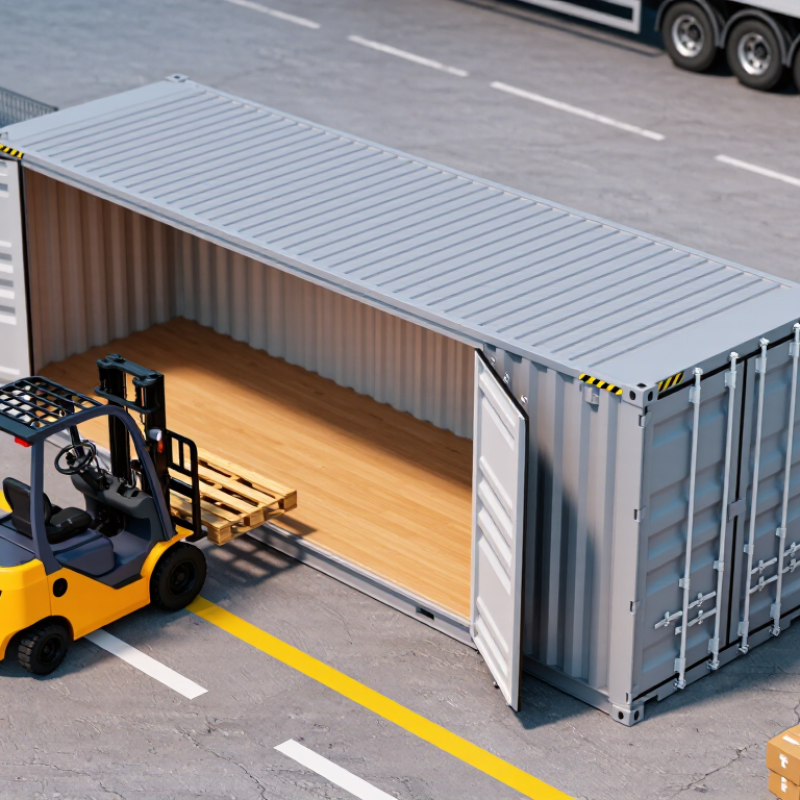
How to Choose a Side Opening Shipping Container?
Define Your Side Opening Container’s Intended Use
Start with the daily task, not the container’s appearance. Will workers load pallets, display equipment, or access stored materials frequently? A side opening container works well when cargo must move through a wide opening without unloading everything from the rear. Measure your largest item, including handles, packaging, and lifting clearance. A few extra centimeters can prevent expensive handling problems.
Consider the working environment carefully. On a busy site, side access may reduce forklift movements and improve visibility. However, open doors need clear ground space and a firm, level surface. Check nearby walls, vehicles, drainage, and overhead obstructions. For tools or temperature-sensitive goods, review lock design, ventilation, insulation, and weather sealing. A container that fits the cargo may still fail the workflow.
Tips: Sketch the loading area before ordering. Mark the door swing, turning radius, and pedestrian paths. Test your heaviest planned load with the equipment available on site. Do not rely only on listed internal dimensions; door frames can reduce usable width. Recheck local placement requirements and supplier specifications. Small oversights matter.
Think beyond today’s inventory. Storage needs change, and side access can become valuable later. Still, choosing a larger unit without a clear plan may create unused space and higher transport costs. Ask staff how often they need access, where cargo will stand, and what protection it requires. Their practical feedback may challenge your first assumption.
| Intended Use | Recommended Container Type | Typical External Size | Approximate Internal Size | Why Side Access Matters | Important Selection Criteria | Practical Notes |
|---|---|---|---|---|---|---|
| Frequent loading and unloading of cartons, pallets, or shelving | 20 ft side opening container | 6.06 m L × 2.44 m W × 2.59 m H | Approximately 5.90 m L × 2.35 m W × 2.39 m H | Provides access along the long side, reducing the need to move items stored near the doors. | Check side-door opening width, locking hardware, floor condition, and forklift access. | Suitable where storage volume is moderate and the site has limited maneuvering space. |
| Large-volume storage with multiple access points | 40 ft side opening container | 12.19 m L × 2.44 m W × 2.59 m H | Approximately 12.03 m L × 2.35 m W × 2.39 m H | Allows long rows of goods to be accessed from the side without unloading the entire container. | Confirm delivery access, foundation length, lifting requirements, and maximum payload. | Offers greater capacity but requires more space for placement and transport. |
| Tall equipment, bulky retail fixtures, or high-volume inventory | 40 ft high-cube side opening container | 12.19 m L × 2.44 m W × 2.90 m H | Approximately 12.03 m L × 2.35 m W × 2.69 m H | The increased internal height provides additional vertical storage while side doors improve item positioning. | Measure the tallest cargo, check overhead clearance, and verify local height restrictions. | High-cube containers generally provide about 30 cm more external height than standard-height units. |
| Construction materials, pipes, timber, and long components | 20 ft or 40 ft side opening container, based on cargo length | 6.06 m or 12.19 m long × 2.44 m wide | Approximately 5.90 m or 12.03 m internal length | Long side openings make it easier to place and remove lengthy materials using forklifts or lifting equipment. | Review floor load limits, cargo restraint points, door clearance, and weight distribution. | Use suitable dunnage and restraints to prevent shifting during handling and transport. |
| Trade shows, pop-up retail, exhibitions, and temporary venues | 20 ft side opening container | 6.06 m L × 2.44 m W × 2.59 m H | Approximately 5.90 m L × 2.35 m W × 2.39 m H | The side opening can function as a wide service, display, or customer-facing entrance. | Consider weather seals, surface finish, electrical installation, lighting, and public-safety requirements. | Any conversion work should be designed and installed by qualified professionals. |
| Workshop, tool storage, or mobile maintenance facility | 20 ft high-cube or standard-height side opening container | 6.06 m L × 2.44 m W × 2.59–2.90 m H | Approximately 5.90 m L × 2.35 m W × 2.39–2.69 m H | Side access simplifies movement of workbenches, tools, generators, and replacement parts. | Plan ventilation, lighting, insulation, electrical protection, fire safety, and secure storage. | Do not use a sealed container as an occupied workspace without appropriate modifications and approvals. |
| Agricultural supplies, packaged goods, or seasonal inventory | 20 ft side opening container for smaller sites; 40 ft for higher volume | 6.06 m or 12.19 m long × 2.44 m wide | Approximately 5.90 m or 12.03 m internal length | Side loading supports quick stock rotation and allows goods to be organized by product category. | Check ventilation, moisture control, pest prevention, floor strength, and separation from chemicals. | Use pallets or raised storage to improve air circulation and reduce contact with condensation. |
| Temperature-sensitive or moisture-sensitive goods | Insulated or refrigerated side-access unit, subject to cargo requirements | Size varies by equipment and configuration | Usable space is reduced by insulation and cooling equipment | Wide side access enables faster loading, reducing the time that doors remain open. | Define required temperature range, power supply, monitoring, drainage, door seals, and backup procedures. | A standard dry container does not provide controlled temperature or humidity. |
| High-value inventory requiring controlled access | Side opening container with reinforced locking and access-control features | Usually 20 ft or 40 ft standard-height configuration | Depends on the selected container size | Side access can shorten handling time while allowing separate zones for receiving and dispatch. | Inspect door alignment, lock rods, hinges, roof condition, tamper protection, lighting, and site security. | Use a level foundation and a separate external security plan; container locks alone are not a complete security system. |
| Short-term or occasional storage | Used 20 ft side opening container in verified condition | 6.06 m L × 2.44 m W × 2.59 m H | Approximately 5.90 m L × 2.35 m W × 2.39 m H | Side access provides convenient retrieval without reorganizing all stored items. | Inspect for corrosion, water ingress, odor, damaged flooring, door operation, and valid CSC-related requirements when applicable. | Condition can vary considerably; inspect the actual unit rather than relying only on photographs. |
| Sites with restricted delivery or placement space | The smallest unit that meets the cargo volume, commonly 20 ft | Approximately 6.06 m L × 2.44 m W × 2.59 m H | Approximately 5.90 m L × 2.35 m W × 2.39 m H | Side doors can reduce handling space needed at the container end. | Measure the access road, turning radius, overhead cables, gate width, ground bearing capacity, and unloading zone. | Transport equipment may require additional clearance beyond the container’s physical dimensions. |



Use the form below to drop us an email if you have any question or comments.