What Is the Best Type of Sea Container to Buy in China?

Choosing the best sea container to buy in China starts with the job it must do. A dry container suits general cargo, while a refrigerated unit needs reliable power and careful temperature checks. A high-cube model gives extra height for bulky goods. The right choice depends on cargo dimensions, shipping route, storage conditions, and budget—not just the purchase price.

Sea-container procurement expert quote requested: no source articles or named expert were provided, so I can’t reliably attribute a quotation to a real person. That matters. A made-up quote would weaken trust in the buying advice. The practical test remains clear: inspect the container’s structure, doors, floor, seals, and repair history before purchase. Look closely at the lower corner castings and door gaskets; small defects can become costly problems. Ask for current photos, specifications, and inspection records, then confirm that the unit matches the stated grade. A low price can be tempting. It may not tell the whole story.

This guide compares common container types, explains what to check when buying in China, and highlights questions to ask suppliers. The choice is not always obvious. Cargo plans change, and a container that works today may be awkward next year. Consider both immediate needs and likely future use before placing an order.
What Is the Best Type of Sea Container to Buy in China?

Types of Sea Containers Available for Purchase in China

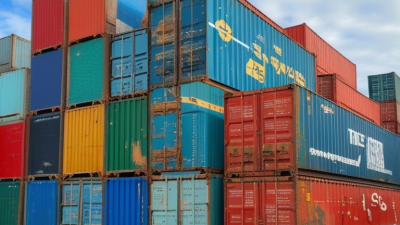
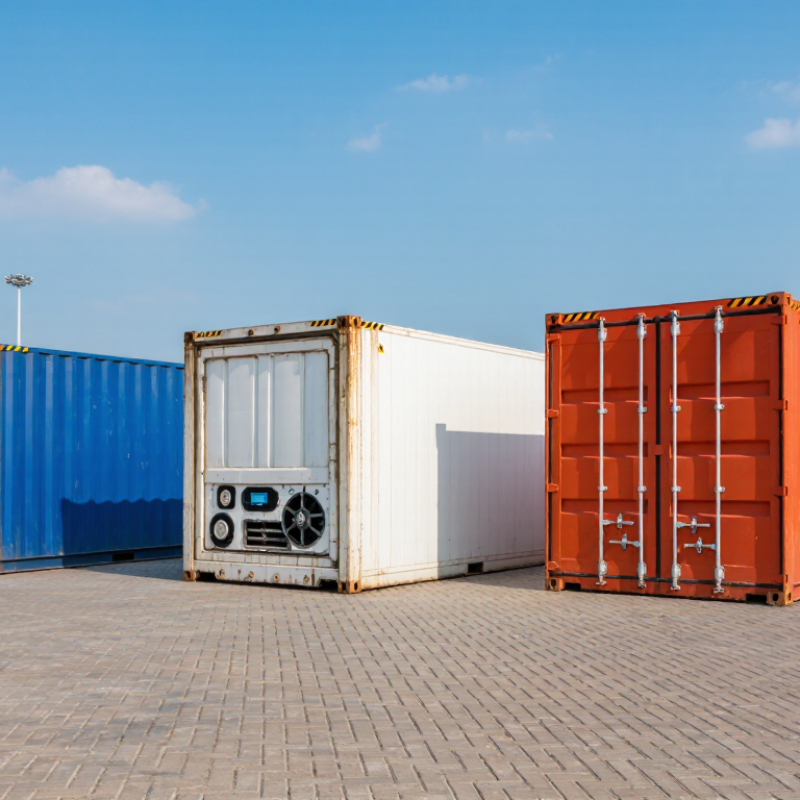
Sea containers sold in China range from standard dry boxes to specialized units. A 20-foot dry container suits dense cargo and tighter sites. A 40-foot unit carries more volume, while a 40-foot high cube adds about 30 centimeters of height. Actual internal dimensions vary by manufacturer and age, so check the specification plate and inspect the unit before purchase. Small details matter.

Refrigerated containers maintain controlled temperatures and need a reliable power supply. Open-top models allow loading from above; flat racks handle oversized cargo that does not fit inside enclosed walls. Tank containers are designed for liquid cargo. These options cost more to maintain or operate, so match the equipment to the cargo, loading method, and available connections.

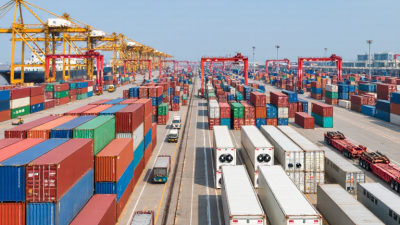
Demand offers useful context, but it does not choose the right box for you. UNCTAD’s Review of Maritime Transport 2024 reported global container-port throughput of 858.9 million TEUs in 2023, up 2.7 percent year over year. That figure describes port activity, not the resale quality of any particular container.

Before buying, check door seals, floor damage, corrosion, and repair records. I would also confirm payload and dimensions against the intended route and handling equipment. A cheap unit can still be the wrong fit.

How Cargo and Intended Use Determine Container Choice

What Is the Best Type of Sea Container to Buy in China?

The right container depends on the cargo and its next use, not just the purchase price. Dry containers suit boxed goods, furniture, and machinery that tolerate normal temperature changes. A high-cube model adds about 30 centimeters of interior height, useful for bulky, lightweight cargo. For chilled goods, a reefer may be necessary, but confirm its temperature range, power requirements, and service history. Operating costs after delivery are easy to overlook.

If cargo is oversized or loaded from above, an open-top or flat-rack container may fit better. These options need careful lashing and weather protection. For storage, a standard dry unit is often simpler; check that doors close evenly, seals are intact, and the floor has no soft spots. When buying in China, request clear condition details and verify the rated payload, interior dimensions, and identification plate against your cargo plan. A container that looks sound can still have hidden damage. Inspection matters.

Tips: Measure the largest item, including packaging. Ask for photos of the roof, floor, corner posts, and identification plate. Confirm the delivery route and handling equipment before paying. Measure twice. If specifications are uncertain, pause and recheck; revising the choice is better than discovering a height mismatch during loading.

Comparing New, Used, and Refurbished Container Conditions

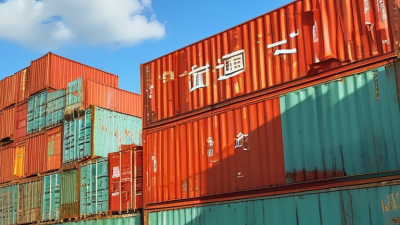
When buying a sea container in China, compare condition, not just price. A new unit offers clean flooring, minimal corrosion, and predictable service life. It suits repeated transport or long-term storage. A used container costs less, but inspect its doors, corner castings, roof, and floor for damage or water ingress. Ask for recent photographs and an inspection record.

Drewry’s Container Census 2024 reported that the global container fleet grew 8.6% in 2023, reaching about 50.9 million TEU. That figure describes fleet capacity, not container condition, but it signals a broad market where buyers should compare available grades carefully. A refurbished container may have repaired panels, treated rust, or replaced flooring. The label is not a universal condition standard. Ask exactly what work was completed, and request close-up images of repairs. A fresh coat of paint proves little.

For cargo use, check that the unit’s markings and inspection documents match your intended needs. For static storage, minor dents may be acceptable if the doors seal and the floor remains sound. That trade-off is easy to miss. I would not assume refurbished means better than used; repair quality and remaining service life matter more than the label.

What Is the Best Type of Sea Container to Buy in China? - Comparing New, Used, and Refurbished Container Conditions

Comparison New (One-Trip) Used (As-Is) Refurbished
Typical condition Recently manufactured; commonly shipped once before sale. Previously used in transport; condition varies considerably by unit. Previously used, then repaired or cosmetically improved; work performed varies by seller.
Structure and appearance Usually minimal dents and surface wear; panels, doors, and floors are generally in near-new condition. May have dents, scratches, patches, floor wear, or corrosion; inspect the actual unit. Visible damage may be patched or painted; confirm that repairs address function, not appearance alone.
Weather resistance Typically good, but check door seals, roof, and corners for damage before acceptance. Do not assume it is watertight; check for daylight, leaks, damaged seals, and floor deterioration. Can be serviceable after repairs; request a leak test or inspect the completed unit.
Expected remaining service Generally offers the longest potential service, subject to use, maintenance, and environment. Depends on age, prior handling, repairs, and exposure; condition is more informative than age alone. Depends on the original condition and repair quality; refurbishment does not make it equivalent to new.
Indicative price level Usually the highest of the three. Usually the lowest; price depends heavily on grade, location, size, and availability. Typically between used and new, depending on the scope and quality of repairs.
Best suited to Long-term storage, export use, or projects where appearance and predictable condition matter. Budget-focused storage or projects where cosmetic wear is acceptable and inspection is possible. Buyers seeking a cleaner appearance than an as-is unit without paying for a new container.
Checks before purchase Verify dimensions, door operation, floor condition, identification plate, and any required transport approval. Inspect roof, underside, corner castings, doors, seals, floor, patches, and corrosion; confirm suitability for intended use. Ask for a written list of repairs; inspect repaired areas and verify doors, seals, floor, and weather resistance.
Important buying note Prices and condition vary by container size, grade, location, delivery, and inspection requirements in China. For international shipping, confirm that the specific unit meets the carrier’s acceptance requirements and has the necessary valid approval or inspection documentation. “Refurbished” is not a single standardized condition grade, so define the work and acceptance criteria in writing.

Key Specifications to Check Before Buying a Sea Container

Before buying a sea container, confirm its external and internal dimensions against the cargo and placement area. Standard and high-cube units differ in height, while door openings are narrower than the container’s full width. Measure twice. Check the tare weight and maximum payload on the identification plate, then make sure the loaded weight suits your planned transport and lifting equipment.

Condition matters as much as size. Inspect the roof for dents or pinholes, especially where water could collect. Look for corrosion around the lower rails, corner castings, and door hinges. Small gaps matter. Open and close both doors; they should move without excessive force, and the locking bars should engage cleanly. Check the floor for soft spots, cracks, or persistent odors, since repairs can be costly.

Ask for the container’s age, repair history, and a clear description of its grade. Request recent photos of the roof, interior, floor, and identification plate, but do not treat photos as a substitute for inspection. A fresh coat of paint can hide flaws. It is easy to focus on appearance and overlook door alignment or roof leaks. If the container will travel by road or rail, verify its specifications with the carrier before purchase.

How to Evaluate Chinese Suppliers and Arrange Delivery

When comparing Chinese sea-container suppliers, ask for the exact dimensions, steel grade, door hardware, floor material, and condition category in writing. A used container can look sound in photos yet have a leaking roof or a soft floor near the doors. Request recent photographs of the roof, underside, interior corners, door seals, and identification plate. Details matter. For a new unit, confirm the stated manufacturing standard and ask what inspection records are available. For a used one, agree on what counts as acceptable wear, including dents and surface rust. A vague “good condition” description is not enough.

Check that the supplier’s business details match the sales contract, and verify the container number and specifications before payment. Ask for a pro forma invoice that lists the unit price, inspection arrangements, loading point, and any export or handling charges. Delivery costs depend on the destination and route, so compare a port-to-port quote with a door-delivery quote. Confirm who arranges inland trucking, port handling, and unloading, and whether a suitable lifting area is available at your site. Keep records. One detail buyers sometimes overlook is delivery timing: vessel schedules and port congestion can change, so ask how delays are communicated and which charges may vary. Have an independent inspector check the container before loading if you cannot visit the yard yourself. Even with clear photos, some flaws are easy to miss.

ENQUIRE NOW
close
Get In Touch

Use the form below to drop us an email if you have any question or comments.