7 Best Free Shipping Containers for Global Buyers?

Global buyers often search for free shipping containers when reducing sourcing and logistics costs. The phrase sounds simple. The real offer rarely is.

UNCTAD’s Review of Maritime Transport 2024 states that maritime transport carries over 80% of global merchandise trade by volume. That scale explains why container availability, port congestion, and freight pricing matter. A container may appear free at pickup, yet incur repositioning, inspection, storage, documentation, or inland delivery charges. The World Bank’s Logistics Performance Index 2023 also highlights reliability, tracking, and timely delivery as critical logistics factors. Price alone cannot prove a good deal.

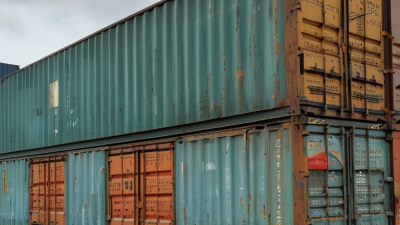
This guide examines seven practical sources and programs that may provide free shipping containers or substantially reduce acquisition costs. Options can include surplus equipment, supplier promotions, reuse initiatives, and local resale networks. Conditions vary sharply. Some units have worn door seals, corroded corner castings, or floors marked by years of heavy cargo. A site inspection can reveal more than polished photographs.

Experienced buyers should request the container’s age, identification number, CSC status, repair history, and exact collection location. They should also confirm who pays freight, lifting, customs processing, taxes, and terminal fees. Incoterms must match the written quotation. Verbal promises are weak evidence.

The label can mislead. A “free” unit may cost more than a fairly priced one nearby. Availability changes quickly, especially around major ports and seasonal trade peaks. Use the following shortlist as a starting point, not a guarantee. Compare total landed cost, documented condition, and supplier credibility before committing funds. That extra check may prevent an expensive surprise.
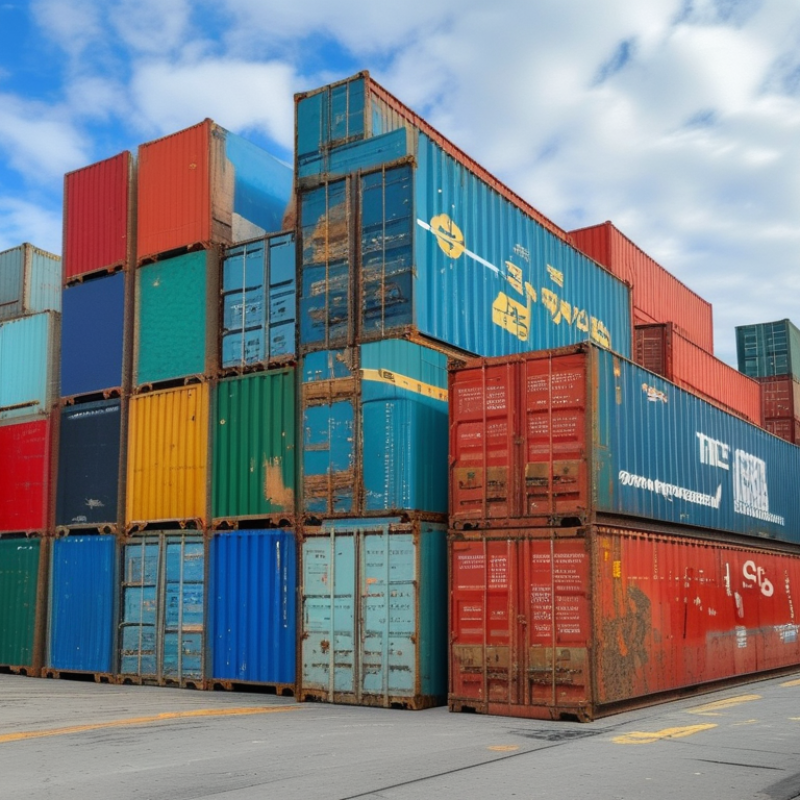
7 Best Free Shipping Containers for Global Buyers?

What Free Shipping Containers Are and How Global Buyers Use Them

7 Best Free Shipping Containers for Global Buyers?

“Free shipping containers” usually means one of two things. A seller may provide the container without a separate purchase charge. Alternatively, the freight cost may be included in the product quotation. The container itself is rarely completely free. Port handling, customs duties, insurance, storage, and inland delivery can still apply.

Global buyers use these containers for household relocation, equipment transport, temporary storage, and commercial cargo. Common options include standard dry containers, high-cube units, refrigerated containers, open-top containers, flat racks, tank containers, and insulated units. Each type serves a different cargo need. A high-cube unit offers extra height. A refrigerated unit protects temperature-sensitive goods. Flat racks suit oversized machinery. The wrong choice can increase costs quickly.

Ask for the container size, manufacture year, condition report, and valid safety certification. Check whether the quotation uses “freight prepaid” or another delivery term. These details define who pays after the cargo reaches the destination port. A low-cost offer may exclude terminal fees and final-mile transport. That surprises many first-time buyers. It is also wise to inspect seals, flooring, doors, and visible corrosion before loading. The phrase “free shipping” sounds clear, but it is often incomplete. A careful comparison should calculate the full landed cost, not just the advertised freight amount.

Seven Reliable Free Shipping Container Options for International Purchases

Seven Reliable Free Shipping Container Options for International Purchases

“Free shipping” needs careful reading. Ocean transport carries over 80% of global merchandise trade by volume, according to UNCTAD’s Review of Maritime Transport 2023. The cost may still appear inside the product price, handling fee, or destination charge. Reliable options include seller-funded full-container freight, free port-to-port service, complimentary terminal delivery, consolidated LCL shipping, shared-container space, seasonal freight promotions, and free shipping above a purchase threshold. Each option can work, but the written quotation must identify container size, ports, transit time, and included charges.

Consolidated LCL shipping suits smaller purchases, such as several cartons or a compact machine part. Shared space can reduce waste, though unpacking may take longer. Free terminal delivery sounds useful until storage begins after the pickup deadline. Check the free period carefully. Seller-funded full-container freight offers clearer control for large orders, but the buyer may still pay customs clearance, inspection, inland delivery, or local taxes. Those charges are not shipping in the narrow sense.

The World Bank’s Logistics Performance Index 2023 assessed 139 economies and emphasized customs, infrastructure, tracking, and delivery reliability. Price alone is a weak filter. Ask for a tracking reference, cargo insurance terms, container seal details, and a plain cost sheet. I would also compare the promised transit time with recent port conditions. A perfect estimate is usually suspicious. Sometimes the “free” option is simply a slower route with fewer updates.

How to Compare Container Size, Condition, Capacity, and Availability

7 Best Free Shipping Containers for Global Buyers?

“Free” shipping containers are rarely cost-free. Compare the container’s size, condition, capacity, and local availability before accepting one. ISO 668 defines common 20-foot and 40-foot container dimensions, but usable space varies with wall thickness and fittings. A standard 20-foot unit usually offers about 33 cubic meters internally. A 40-foot high-cube unit provides roughly 76 cubic meters. Measure your cargo, including pallets and door clearance. Measure twice.

Condition affects both safety and hidden expense. Inspect the roof for pinholes, the floor for chemical odors, and the doors for smooth locking. Check the CSC safety plate and recent inspection records when the container will travel internationally. The International Maritime Organization requires valid safety certification for containers used in global transport. Surface rust may be cosmetic, but weakened corner posts are not. I would reject any unit with unclear repair history, even when the price appears attractive.

Availability also changes the real cost. UNCTAD’s Review of Maritime Transport 2024 reported container-ship capacity growth of about 8.5% during 2023. More capacity can improve access, but empty equipment still concentrates near major ports. Request the container’s exact location, release date, pickup deadline, and available payload in writing. Compare delivery distance, lifting charges, taxes, and inspection costs. A spreadsheet can look precise while missing weekend storage fees. That is where many “free” deals become expensive.

Which Free Shipping Container Best Fits Different Buyer Requirements

Free shipping containers sound simple, but “free” often hides important conditions. A buyer may need a standard dry container for packaged goods, while machinery needs open access and stronger floor support. Small shipments can suit shared-container shipping, especially when one full unit would leave empty space. Check the quotation carefully. It should state container size, pickup location, destination port, handling fees, insurance, and delivery terms.

For regular household or retail cargo, a 20-foot container is often practical. It is easier to load, and fewer unused cubic meters can limit movement inside the box. A 40-foot high-cube container fits light, bulky cartons, furniture, or seasonal inventory. Heavy products may reach the weight limit before the container looks full.

Temperature-sensitive cargo requires verified refrigerated equipment, not a standard steel box. Ask for temperature records and power requirements.

Buyers with difficult loading conditions may prefer side-opening, open-top, or flat-rack containers. These options help with cranes, tall components, and oversized machinery. They may also create extra handling charges, even when ocean freight is advertised as free. A practical comparison should include at least three written quotations. Confirm who pays destination charges, unloading equipment, and customs-related service fees. A low headline price is not enough. A simple container may seem best, but that assumption can fail when cargo shape, weight, or final delivery access changes.

Key Costs, Regulations, and Risks to Check Before Ordering

7 Best Free Shipping Containers for Global Buyers?

“Free shipping” sounds attractive, but the container itself is rarely free. Ask for a complete landed-cost quote before ordering. It should include inland trucking, port handling, customs clearance, storage, insurance, taxes, and possible demurrage. A low headline price can become expensive beside a busy port.

Check the container’s condition carefully. Request recent photos of the floor, doors, roof, locking bars, and identification plate. Confirm its size, maximum payload, tare weight, and structural safety certification. Cargo weight may also require verified gross mass documentation before loading. Some destinations apply different rules to used equipment, wood packaging, or modified containers. Confirm import permits, customs documents, product classifications, and local inspection requirements with an authorized broker.

Payment terms deserve equal attention. Verify the supplier’s registered details, contract address, refund conditions, and delivery responsibility. Use a written quotation that names every fee and states when ownership transfers. Protect the cargo with suitable marine insurance; “free shipping” does not guarantee protection against water damage, theft, delays, or rejected paperwork. Port delays can last longer than expected.

Build a margin for mistakes. I would keep extra funds for storage and rebooking, even after careful planning. A small detail, such as an incorrect seal number, can delay release. The free offer may still work, but only after independent checks and realistic destination costs.

7 Best Free Shipping Containers for Global Buyers? - Key Costs, Regulations, and Risks to Check Before Ordering

“Free” container availability is uncommon in international logistics. The options below are standard container types that buyers may be able to source through free quotations, leasing arrangements, repositioning programs, or supplier promotions. Dimensions and payloads are typical ISO specifications and may vary by manufacturer, owner, age, and route.

Container Type Typical External Dimensions
(L × W × H)
Approx. Internal Volume Typical Tare / Maximum Payload Best Use Key Cost Factors Regulations and Risks to Check
20-Foot General Purpose Dry Container 6.06 × 2.44 × 2.59 m
20 × 8 × 8.5 ft
About 33 m³ Tare: about 2.2–2.4 t
Payload: commonly up to 28.0 t, subject to route limits
Dense, heavy cargo such as machinery, metal products, packaged goods, and palletized freight. Ocean freight, terminal handling, documentation, customs clearance, inland trucking, cleaning, and possible repositioning charges. Verify the container’s CSC safety plate, maximum gross mass, cargo securing, axle-weight limits, and wood-packaging compliance under ISPM 15.
40-Foot General Purpose Dry Container 12.19 × 2.44 × 2.59 m
40 × 8 × 8.5 ft
About 67 m³ Tare: about 3.7–4.0 t
Payload: commonly up to 26.5–28.0 t
Large volumes of cartons, furniture, textiles, consumer products, and other non-temperature-sensitive cargo. Usually higher total freight than a 20-foot unit, but often lower freight cost per cubic metre; loading labor and inland delivery can be significant. Check whether the cargo is volume-limited or weight-limited, confirm loading-meter requirements, and prevent uneven weight distribution.
40-Foot High Cube Dry Container 12.19 × 2.44 × 2.90 m
40 × 8 × 9.5 ft
About 76 m³ Tare: about 3.8–4.2 t
Payload: commonly up to 26.0–28.0 t
Lightweight, bulky cargo requiring extra vertical clearance, including packaged goods, displays, and flat-packed products. Container freight, inland transport, chassis availability, higher loading height, and possible equipment imbalance fees. Confirm bridge-height and road-clearance restrictions, verify the actual door height, and check that cargo cannot shift in the taller interior space.
20-Foot Refrigerated Container About 6.06 × 2.44 × 2.59 m
20 × 8 × 8.5 ft
About 27–29 m³ Tare: about 2.8–3.2 t
Payload: commonly up to 27.0 t
Fresh produce, frozen food, pharmaceuticals, chemicals, and other temperature-sensitive cargo. Higher equipment and electricity charges, pre-trip inspection, monitoring, genset use, reefer fuel, and temperature-related claims. Define the set point, ventilation, humidity, and fresh-air requirements; use validated packaging and temperature records; confirm dangerous-goods compatibility.
40-Foot High Cube Refrigerated Container About 12.19 × 2.44 × 2.90 m
40 × 8 × 9.5 ft
About 67–68 m³ Tare: about 4.5–5.0 t
Payload: commonly up to 25.0–27.0 t
High-volume chilled or frozen shipments where consistent temperature control is required. Premium freight, electricity, monitoring, pre-cooling, terminal plug-in time, inland power supply, and possible repair or cleaning fees. Check the destination’s power connection, temperature-monitoring requirements, food or pharmaceutical rules, and contingency procedures for power failure.
20-Foot Open Top Container 6.06 × 2.44 × 2.59 m
20 × 8 × 8.5 ft
About 32–33 m³ Tare: about 2.3–2.6 t
Payload: commonly up to 26.0–28.0 t
Over-height or top-loaded cargo such as stone, scrap metal, timber, machinery, and industrial components. Special-equipment premium, crane or overhead loading, tarpaulin handling, lashing, out-of-gauge charges, and possible port storage. Declare out-of-gauge dimensions accurately, obtain carrier approval, protect cargo from weather, and follow verified lifting and securing plans.
20-Foot Flat Rack Container About 6.06 × 2.44 × 2.59 m
20 × 8 × 8.5 ft
No enclosed volume rating; usable deck length is about 5.6–5.9 m Tare: about 2.5–3.0 t
Payload: commonly up to 21.0–30.0 t, depending on design
Heavy, wide, tall, or irregular cargo such as vehicles, construction equipment, tanks, and industrial machinery. High special-cargo rates, out-of-gauge surcharges, lifting, lashing, engineering review, escort vehicles, permits, and port storage. Submit exact dimensions and center of gravity, use certified lashing, confirm route permits and crane capacity, and obtain written acceptance before booking.
Buyer checklist: Request a written all-in quotation, confirm whether “free” means free equipment, free shipping, a free quote, or a promotional credit, and verify origin and destination charges separately. Also check the container’s CSC plate, cargo insurance, customs requirements, sanctions or import restrictions, dangerous-goods documentation, delivery appointment rules, demurrage, detention, and port storage terms.

Dimensions and payload figures are representative industry ranges. Always use the exact equipment specification, carrier tariff, customs rules, and road-weight limits applicable to the shipment route.

ENQUIRE NOW
close
Get In Touch

Use the form below to drop us an email if you have any question or comments.