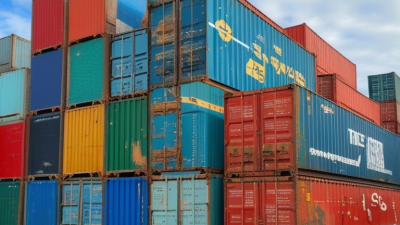
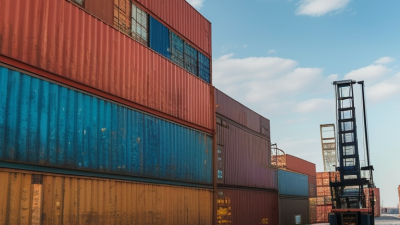
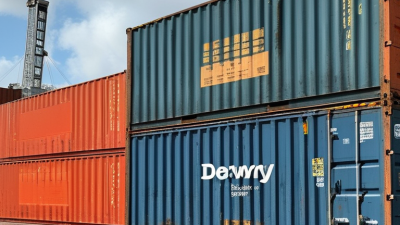
What Are the Top Shipping Containers from China?
Choosing the right shipping containers from China begins with understanding your cargo, route, and handling conditions. A standard dry container may suit boxed furniture, machinery parts, or packaged goods. Temperature-sensitive products may require refrigerated equipment. Oversized cargo often needs open-top or flat-rack designs.
China’s major ports, including Shanghai, Ningbo-Zhoushan, Shenzhen, and Qingdao, handle extensive container traffic. However, availability can change with seasonal demand, vessel schedules, and equipment repositioning. This is where practical planning matters. A container listed online is not always ready for immediate shipment.
Reliable buyers should verify the container’s size, internal dimensions, tare weight, maximum payload, and structural condition. Check the CSC safety plate and request recent inspection photographs. Door seals, floorboards, corner posts, and roof panels deserve close attention. Small defects can create expensive delays later.
A reputable supplier should provide clear specifications, transparent pricing, and consistent export documentation. Experience also shows that the cheapest quote may exclude inland transport, port fees, inspection costs, or insurance. That detail is easy to miss.
This guide examines the top shipping containers from China and explains where each type performs best. It will compare dry, high-cube, refrigerated, open-top, and flat-rack options. It will also consider supplier reliability, container condition, cargo protection, and total logistics cost. No single container fits every shipment. That sounds obvious, but it is often ignored. Careful verification remains more valuable than an attractive listing.
What Makes Shipping Containers from China Popular Worldwide?
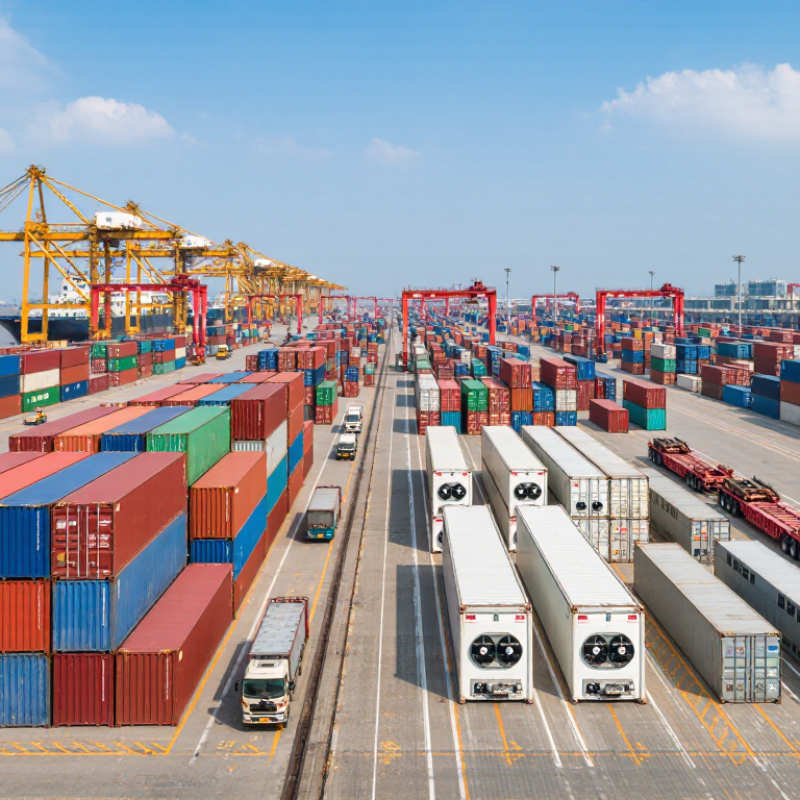
Shipping containers from China remain popular because they combine large-scale production with flexible specifications. Manufacturers can supply standard dry containers, high-cube units, refrigerated models, and open-top designs in substantial quantities. This variety helps importers match equipment to cargo, warehouse needs, and transport routes.
Price is another strong factor, but it is not the whole story. China has an extensive steel-processing network, skilled fabrication labor, and established export ports. These advantages can reduce production and shipping costs. Buyers can also request details such as door placement, ventilation, paint systems, flooring, and container dimensions. A practical inspection should check door seals, corner castings, welds, floor condition, and visible corrosion. Small defects can become expensive problems after delivery.
Standardized dimensions make these containers easy to move between ships, trucks, and rail networks. Many units are built for international transport and should carry valid safety documentation before use. Requirements can differ by destination, so buyers should verify certification, load ratings, and import rules with qualified local professionals. Not every low quote is a bargain. A cheaper container may include thinner materials, weaker flooring, or unclear inspection records. Delivery delays can also affect the final cost. Careful buyers compare the full landed price, request current photos, and confirm measurements before making payment. Mistakes still happen, especially when specifications remain vague.
What Are the Top Shipping Containers from China?
Approximate internal capacity of widely used container types shipped from China
Standard dry containers are popular because they are versatile and cost-efficient for general cargo. High-cube containers provide extra vertical space for bulky goods, while refrigerated containers support temperature-sensitive products such as food, pharmaceuticals, and chemicals. Capacities are approximate ISO-based values and may vary slightly by equipment design.
Which Types of Shipping Containers Are Exported from China?
China exports a wide range of shipping containers for different cargo needs. Standard dry containers remain the most common choice. They usually come in 20-foot, 40-foot, and 40-foot high-cube sizes. These units suit cartons, furniture, machinery parts, and general commercial goods. High-cube containers provide extra vertical space, which can reduce wasted loading capacity.
Refrigerated containers protect temperature-sensitive products during long journeys. They require a stable power supply and careful temperature monitoring. Open-top containers work well for tall cargo loaded by crane. Flat-rack containers support oversized machinery, steel structures, and heavy equipment. Tank containers transport approved liquids under strict safety controls. Their certification, valve condition, and inspection records deserve close attention. Some buyers focus only on price. That can become an expensive mistake.
Tips: Check the CSC safety plate, floor condition, door seals, and corner posts before purchase. Ask for internal photos, inspection records, and exact external dimensions. Confirm the container’s payload, coating, and repair history. A new-looking exterior can hide a damaged floor. It is also wise to compare shipping routes, because availability varies by Chinese port. I have found that specifications sometimes differ between quotations and delivered units. Rechecking every detail feels repetitive, but it prevents avoidable disputes.
What Quality Standards Should Buyers Check?
When comparing shipping containers from China, buyers should examine quality standards before focusing on price. A valid CSC safety plate confirms that the unit meets international transport requirements. Check its inspection date, maximum gross weight, and identification details carefully.
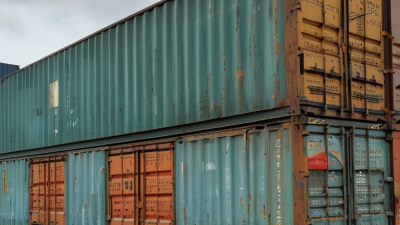
The frame should sit squarely on level ground. Inspectors should measure corner posts, rails, and cross-members for bends or fresh repairs. Doors must open smoothly and close tightly. Damaged locking bars can create serious handling problems. Look for continuous welds, clean seams, and limited surface corrosion. Rust around the corner castings deserves attention.
The floor needs equal care. Timber boards should be firm, dry, and free from soft patches or chemical odors. Buyers should request material treatment records when destination rules require them. Check the roof from inside during daylight. Small bright spots may indicate pinholes. A water test can reveal more than photographs.
Do not rely on factory images alone. Ask for current photos showing all sides, the container number, and close views of repairs. Independent pre-shipment inspection is often worthwhile, especially for large orders. Request dimensional tolerances, payload data, coating specifications, and repair history in writing. These records make quality claims easier to verify.
A checklist is not enough. Inspection timing matters. A container may pass at production, then suffer damage during storage or loading. Some buyers overlook ventilation openings, door gaskets, or uneven flooring. I would also question unusually low quotations. They may reflect thinner materials, older units, or incomplete testing. Verify the details.
How Can Buyers Choose and Import the Right Container?
Choosing a shipping container from China requires more than comparing online prices. Start with cargo type, internal dimensions, loading method, and destination rules. Standard dry containers suit boxed goods, while refrigerated or open-top units require stricter technical checks. ISO 668 defines standard container dimensions, but usable space can vary with wall thickness and door design.
UNCTAD’s Review of Maritime Transport 2024 reported global fleet capacity growth of about 3.4% in 2023, with container capacity expanding faster. More available equipment does not guarantee better quality. Ask the supplier for the container number, manufacture year, CSC safety plate, inspection photographs, and floor condition. Check corner castings, door seals, roof patches, and visible corrosion. Small defects can become expensive after ocean exposure.
Import costs also include inland haulage, ocean freight, documentation, customs charges, and possible storage fees. Drewry’s World Container Index shows that spot rates can change sharply across major trade routes, so a quotation should state its validity period and included services. Confirm whether the price covers delivery to the port or to your facility. I would request a written packing specification and a pre-shipment inspection. It adds time. Still, skipping it may create a costly surprise. Some buyers focus too heavily on the cheapest unit, and that judgment often needs reconsideration.