Why Choose Cargo Storage Containers for Global Buyers?

Global buyers need storage solutions that remain dependable across long distances, changing climates, and demanding project schedules. Cargo storage containers offer a practical option for manufacturers, distributors, construction teams, and emergency supply planners. Their steel construction protects equipment, spare parts, packaged goods, and materials from rain, dust, and daily handling. A well-selected unit can also simplify loading, inventory control, and temporary site storage.

The value begins with consistent specifications. Buyers should review external and internal dimensions, door clearance, floor condition, ventilation, locking systems, and payload limits. Experienced suppliers can provide inspection records, photographs, maintenance details, and clear delivery terms. These documents help purchasers compare units objectively instead of relying on attractive prices alone. A container placed beside a warehouse may reduce repeated forklift movement. One delivered to a remote worksite may preserve valuable time and labor.

Condition matters greatly. New containers usually provide cleaner surfaces and longer service life, while used units may offer lower initial costs. However, dents, corrosion, damaged seals, and uneven floors can create unexpected expenses. No choice is perfect. Climate, handling equipment, storage duration, and local transport access should guide the decision. Buyers should also confirm applicable quality requirements and consult qualified logistics professionals when specifications are uncertain. Careful planning builds trust between suppliers and customers. It also reduces avoidable delays, repair costs, and misunderstandings. For global purchasing teams, cargo storage containers are not simply steel boxes. They are infrastructure decisions requiring evidence, realistic budgeting, and regular review. Small details matter.
Why Choose Cargo Storage Containers for Global Buyers?

What Are Cargo Storage Containers?

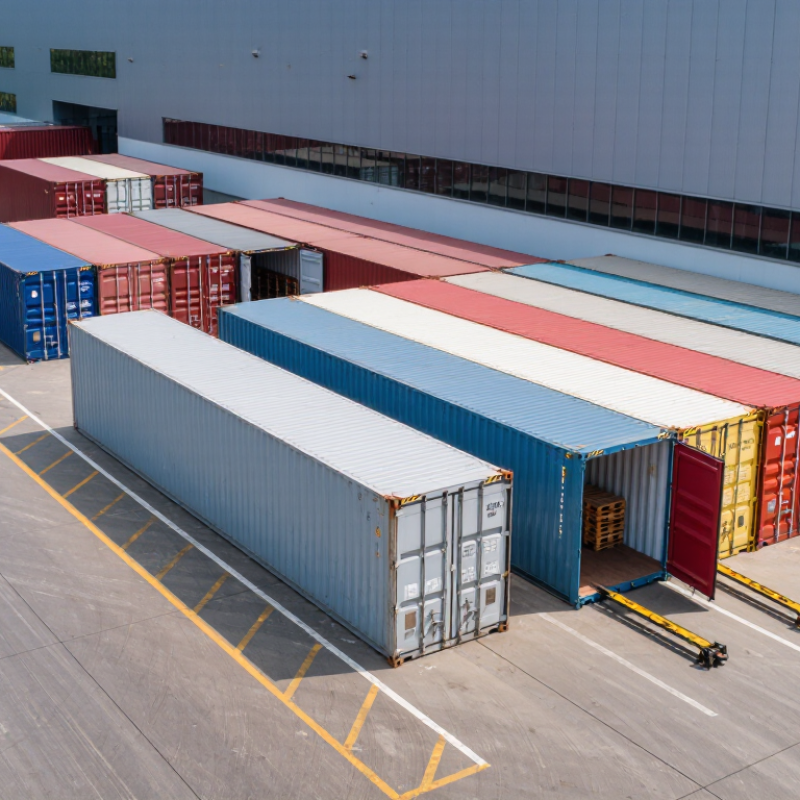
Cargo storage containers are strong, standardized steel units designed to hold, protect, and move goods. They usually include corrugated walls, lockable doors, wooden or composite floors, and weather-resistant seals. Common lengths include 20 and 40 feet, although other sizes are available.

They are practical for international buyers because their dimensions support road, rail, and sea transport. A suitable container can become temporary warehouse space, equipment storage, or a secure stockroom near a project site. I have found that buyers often focus on exterior appearance first. That can be misleading. A clean surface may hide floor damage, weak door hinges, or previous water entry.

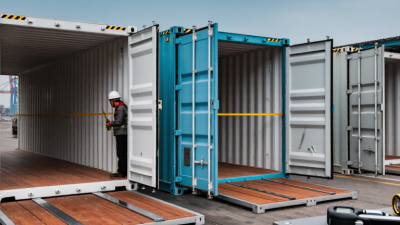
Inspection should cover the roof, corner posts, locking bars, door gaskets, and internal odors. Check the floor for soft areas and chemical stains. Request clear photos, repair records, dimensions, tare weight, and loading limits before purchase. The container should also match local transport rules, site access, and handling equipment.

Small details matter.

A newer unit is not automatically better for every use. A refurbished container may offer better value, but repairs must be documented and professionally completed. Buyers should also confirm ventilation needs, especially when stored goods react poorly to heat or humidity. Specifications can vary between suppliers, so written confirmation remains important. One detail I still reconsider is choosing based only on price; delivery distance and unloading costs can change the real budget significantly.

How Cargo Storage Containers Meet Global Storage Needs

Why Choose Cargo Storage Containers for Global Buyers?

Cargo storage containers address practical storage needs across ports, farms, construction sites, and retail facilities. Their standardized dimensions support predictable transport and placement. A 20-foot unit offers roughly 33 cubic meters of internal space, depending on its design. Steel walls protect equipment from rain, dust, and daily handling. However, protection is not automatic. Moisture can still form inside when temperatures change sharply.

Global buyers often need flexible storage without building a permanent warehouse. Containers can hold tools, spare parts, packaged goods, or seasonal inventory. Forklift pockets and corner castings simplify movement when suitable equipment is available.

Locking bars improve access control, while ventilation openings help reduce condensation. In humid regions, raised flooring, desiccant products, and regular inspections remain important. Small details matter.

Site conditions should guide every purchase decision.

Check door clearance, ground strength, drainage, and delivery access before ordering. Local rules may also regulate placement, fire safety, and electrical installations. Used units can reduce costs, but dents, damaged seals, and floor contamination require careful inspection.

A clean appearance proves little. Buyers should request clear photographs, inspection records, and accurate dimensions. Some specifications may vary from the listing. That is worth questioning. Long-term reliability depends on sensible loading, routine maintenance, and honest evaluation of the container’s condition.

Key Benefits for International Buyers

Why Choose Cargo Storage Containers for Global Buyers?

For international buyers, cargo storage containers offer a practical balance between transport and on-site storage. UNCTAD’s Review of Maritime Transport 2024 reports that over 80% of global merchandise trade by volume moves by sea. Standardized containers therefore fit established port, rail, and trucking systems. Their ISO-based dimensions support easier handling, while steel walls protect tools, spare parts, and packaged materials from rain and dust. Less repacking can also reduce handling damage.

Cost control matters. Buyers can purchase or lease units near major shipping routes, then relocate them when projects change. A lockable door, raised floor, and ventilation points help create a more controlled storage space.

The World Bank’s Logistics Performance Index 2023 highlights reliability and shipment predictability as major supply-chain concerns. A container with documented condition and clear delivery terms can reduce unexpected delays. Small details matter.

Yet containers are not automatically “ready to use.” Inspect the roof, door seals, floor, odor, corrosion, and repair history. Not every unit is equally dry. ISO 668 dimensions improve compatibility, but local placement permits, ground loading, and customs requirements still need checking. Buyers should also verify the container’s safety certification when it will carry cargo internationally. A low purchase price may hide transport, refurbishment, or unloading costs. That is where careful comparison becomes more valuable than a quick quote.

Important Factors in Choosing the Right Container

Why Choose Cargo Storage Containers for Global Buyers?

Choosing the right cargo storage container requires more than checking price and external appearance. UNCTAD’s Review of Maritime Transport 2024 states that maritime shipping carries over 80% of global merchandise trade by volume. This scale makes container reliability a practical purchasing issue.

Confirm the internal length, width, height, door clearance, and floor condition. A forklift may fit inside, but its turning space could remain limited.

Measure twice.

Container condition deserves careful inspection. Check roof seams, corner posts, locking bars, gasket flexibility, and signs of repaired corrosion. For sensitive cargo, ventilation openings can reduce condensation, although they may also allow dust and humid air inside.

ISO 668 provides standardized container dimensions, while the International Convention for Safe Containers establishes essential safety requirements. Ask for inspection records and valid compliance plates before shipment.

Paperwork is not decoration.

Global buyers should calculate the full landed cost, including inland transport, port handling, lifting, insurance, maintenance, and eventual repositioning. The World Bank’s Logistics Performance Index 2023 highlights how customs, infrastructure, and shipment reliability affect supply-chain performance.

A low purchase price can become expensive after several handling stages. In my experience, buyers sometimes focus too heavily on external paint. That is a mistake, though not always.

Examine the floor, smell the interior, and test every door before acceptance. Requirements also vary by climate, cargo weight, storage duration, and local handling equipment.

How to Purchase and Use Containers Across Borders

Why Choose Cargo Storage Containers for Global Buyers?

Buying a cargo storage container across borders requires more than comparing prices. Start by defining the cargo, route, and storage period. A dry container may suit boxed goods, while temperature-sensitive cargo needs different protection. Check its external dimensions, internal height, door seals, floor condition, and repair history. Ask for recent inspection photos and a written condition report. Small details matter.

Request a complete quotation. It should separate the container price, inland transport, port handling, customs documents, duties, taxes, and insurance. Requirements differ between exporting and importing countries. Confirm accepted container standards with customs offices, port authorities, and an experienced freight professional. Do not rely only on a seller’s online description. A low price can hide costly destination fees.

Plan its use before delivery. Prepare a level surface, allow truck access, and measure the unloading area carefully. Keep ventilation in mind when storing goods for several months. Secure the doors and inspect for water entry after heavy rain. I have seen buyers focus on purchase cost and overlook local lifting charges. That mistake is easy to repeat. Review every document, permit, and delivery condition before payment. Keep records of serial numbers, photos, invoices, and inspection results. Reliable planning makes cross-border container use safer and easier to manage.

Why Choose Cargo Storage Containers for Global Buyers?

Typical capacity comparison for purchasing and using ISO dry containers across borders

The 40-foot High Cube container provides the greatest internal storage volume, while the 20-foot container generally offers the highest payload capacity. Standardized ISO dimensions simplify international transport, stacking, customs handling, and cross-border storage planning. Actual capacity depends on the container’s CSC safety plate, construction, cargo distribution, and destination-country road-weight limits.

Reference: ISO 668:2020 nominal container dimensions and typical industry specifications. Values are representative and should be verified before purchase.

ENQUIRE NOW
close
Get In Touch

Use the form below to drop us an email if you have any question or comments.