How to Choose Cargo Storage Containers in 2026?

Choosing cargo storage containers in 2026 requires more than comparing prices and exterior colors. The right unit must match your cargo, handling equipment, storage location, and expected service life. A container sitting beside a humid port faces different risks from one stored inside a dry warehouse. Small details matter. Door alignment, floor condition, roof seams, and locking hardware can affect daily operations.

This guide examines cargo storage containers through practical selection criteria. We will consider steel construction, internal dimensions, payload capacity, ventilation, weather resistance, and access design. We will also discuss inspection records, supplier reliability, maintenance support, and total ownership costs. A lower purchase price may become expensive after repeated repairs, difficult loading, or premature corrosion. In real operations, a few extra centimeters of door clearance can save considerable handling time.

There is no universal best container. That is worth remembering. A used unit may offer excellent value, but its history requires careful checking. A new container may provide consistency, yet it can exceed the needs of a short-term project. Buyers should verify specifications rather than trust photographs alone. Request clear measurements, recent inspection images, and written condition details. Check the floor with a practical eye, not only a checklist. Some recommendations may need adjustment after site testing. That is normal. By combining technical evidence with hands-on evaluation, this article helps readers choose safer, more durable, and more suitable cargo storage containers for changing logistics demands in 2026.
How to Choose Cargo Storage Containers in 2026?

Understanding Cargo Storage Container Types and Their Primary Uses

How to Choose Cargo Storage Containers in 2026?

Choosing a cargo storage container starts with its intended use, not its appearance. Standard dry containers suit boxed goods, tools, furniture, and general equipment. They provide enclosed storage and reliable weather protection. High-cube models add extra internal height for bulky cargo or stacked pallets. That extra space can improve loading efficiency, but it may complicate access in low-clearance areas.

Open-top containers work well for tall machinery, timber, and materials loaded by crane. Side-opening models provide wider access when forklifts cannot reach through the end doors. Refrigerated containers serve temperature-sensitive goods, but they require stable electricity, airflow, and regular temperature checks. Tank containers are designed for approved liquid cargo and need specialized handling. Each type solves a different problem.

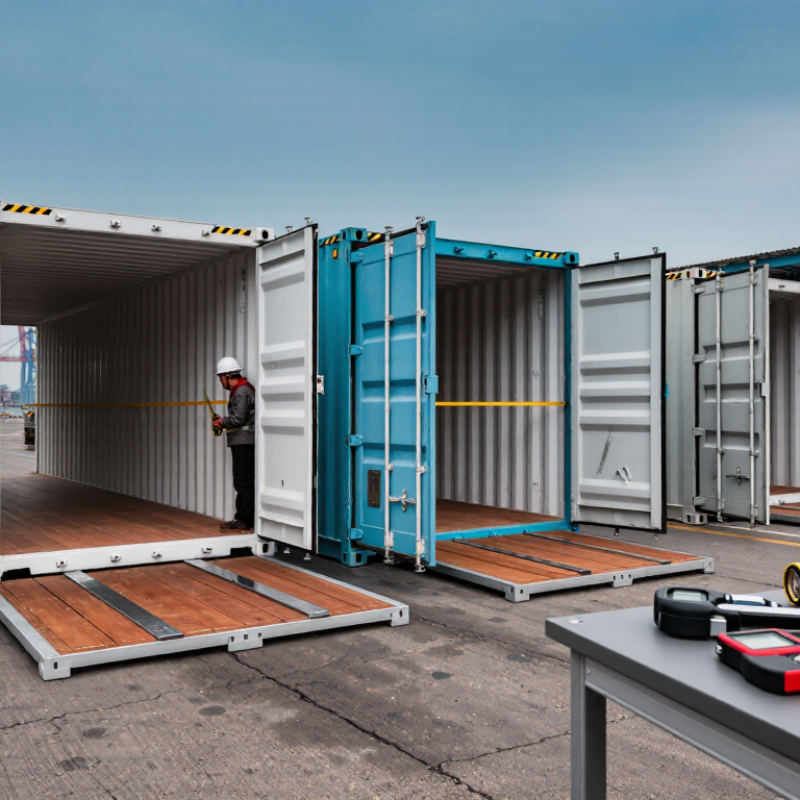
Measure the cargo before choosing. Record length, width, height, weight, door clearance, and loading equipment. A container may fit the goods but fail at the loading point. Check floor condition, door seals, ventilation, locking hardware, and visible corrosion during inspection. Used units can be economical, although repairs may outweigh the initial saving. I have seen storage plans change after discovering that a pallet could not turn inside the doorway. That detail is easy to miss. Consider ground drainage and safe placement, too. Local transport, workplace, and storage requirements should also guide the final selection.


Assessing Capacity, Dimensions, Materials, and Weight Requirements

How to Choose Cargo Storage Containers in 2026?

Assessing Capacity, Dimensions, Materials, and Weight Requirements

Choosing a cargo storage container starts with the load, not the advertised volume. Measure each item, including handles, pallets, and protective padding. Leave clearance for airflow and safe access. A container that looks spacious may become impractical after loading.

I once underestimated door clearance by a few centimeters, creating unnecessary handling work.

Check internal length, width, and height against the cargo’s actual arrangement. Account for stacked weight, uneven shapes, and forklift entry points. Then compare tare weight with the maximum permitted gross weight. The container itself consumes part of the capacity. Never rely on floor strength alone; concentrated loads can damage panels or distort the base.

Material selection depends on location and handling conditions. Treated steel suits repeated outdoor use, while aluminum can reduce overall weight. Insulated panels help protect temperature-sensitive goods, but they reduce internal space. Look for corrosion-resistant surfaces, secure doors, drainage control, and replaceable seals. Inspect welds and hinges in person when possible. Photos can hide wear.

Small details matter. Very much.

A written loading plan improves consistency between shifts. Record dimensions, weights, moisture exposure, and inspection dates. Recheck supplier specifications against your equipment and site limits. Standards and operating requirements can change, so confirm current technical guidance before purchase. I would also test one filled unit before ordering many; real loading often exposes assumptions that drawings miss.

Comparing Security, Weather Resistance, Ventilation, and Accessibility

How to Choose Cargo Storage Containers in 2026?

Cargo storage decisions should begin with risk, not appearance. UNCTAD’s Review of Maritime Transport 2024 states that over 80% of global merchandise trade moves by sea. The World Shipping Council reported 576 containers lost at sea in 2024, compared with 221 in 2023. These figures reinforce the need for strong doors, protected locking points, and certified high-security seals. During site inspections, I also check hinge condition, floor damage, and gaps around door gaskets. A bright exterior can hide weak hardware.

Weather resistance requires more than rust-colored steel. Look for corrosion-resistant panels, intact roof seams, raised flooring, and effective drainage. ISO 1496-1 offers useful structural guidance, but local wind, flooding, and temperature patterns still matter. Ventilation is equally important. Passive vents reduce condensation, yet they cannot remove moisture from wet cargo. Timber, textiles, and machinery may need desiccants or controlled airflow. This is where specifications sometimes oversimplify reality.

Accessibility affects daily costs. A container with wide-opening doors, clear internal height, and safe ground access supports faster loading. Check whether forklifts can approach without unstable ramps. Review the lock position after shelving or pallets are installed. Small obstructions become repeated delays. The security choice may also reduce convenience; stronger locking systems can slow authorized access. That trade-off deserves a practical trial before purchase, not a quick assumption.

Checking Compliance, Condition, Delivery, and Installation Options

How to Choose Cargo Storage Containers in 2026?

Compliance should guide the purchase, not appearance. Check the CSC safety plate, inspection records, maximum gross mass, and structural repairs. Local planning rules may also affect placement. UNCTAD’s Review of Maritime Transport 2024 recorded about 12.3 billion tonnes of seaborne trade in 2023. That volume increases pressure on reliable storage equipment. Ask for documented inspections, not verbal assurances. A clean exterior can hide weakened floors or distorted door frames.

Condition checks should include roof leaks, corner posts, locking rods, floor damage, and internal odors. Stand inside during daylight. Small pinholes become obvious. The World Shipping Council reported 576 containers lost at sea in 2023, showing that inspection controls matter across the logistics chain. However, a storage unit is not automatically suitable for every cargo. Temperature sensitivity, ventilation, humidity, and load distribution require practical assessment. I have seen buyers focus on repainting while ignoring uneven floors.

Delivery details deserve equal attention. Confirm the truck type, lifting method, access width, ground bearing capacity, and unloading radius. The World Bank’s Logistics Performance Index 2023 highlights timeliness and infrastructure as key logistics performance factors. Installation may require a crane, level foundations, drainage, and secure anchoring. Request a written site plan with delivery tolerances. It is easy to underestimate this step. A container can arrive in excellent condition and still become unusable when the access road cannot support the delivery vehicle.

How to Choose Cargo Storage Containers in 2026?

Compare common ISO container formats by their nominal external dimensions before checking compliance, condition, delivery access, and installation requirements.

The dimensions shown are nominal external measurements in metres based on commonly specified ISO container sizes. Confirm the container’s CSC safety plate, inspection status, structural condition, door and floor condition, delivery route, crane or forklift access, and required foundation before purchase or installation. Actual dimensions and allowable payload can vary by manufacturer and container specification.

Selecting the Best Container for Cost, Duration, and Future Needs

In 2026, choose a container for the cargo’s journey, not only the lowest rental quote. UNCTAD’s Review of Maritime Transport 2024 recorded about 12.3 billion tonnes of seaborne trade in 2023. That volume increases pressure on ports, storage yards, and delivery schedules. For short projects, a standard dry container may control costs. Longer storage may require better ventilation, flooring, and corrosion protection. The cheapest option can become expensive later.

The World Bank’s 2023 Logistics Performance Index collected responses from 4,090 trade professionals across 139 economies. Its findings show major differences in infrastructure, customs, and shipment tracking. Therefore, match the container to the weakest point in your route. A robust unit helps at a remote yard. A modified unit may suit sensitive equipment, but its higher purchase and maintenance costs need careful calculation. Do not overlook local handling charges.

Think beyond today’s cargo. ISO 668 dimensions support predictable stacking, loading, and transport planning, while the CSC Convention sets safety requirements for international movement. Measure pallets, door clearance, lifting access, and future product changes before signing. A 20-foot unit may fit current inventory, yet a 40-foot unit could reduce expansion costs. No forecast is perfect. One common mistake is buying too much empty space and paying for it every month. Keep a written cost model covering rental, transport, inspections, repairs, insurance, and eventual disposal.

How to Choose Cargo Storage Containers in 2026? - Selecting the Best Container for Cost, Duration, and Future Needs
Container Option Typical External Size Approximate Internal Volume Typical Purchase Cost Range (USD) Typical Rental Cost Range (USD/Month) Expected Service Life Best for Future Flexibility Key Considerations Overall Value Rating
Used Standard Dry Container 20 ft × 8 ft × 8 ft 6 in About 33 m³ $1,500–$3,500 $80–$180 5–10 additional years, depending on condition Short-term storage and low-cost cargo protection Moderate Inspect doors, roof, floor, corner posts, corrosion, and water-tightness before purchase. ★★★★☆
Used High-Cube Dry Container 40 ft × 8 ft × 9 ft 6 in About 76 m³ $2,000–$5,000 $120–$250 5–10 additional years, depending on condition High-volume cargo and palletized goods High Provides approximately 30 cm more internal height than a standard container; check transport and site clearance. ★★★★★
New or One-Trip Standard Dry Container 20 ft × 8 ft × 8 ft 6 in About 33 m³ $2,500–$5,000 $120–$250 15–25 years with proper maintenance Long-term storage and cargo requiring reliable weather protection High Usually has less corrosion and floor wear than an older unit, but the higher purchase price may not suit temporary projects. ★★★★★
New or One-Trip High-Cube Container 40 ft × 8 ft × 9 ft 6 in About 76 m³ $3,500–$7,000 $160–$320 15–25 years with proper maintenance Long-term, high-volume storage with future expansion needs Very high Strong balance of volume and durability; confirm that the delivery route can accommodate the longer and taller unit. ★★★★★
Open-Top Container 20 ft or 40 ft × 8 ft; height varies by model About 32–65 m³ $3,000–$8,000 $180–$400 10–20 years with proper maintenance Oversized cargo loaded by crane or from above High for specialized cargo The removable roof improves loading access but can increase exposure to rain, dust, and security risks when open. ★★★★☆
Side-Opening Container 20 ft or 40 ft × 8 ft; standard or high-cube height About 33–76 m³ $5,000–$12,000 $250–$600 10–20 years with proper maintenance Frequent access, wide cargo, and warehouse-style picking Very high for operational use Multiple doors improve access but add seals, hinges, and locking points that require regular inspection. ★★★★☆
Insulated or Refrigerated Container 20 ft or 40 ft × 8 ft; height varies by model About 28–67 m³ $8,000–$25,000+ $600–$1,500+ 10–15 years; refrigeration equipment may require earlier replacement Temperature-sensitive food, pharmaceuticals, and specialty materials Specialized Requires dependable electrical power, temperature monitoring, service access, and allowance for operating energy costs. ★★★☆☆
Modified Storage Container Usually based on 20 ft or 40 ft dimensions About 33–76 m³ $5,000–$20,000+ $250–$800 10–20 years, depending on modifications Secure offices, workshops, tool storage, and long-term site facilities Very high after planning Ventilation, insulation, electrical systems, doors, windows, and local permits can significantly affect total cost. ★★★★☆
Cost ranges are indicative 2026 planning figures in U.S. dollars and can vary significantly with location, delivery distance, condition, certification, customization, taxes, and market availability. Rental prices may exclude delivery, pickup, deposits, insurance, site preparation, and maintenance.
ENQUIRE NOW
close
Get In Touch

Use the form below to drop us an email if you have any question or comments.