Choosing a side opening shipping container involves more than comparing prices or viewing attractive photographs. The container must suit your cargo, loading site, transport route, and handling equipment. A poor choice can leave valuable floor space unused, slow warehouse work, or create avoidable repair costs.
John Fossey, a recognised container-equipment specialist and former Drewry analyst, has offered a practical principle: “The right equipment depends on the cargo, the route, and the handling process.” This idea guides the seven tips in this article. Each tip focuses on a decision that affects daily performance, from door configuration and internal dimensions to payload, floor strength, ventilation, and container condition. Measure the loading area carefully. A side opening shipping container may provide excellent access, but its doors still require safe clearance beside the unit. That detail is easy to miss.
Think about the real cargo.
Boxes, machinery, timber, and palletised goods do not behave the same way. Their weight distribution, height, and loading sequence can change the best container specification. Check door seals, hinges, locking bars, flooring, and corner posts before purchase or hire. Small defects can become expensive problems after exposure to rain, salt air, and repeated handling.
There is no perfect container for every project. Even experienced buyers can overlook turning space or forklift reach. That is why these recommendations combine practical inspection with technical judgment. They are designed to help readers ask sharper questions, compare suppliers responsibly, and select equipment that remains useful beyond its first delivery.
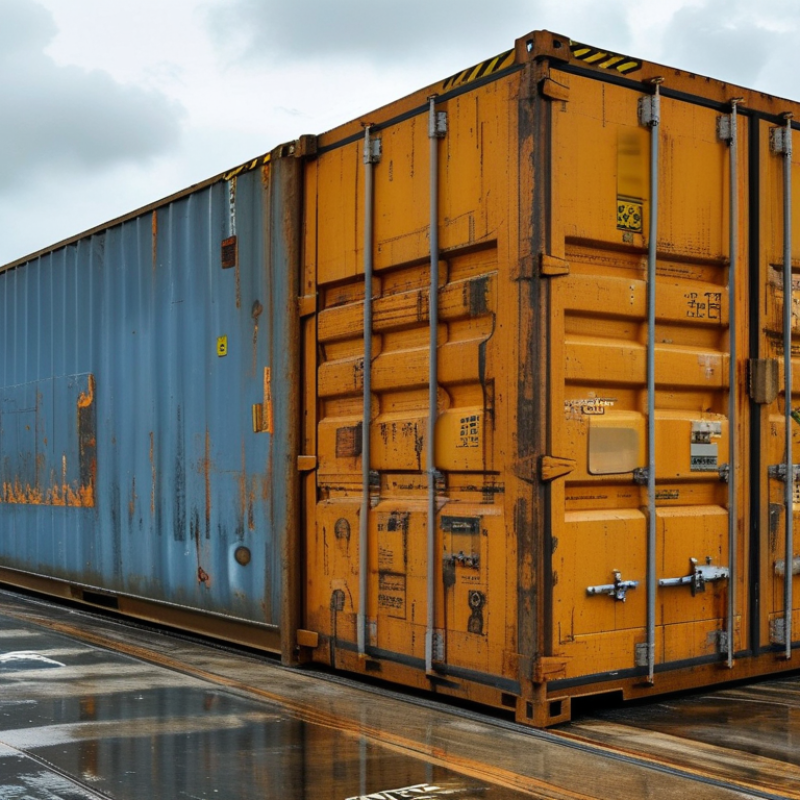
Choosing a side opening shipping container starts with the cargo, not the container. Measure the longest, widest, and tallest items before comparing models. Record their weight and center of gravity. A pallet may fit through the end doors but remain difficult to turn inside.
Side access changes the loading plan. It can reduce repeated unloading when workers need one crate from the middle. Confirm the side door’s clear width and height, not only the advertised dimensions. Check whether your forklift, pallet jack, or lifting equipment can reach the opening safely. A level loading area matters. So does enough space beside the container.
Think about cargo protection during daily use. Inspect door hinges, seals, locking bars, floor condition, and internal tie-down points. Look for dents that may restrict door movement. Ventilation may help with moisture-sensitive goods, but it cannot replace suitable packaging. Distribute heavy cargo across the floor, rather than concentrating it near one opening. Leave a practical walkway if staff will enter regularly. Ask for recent inspection records and confirm the container’s external measurements. I have seen plans fail because the container fit the cargo, but not the loading site. Recheck turning space, ground slope, and future cargo changes before ordering. Side doors are useful, but they also create more hardware to maintain.

7 Tips for Choosing a Side Opening Shipping Container
ISO 668:2020 defines standard external dimensions for common containers. A 20-foot unit measures about 6.058 metres long, while a 40-foot unit measures about 12.192 metres. Both are typically 2.438 metres wide and 2.591 metres high. Internal dimensions vary, so measure your cargo, not only the container label. A standard 20-foot container offers roughly 33 cubic metres of internal volume; a 40-foot unit provides about 67 cubic metres. These figures come from widely used industry specifications, but manufacturing tolerances can reduce usable space slightly.
A side opening design adds access along the long wall. This helps when forklifts need to reach pallets without unloading the entire container. Check the actual door opening width, sill height, locking positions, and the clear height beneath the roof frame. Some units have one full-length opening, while others use several side doors. Door hardware also consumes space. It can interfere with wide crates or shelving.
Compare the end doors as well. Two access points may improve loading flow, yet they do not automatically create more capacity. The Container Handbook notes that internal corner posts and lashing points affect stowage efficiency. Payload must be checked on the CSC safety plate, not guessed from volume. In practice, I would sketch the largest crate footprint before ordering. I once trusted the nominal width and overlooked pallet overhang. That mistake was avoidable. Leave working clearance around doors, especially where a forklift must turn. A smaller container with better access can sometimes outperform a larger, poorly configured unit.
Evaluate the steel grade and panel thickness before comparing prices. Strong, corrosion-resistant steel handles repeated loading better. Inspect welds closely. Uneven seams may allow water entry or weaken the frame. Check the floor for treated boards, solid supports, and a dry, odor-free surface. A clean interior matters. I once overlooked minor floor swelling, and repair costs increased after delivery. Ask for inspection records and confirm the container’s dimensions match your equipment.
Examine every side-opening door, hinge, gasket, and locking bar. Doors should open smoothly without scraping the frame. Replaceable seals help prevent dust and rain intrusion. Choose protected locking hardware with enclosed components and reinforced mounting points. Security should not depend on a single padlock. Internal bracing can reduce forced entry risks, but it may limit usable space. Measure carefully.
Weather protection requires more than fresh paint. Look for sealed roof joints, sound corner posts, and drainage paths around door thresholds. A durable coating helps, but damaged paint needs prompt attention. Ventilation openings can reduce condensation, especially when temperatures change quickly. However, vents should include screens and weather-resistant covers. Ask whether the container was tested for leaks. Testing evidence is more reliable than a sales promise. My own mistake was treating surface rust as harmless; small patches can spread beneath coatings. Inspect during daylight, and photograph questionable areas before purchase.
7 Tips for Choosing a Side Opening Shipping Container?
Tip 1: Check the structure. Inspect corner posts, roof rails, floor beams, and side-door hinges for bends or fresh welds. Water stains and soft flooring deserve attention. I once saw a “good” unit fail a closer floor inspection. Small defects can become expensive problems.
Tip 2: Confirm compliance. Ask for a readable CSC safety plate, inspection date, payload rating, and repair history. The CSC Convention supports international container safety controls. ISO 1496-1 also defines essential strength and testing requirements. Do not rely only on photographs. Verify the documents against the container number.
Tip 3: Review ventilation. Cross-flow vents should be clear, protected, and suitable for the intended cargo. Poor airflow can create condensation, corrosion, or mold inside a closed steel box. UNCTAD’s Review of Maritime Transport 2024 reports that ships carry over 80% of global merchandise trade by volume. Containers face demanding handling and weather conditions throughout that journey.
Tip 4: Examine customization. Side-opening doors need sound seals, secure locking bars, and even alignment. Confirm whether modifications affect the rated payload or certification. Custom shelving, ramps, lighting, and internal lining can improve daily handling, but careless drilling may weaken panels.
Tip 5: Measure access carefully. Check door width, threshold height, ground clearance, and forklift approach space. A wider opening is not automatically better. Review wind exposure and drainage around the site. The World Shipping Council recorded 576 containers lost at sea in 2023, reinforcing the value of secure loading and inspection. Ask for an independent survey when the purchase value is significant.
7 Tips for Choosing a Side Opening Shipping Container
Review Pricing, Delivery Terms, and Supplier Reliability
A side opening shipping container should fit your loading routine, budget, and site conditions. Start with a written quotation, not a quick message. Check whether the price includes doors, locking gear, flooring, inspection, and transport. A low headline price can hide port fees, crane charges, or inland delivery costs. Ask for every charge in one document. Keep the quotation date visible.
Delivery terms need careful attention. Confirm the production schedule, dispatch port, destination, and unloading responsibility. Clarify who pays storage fees when transport is delayed. Request the container’s external measurements before booking a truck or lifting equipment. A few centimeters can create an expensive problem. I once trusted a delivery estimate without checking local holiday delays. The container arrived late, and the installation crew had to be rescheduled.
Supplier reliability requires evidence, not confident promises. Ask for recent inspection records, steel specifications, door hardware details, and clear photographs of the actual unit. Check how warranty claims are handled and how quickly questions receive written answers. Reliable suppliers explain limitations, including possible paint damage or minor transport marks. Their documents should match the quotation. If details keep changing, pause the order and request clarification. A small sample review or independent inspection may cost extra, but it can reveal weak seals, uneven doors, or damaged flooring before delivery.
| No. | Selection Tip | What to Check | Typical Market Reference | Recommended Evaluation | Risk Warning |
|---|---|---|---|---|---|
| 1 | Confirm the container size and layout | Verify external dimensions, internal clearance, door opening, side-opening configuration, and usable floor area. | Common lengths are 20 ft and 40 ft. A standard 20 ft container is approximately 6.06 m long; a standard 40 ft container is approximately 12.19 m long. | Match the internal dimensions and payload capacity with the cargo type, loading equipment, aisle requirements, and site access. | Nominal dimensions may not reflect usable space around door frames, locking bars, hinges, and internal fittings. |
| 2 | Compare the total delivered price | Separate the container price from transport, handling, inspection, unloading, taxes, storage, and modification costs. | Used-container prices commonly vary by condition, age, location, and market availability. Side-opening models generally cost more than standard end-opening units because of additional doors and hardware. | Request an itemized quotation with currency, validity period, included services, applicable taxes, and any destination-related charges. | A low base price can become expensive when delivery, crane hire, permits, or site restrictions are excluded. |
| 3 | Review delivery terms and lead time | Check the named delivery location, transport method, estimated dispatch date, unloading responsibility, and delivery appointment process. | Regional delivery may take several business days, while international shipping can take multiple weeks depending on route, customs, port congestion, and equipment availability. | Use written Incoterms or equivalent delivery language and confirm who pays freight, insurance, customs clearance, demurrage, and destination handling. | “Delivery included” may only mean transport to a curbside location and may not include crane unloading or final positioning. |
| 4 | Inspect condition and certification | Review inspection reports, CSC status where applicable, manufacturing year, corrosion level, floor condition, door seals, and locking mechanisms. | New, one-trip, cargo-worthy, wind-and-watertight, and as-is are different condition categories with different prices and expected service life. | Ask for dated photographs or a video showing the roof, corners, underside, interior, side doors, gaskets, and locking bars. | A container can appear sound externally while having hidden floor damage, water ingress, distorted doors, or weakened corner fittings. |
| 5 | Evaluate side-door safety and usability | Check door alignment, hinges, handles, locking rods, seals, wind restraints, threshold height, and the clearance needed to open the full side. | Side-opening configurations provide wider access than end-opening designs but add hardware, weight, maintenance points, and potential leakage paths. | Confirm whether doors open individually or as a full set, and verify operation before accepting delivery. | Uneven ground, nearby structures, overhead obstructions, or insufficient working space can prevent safe side-door operation. |
| 6 | Check supplier reliability | Review business registration, verifiable address, payment details, after-sales support, written warranty, and independently traceable customer feedback. | A reliable supplier should provide consistent specifications, clear documentation, realistic availability, and a defined process for defects or delivery damage. | Compare at least three written quotations and request references or transaction evidence relevant to the destination market. | Avoid pressure to make immediate payment, unverifiable inspection claims, changing bank details, or quotations with unusually broad promises. |
| 7 | Assess warranty, returns, and maintenance support | Clarify coverage for leaks, structural defects, door hardware, corrosion, delivery damage, replacement parts, and response times. | Warranty periods and exclusions differ widely by condition, modification level, location, and whether the unit is sold new or used. | Ensure the purchase agreement defines inspection deadlines, photographic evidence, claim procedures, repair obligations, and refund or replacement remedies. | Verbal assurances are difficult to enforce; obtain all specifications, delivery commitments, and remedies in the final contract. |
Note: Prices, lead times, and availability vary by container condition, location, season, transport route, customs requirements, and market supply. Confirm current figures and local compliance requirements before purchase.
Are you still planning to build your shipping container home this year? How about you could save up to $5,000 in delivery costs towards your project?
With the Tiny Home Expos in Brisbane, Adelaide and Canberra in the coming months, we are offering FREE DELIVERY (*up to $5000) to each state the Expo is in, in exchange with using your project as a display at the show. Offer expires 8 weeks before each Expo and limited to ONE project per Expo ONLY so reach out to us now to secure your spot!
Enquire Now