A 10 foot shipping container can fit where a standard-size unit cannot. Its compact footprint suits tight driveways, small workshops, garden storage, and sites with limited space. Yet “10-foot” does not guarantee identical dimensions or features. Manufacturers may differ, so check the unit’s measurements before arranging delivery.
This guide introduces ten options available from sellers in different markets, including new, used, insulated, and modified containers. Each type serves different needs. A used steel unit may offer practical value, while a modified model can include doors or access features that better suit a workspace. Details matter. Look closely at photographs, door operation, floor condition, visible corrosion, and any repair history. Ask the seller for written specifications, not just a broad product description.
Price is only part of the decision. Delivery access, unloading equipment, local availability, and site preparation can affect the final cost. For units intended for transport, confirm that their specifications meet the carrier’s requirements. A container that looks sound online may still be unsuitable for a narrow entrance or a damp storage area. That is easy to overlook. No single option is best for every buyer, and listings can change quickly. Use the comparisons as a starting point, then verify dimensions, condition, and delivery terms directly with the seller before purchasing.
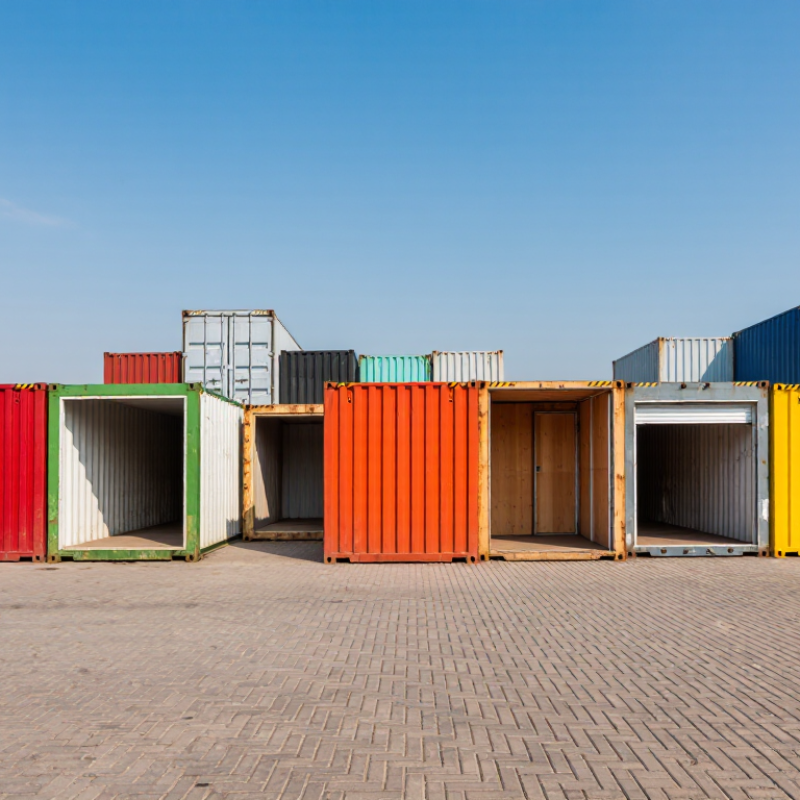
A 10-foot shipping container is a compact, enclosed steel unit used for cargo or storage. Its exterior dimensions are typically about 10 feet long, 8 feet wide, and 8 feet 6 inches high. Interior space is smaller, and usable volume is often around 15 cubic metres. Door clearance, floor thickness, and condition vary, so check the unit’s measurements before buying. ISO 668 provides dimensional standards for freight containers, but availability and specifications can differ between 10-foot units.
UNCTAD’s Review of Maritime Transport 2024 reports that shipping carries over 80% of world trade by volume. Containers support this movement, but a smaller unit is not automatically easier to use. A 10-footer can suit tools, equipment, or a small amount of stock. Its compact footprint helps in tight spaces. Still, one extra pallet can change the loading plan, and handling options may be limited.
Tips: Measure your access route, doorway, and storage area. Check internal dimensions, payload rating, and empty weight on the container’s data plate. Compare those figures with your cargo and unloading equipment.
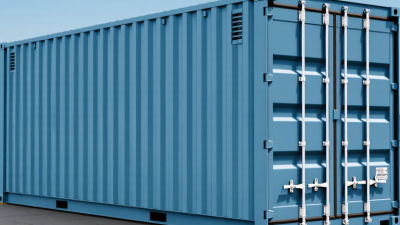
A 10-foot shipping container is a compact steel storage or transport unit. Typical exterior dimensions are about 10 ft long, 8 ft wide, and 8.5 ft high. Interior space is smaller because of the walls and roof; exact measurements vary by design and manufacturer.
A 10-foot shipping container is a compact option for tools, seasonal stock, or a small worksite store. It fits where a standard 20-foot unit may be awkward. Useful types include standard dry, high-cube, insulated, and refrigerated models. Availability varies by supplier and region.
A typical standard unit measures about 10 feet long, 8 feet wide, and 8 feet 6 inches high externally. Interior space is smaller: wall panels, corner posts, and door framing reduce usable width and height. Exact dimensions, tare weight, payload, and door clearance depend on the build. Check the specification plate and measure the intended cargo before ordering. Small differences matter.
High-cube versions offer extra headroom, while insulated and refrigerated units use thicker walls and may reduce interior capacity. Some 10-foot units are modified from larger containers, so their fittings and ratings can differ. Look for sound door seals, clean floor boards, secure hinges, and no visible corrosion around welds. Ask for recent photos and inspection records. A fresh coat of paint can hide wear; it is not proof of condition. Temperature-control requirements also deserve careful review, since compact equipment can take up meaningful storage space.
When comparing 10-foot containers for sale worldwide, start with the job they need to do. A unit for dry storage may not suit frequent loading or temperature-sensitive goods. Ask for its external and internal dimensions, door opening size, tare weight, and payload rating. Usable space can vary between models, even when the listed length is similar. Small, but not simple.
Condition matters as much as price. Ask whether the container is new, used, or refurbished, and request current photos of the roof, floor, door seals, and corner fittings. Look for dents that affect door operation, soft flooring, rust-through, or daylight around closed doors. Check that both doors open smoothly. Photos can miss things, so an independent inspection may be worthwhile when a long-distance purchase makes returns difficult. Measure twice.
Compare the full delivered cost, not just the unit price. Clarify whether transport, unloading, and any site-access requirements are included. A low quote can become less attractive if delivery needs special equipment or the truck cannot reach the placement area. Confirm the container’s stated specifications in writing, and compare the same condition and delivery terms across sellers. I would also leave room for uncertainty: advertised dimensions and condition descriptions do not replace a careful inspection. One overlooked detail, such as a restricted turning area, can delay placement.
Compare the main 10-foot container configurations by typical use, access, and specification. Dimensions and availability vary by manufacturer, country, and whether the unit is a purpose-built container or a modified unit.
| Container Type | Typical External Size (L × W × H) | Interior Space / Capacity | Access and Features | Common Uses | What to Check Before Buying |
|---|---|---|---|---|---|
| Standard Dry | About 2.99 × 2.44 × 2.59 m (9 ft 10 in × 8 ft × 8 ft 6 in) |
Typically about 2.83 × 2.35 × 2.39 m internally; around 15–16 m³ | Enclosed steel unit with end doors; suitable for general dry storage. | Tools, boxed goods, equipment, and general-purpose storage. | Check door operation, floor condition, corrosion, leaks, and the seller’s exact internal measurements. |
| High-Cube | About 2.99 × 2.44 × 2.90 m (9 ft 10 in × 8 ft × 9 ft 6 in) |
Often around 17–18 m³; interior height varies by construction. | Extra height compared with a standard-height unit; usually has end doors. | Taller equipment, shelving, and goods that benefit from additional headroom. | Confirm total height, delivery clearance, and whether the extra height is included in the quoted dimensions. |
| Double-Door | Usually based on a standard 10-foot shell; confirm the exact unit. | Comparable to the matching standard or high-cube shell, less any added fittings. | Doors at both ends allow access from either side of the unit. | Storage layouts that need easier loading, unloading, or separation of goods. | Inspect both door sets, locking bars, seals, and clear opening dimensions. |
| Side-Opening | Usually based on a standard 10-foot shell; dimensions depend on the design. | Usable volume depends on the opening system and internal fittings. | One or more side panels or doors open for access along the length. | Long items, display access, or sites where end-door access is restricted. | Ask how the side panels secure, how much clear opening is available, and whether the unit needs level ground. |
| End-Door and Side-Opening | Configuration-specific; often built around a 10-foot container footprint. | Varies with the shell and door system. | Combines end doors with side access for more flexible loading. | Frequent access, mixed-size goods, and storage with limited maneuvering space. | Check that all doors can open fully at the intended installation site and that seals are intact. |
| Insulated | Often based on a standard 10-foot shell; exterior size varies by insulation system. | Interior dimensions and capacity are reduced by insulation and lining. | Insulated walls and ceiling help moderate temperature changes; not necessarily refrigerated. | Goods or equipment that need protection from rapid temperature changes. | Confirm insulation thickness, interior finish, ventilation, and whether active temperature control is included. |
| Refrigerated (Reefer) | Varies by model; some compact units use a high-cube-height profile. | Less usable space than a dry container because of insulation and refrigeration equipment. | Insulated interior with powered cooling equipment; operating requirements depend on the unit. | Temperature-controlled storage for suitable chilled or frozen products. | Verify temperature range, power supply, operating condition, service history, and usable internal dimensions. |
| Open-Top | Usually based on a standard 10-foot footprint; height and cover arrangement vary. | Capacity depends on the shell; the open roof allows loading from above. | Removable roof covering or open-top design enables crane or top loading. | Items that are difficult to load through standard end doors. | Check cover or tarpaulin condition, securing points, and whether the cargo can be safely covered. |
| Flat Rack | Typically uses a compact container-length platform; exact dimensions vary. | Not an enclosed volume; cargo capacity depends on the unit’s rated specifications. | Open platform with end structures that may be fixed or collapsible. | Oversized or unusually shaped cargo that cannot fit inside an enclosed container. | Request the rated payload, platform dimensions, lashing-point details, and transport requirements. |
| Tank Container | Frame and tank dimensions vary; confirm that the unit is specifically a 10-foot model. | Tank capacity is model-specific and should be confirmed from its nameplate and documents. | Tank vessel secured within a transport frame; designed for compatible liquids or gases. | Specialized transport or storage of approved bulk liquids or gases. | Check certification, inspection dates, product compatibility, pressure rating, and applicable local regulations. |
Dimensions are indicative reference values, not guaranteed specifications. Ten-foot units and modified configurations are not identical across the worldwide market. Always verify the individual unit’s measurements, condition, certifications, payload rating, delivery method, and price with the seller before purchase.
A 10-foot container suits jobs where a full-size unit wastes space: secure tool storage, a compact workshop, a garden shed, or a small retail display. Small can be useful. Before buying, compare internal length, door width, floor condition, and ventilation; external dimensions alone do not tell you whether a workbench or pallet will fit. A 10-footer may also need special transport arrangements, since carriers and depots do not handle every size equally. Ask for the tare weight and lifting-point details, then confirm site access for delivery.
The scale of shipping helps explain why standardization matters. UNCTAD’s Review of Maritime Transport 2024 reports that global maritime trade reached 12.3 billion tonnes in 2023, up 2.4% year over year. That is broad industry context, not proof that a small unit fits every route. For occasional storage, inspect seals and check for standing water; for a workshop, plan lighting and safe electrical installation. A used container can look sound outside and still have a damaged floor. I would measure the actual interior before ordering shelving. It is easy to overlook a few centimeters.
Buying a 10-foot shipping container starts with checking whether its usable interior space fits your cargo or storage plans. Ask the seller for exterior and interior measurements, door clearance, tare weight, and payload capacity. These figures can vary by model and condition. Request recent photos of the roof, floor, door seals, and all four corners. Look for soft floor patches, deep rust, bent locking bars, or daylight around closed doors. Small flaws matter.
Before paying, ask for a written condition report and confirm what the price includes: transport, unloading, and any site preparation. Delivery needs careful planning. Measure the entrance, driveway width, overhead clearance, and turning space; a compact container still arrives on a large vehicle. Check that the ground is firm and level, with clear access for the chosen lifting equipment. I might overlook the turning area. It is easy to do.
Tips: Have the supplier confirm the delivery vehicle and unloading method in writing. Keep a tape measure handy when the container arrives, and compare its visible condition with the agreed report before signing. If the site has a slope or narrow access, send photos and measurements beforehand. A short call can prevent a costly redelivery.
Are you still planning to build your shipping container home this year? How about you could save up to $5,000 in delivery costs towards your project?
With the Tiny Home Expos in Brisbane, Adelaide and Canberra in the coming months, we are offering FREE DELIVERY (*up to $5000) to each state the Expo is in, in exchange with using your project as a display at the show. Offer expires 8 weeks before each Expo and limited to ONE project per Expo ONLY so reach out to us now to secure your spot!
Enquire Now