What is a Water Saving Toilet and How Does It Work?

A Water Saving Toilet represents a significant innovation in modern bathroom design. These toilets are engineered to use less water while maintaining efficiency. Traditional toilets consume around 1.6 gallons per flush, but water-saving models typically use less than 1.28 gallons. This reduction not only conserves water but also lowers utility bills.

Understanding how a Water Saving Toilet works is essential for making informed choices. These toilets utilize advanced flushing technology to achieve optimal performance with less water. Features may include dual-flush options and innovative bowl designs. However, some users may find that these toilets occasionally require multiple flushes, which can lead to frustration.

Choosing a Water Saving Toilet can impact both the environment and household expenditures. While they offer clear benefits, potential drawbacks exist. It's important to assess your needs and preferences before making a purchase. Balancing functionality and water conservation requires thoughtful consideration and, at times, compromise.
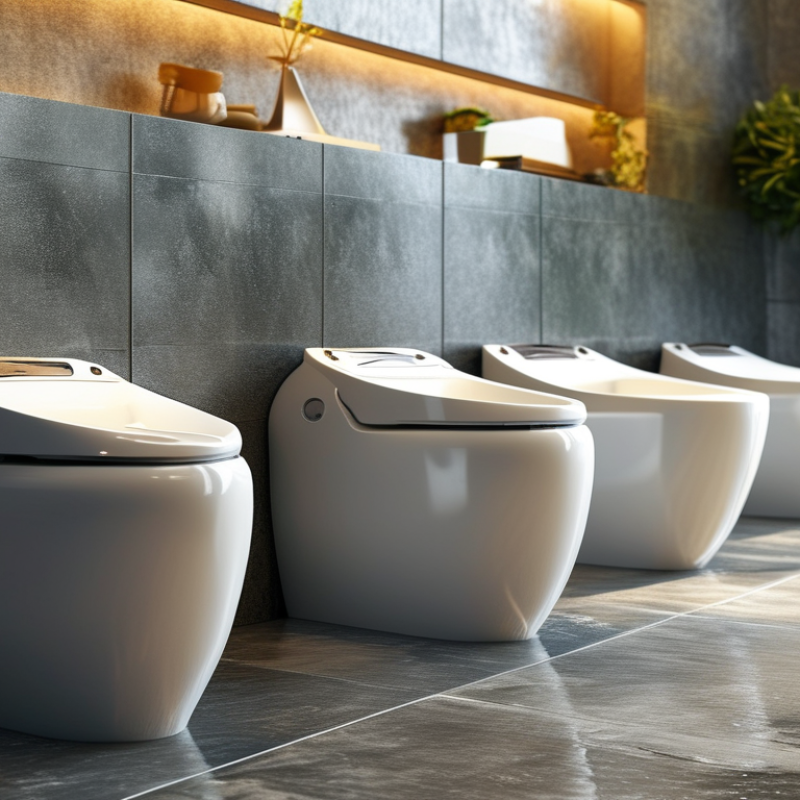
What is a Water Saving Toilet and How Does It Work?

Definition and Purpose of Water Saving Toilets

Water-saving toilets are designed to minimize water usage while maximizing efficiency. Their primary purpose is to reduce the amount of water consumed per flush. Traditional toilets can use up to 3.5 gallons or more per flush, which contributes significantly to water wastage. In contrast, water-saving toilets typically use around 1.28 gallons per flush, striking a balance between performance and sustainability.

These toilets operate by employing advanced flushing technology. They often feature dual-flush options, allowing users to select a lower volume for liquid waste and a larger volume for solid waste. This flexibility promotes conscious water use. While water-saving toilets are generally efficient, some users may find that they require more maintenance. Clogs can occur more frequently, and the flushing power may not meet everyone's expectations. It's essential to weigh the benefits against potential inconveniences when considering a switch to a water-saving model.

Mechanisms of Water Saving Toilets: How They Operate

Water-saving toilets utilize innovative mechanisms to reduce water consumption without compromising performance. These toilets typically employ dual-flush systems. Users can choose between a lower water volume for liquid waste and a higher volume for solid waste. This simple choice can lead to a reduction of approximately 30% in overall water usage per household, according to the U.S. Environmental Protection Agency (EPA).

Another effective design is the pressure-assisted flushing system. This mechanism uses pressurized air to force water into the bowl, resulting in a powerful flush with minimal water. Research shows that toilets with this technology can use as little as 1.28 gallons per flush, compared to older models needing 3.6 gallons. Such systems not only conserve water but also enhance the user experience by reducing the likelihood of clogs, which can increase maintenance needs.

However, not all water-saving toilets work perfectly for every user. Some people report that the reduced water levels can lead to concerns about cleanliness. Additionally, installation costs can be a barrier for some households, despite long-term savings on water bills. Balancing performance and water efficiency remains a challenge that manufacturers continue to face.

Types of Water Saving Toilets: Dual-Flush vs. Low-Flow

Water-saving toilets play a vital role in conserving water. Two major types are dual-flush and low-flow toilets. Both designs focus on efficiency but function differently.

Dual-flush toilets offer two flushing options: a lower volume for liquid waste and a higher volume for solid waste. This flexibility helps reduce water usage significantly. For example, using the low flush can save about 30% more water compared to a standard toilet. They can be slightly more expensive, yet they promote long-term savings on water bills.

Low-flow toilets, on the other hand, use gravity for flushing. They typically use 1.28 gallons per flush or less, compared to traditional toilets that use around 1.6 gallons or more. While they are cheaper upfront, their performance can vary. Some users find low-flow models less effective for solid waste.

Consider the layout of your bathroom when choosing a toilet. Ensure easy access to plumbing. Older toilet designs may not fit well with new low-flow models. Reflect on how often your household uses the toilet; a larger family may benefit more from dual-flush options. Proper maintenance is crucial to keeping any toilet functional. Regularly check for leaks, and ensure that the flushing mechanism works efficiently. Water-saving toilets can significantly impact your household’s water conservation efforts.

Impact of Water Saving Toilets on Household Water Consumption

Water-saving toilets are designed to reduce the amount of water used in each flush. Traditional toilets often use around 3.5 to 7 gallons of water. In contrast, water-saving models use as little as 1.28 gallons per flush. This significant reduction can substantially impact household water consumption.

By installing a water-saving toilet, families can save thousands of gallons of water annually. Some estimates suggest a reduction of up to 20% in water bills. This not only helps the environment but also leads to noticeable savings. However, the adoption of these toilets is not without challenges. Some homeowners may question the flushing power of low-flow models. They may worry about clogs or inefficiency. These concerns can deter people from switching to more sustainable options.

Transitioning to water-saving toilets requires education and advocacy. Many users feel overwhelmed by the technical specifications. Clear, reliable information can help dispel myths. Understanding the benefits and addressing common concerns can encourage more households to embrace these water-efficient alternatives.

Impact of Water Saving Toilets on Household Water Consumption

Water saving toilets significantly reduce water usage per flush compared to traditional toilets. On average, a traditional toilet uses about 12 liters per flush, while a water saving toilet only uses about 4 liters. This shift results in substantial savings in household water consumption over time.

Cost-Benefit Analysis: Installation and Savings Over Time

Water-saving toilets have become essential in modern bathrooms. These toilets are designed to use significantly less water while maintaining flushing efficiency. The average traditional toilet uses about 3.6 gallons per flush, while a water-saving model may use just 1.28 gallons. Over time, this reduction can lead to substantial savings on water bills.

Installing a water-saving toilet can have upfront costs. The initial investment varies based on the model and installation fees. However, the long-term benefits often outweigh these costs. Households can save hundreds of dollars annually on utility bills. It’s important to factor in the average lifespan of toilets, usually between 10 to 15 years. Proper maintenance can extend this lifespan, leading to even greater savings.

For homeowners considering a switch, here are a few tips. Look for toilets with the WaterSense label. They are certified for efficiency and performance. Check local plumbing codes, as some areas may require specific models. Remember, while the savings on water bills are enticing, the comfort and functionality of your toilet should not be compromised. Making informed choices can lead to better outcomes in the long run.

ENQUIRE NOW
close
Get In Touch

Use the form below to drop us an email if you have any question or comments.