How to Use a 20ft Shipping Container for Storage and Moving?

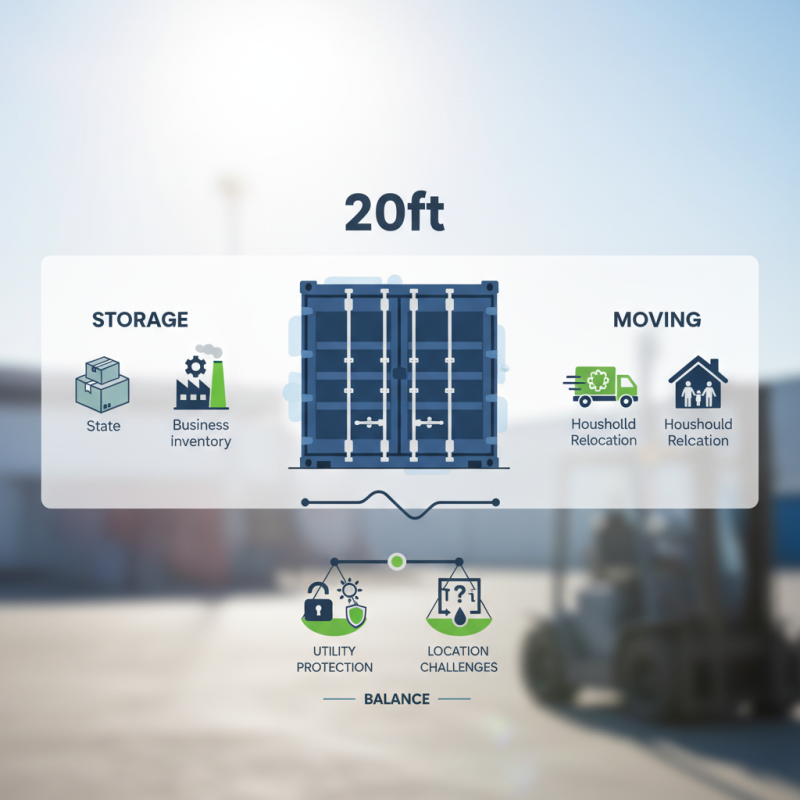
Using a 20ft shipping container for storage and moving can be a game-changer. Renowned expert in logistics, John Thompson, once stated, "A 20ft shipping container unlocks endless possibilities." It’s true. These containers are versatile and can be used in many ways.

Picture this: you have a small business and need extra storage space. A 20ft shipping container provides a perfect solution. Imagine loading your inventory securely, knowing it’s protected from the elements. On the other hand, moving house can be daunting. A 20ft shipping container simplifies the process. You can load your belongings at your own pace.

However, there are challenges. Not every location can accommodate a container. Also, proper ventilation is crucial to prevent moisture build-up. Reflecting on these details can help you maximize the benefits of a 20ft shipping container. It's about finding that balance between utility and practicality.
How to Use a 20ft Shipping Container for Storage and Moving?

Understanding the Dimensions and Capacity of a 20ft Shipping Container

A 20ft shipping container offers substantial space for storage and moving. Its dimensions typically measure 20 feet in length, 8 feet in width, and 8.5 feet in height. This means it holds around 1,170 cubic feet of cargo. Such capacity is ideal for various items, including furniture, boxes, and recreational equipment.

Loading the container requires careful planning. Some items may not fit as expected. For example, large furniture can take up more space than smaller boxes. It’s essential to stack and organize efficiently to maximize the space. You might discover that some areas of the container can be difficult to reach.

When using a shipping container for moving, weigh your options. Consider local regulations regarding placement. It’s often necessary to have a level surface for stability. Also, think about accessibility. You don’t want to find your container in a tight spot. This can lead to frustrations when loading or unloading your possessions.


Assessing Storage Needs and Benefits of Using a Shipping Container

When considering storage needs, a 20ft shipping container can be a versatile option. These containers offer ample space for personal belongings, seasonal items, and even business inventory. They're often more affordable than traditional storage units, making them a practical choice for many.

Using a shipping container also comes with distinct benefits. They are waterproof and durable, ensuring that your items are safe from the elements. However, heat and humidity can still affect some materials inside. Proper ventilation is vital. Without it, mold and mildew can become a concern over time. It's essential to inspect the container regularly for any signs of wear and leakage.

Assessing your specific storage needs is crucial before making a decision. Consider what you plan to store. Heavy items require a secure arrangement, while fragile ones need careful packing. Be mindful of accessibility too. You don’t want to stack items so high that retrieving something becomes a challenge. Reflect on your long-term goals and how the shipping container fits into your plans. This ensures you optimize its use effectively.

How to Use a 20ft Shipping Container for Storage and Moving? - Assessing Storage Needs and Benefits of Using a Shipping Container

Dimension Details
Length 20 feet (6.1 meters)
Width 8 feet (2.44 meters)
Height 8.5 feet (2.59 meters)
Volume 1,169 cubic feet (33.1 cubic meters)
Typical Weight Capacity Up to 48,000 pounds (21,772 kg)
Common Use Cases Storage, moving, temporary office space, onsite storage
Benefits Durable, weather-resistant, portable, secure
Cost-Effectiveness Lower than traditional storage options
Accessibility Easy access for loading and unloading
Security Features Lockable doors, sturdy construction

Best Practices for Packing and Organizing Items in a Container

When using a 20ft shipping container for storage and moving, packing matters a lot. Start by sorting items. Group similar things together. It helps in finding them later. Use boxes for smaller items. Label each box clearly. This way, you can quickly identify contents without guessing.

When loading the container, prioritize heavy items. Place them at the bottom. This creates a stable base. Lighter items should go on top. Use blankets or bubble wrap for fragile items. Pack them tightly to prevent shifting. If items are loosely packed, they can become damaged during transport.

Make use of every inch of space. Fill gaps with smaller items or packing materials. However, leaving too little room can lead to frustration. It’s crucial to find a balance. Take time to think about organization. An afterthought can make unpacking a hassle later.

Safely Moving a 20ft Shipping Container: Guidelines and Equipment

Moving a 20ft shipping container requires careful planning and the right equipment. Start by choosing a sturdy vehicle capable of safely transporting the container. Ensure it has a strong frame and enough power for the weight. It may feel daunting, but attention to detail is key.


Before moving, check the container's contents. Secure loose items and remove anything that might shift. Use tie-downs or blankets to cushion fragile items. When loading, keep a balanced distribution to avoid tipping during transit.


Tips: Use plywood sheets to create a stable base. This will help distribute weight evenly. Also, consider the route. Some roads may have low bridges or weight limits. Always measure height and width before moving. You might overlook a small detail that could cause issues. Reflection on your approach can lead to a smoother process.

Legal Considerations and Site Requirements for Container Placement

How to Use a 20ft Shipping Container for Storage and Moving?

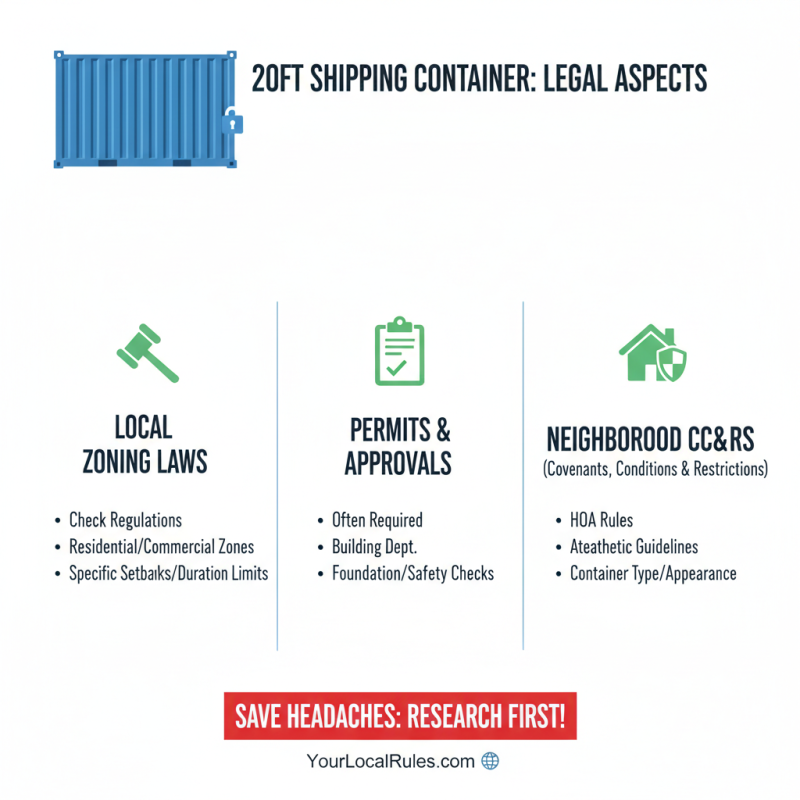
When considering a 20ft shipping container for storage or moving, legal aspects are crucial. Check local zoning laws. Some areas have strict rules about container placement. You might need a permit. Not all neighborhoods allow these containers. Researching these regulations can save you headaches later.

Placement is another concern. Ensure the site is level. Uneven ground can cause issues. Consider nearby structures and pathways. A container too close to your home might create problems. Access for delivery is also vital. Think about truck size and maneuverability. You don’t want a delivery delay.

Keep your container secure as well. Local crime rates could affect your choice of location. Simple locks may not be enough in some areas. Consider surveillance options. Planning for the long term is essential. Containers can be a great solution, but legality and safety come first.

ENQUIRE NOW
close
Get In Touch

Use the form below to drop us an email if you have any question or comments.