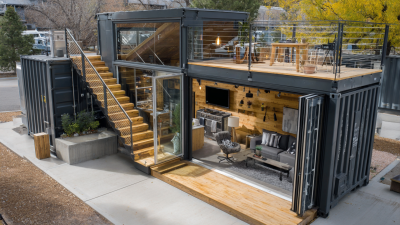
Top 10 Uses for 20ft Shipping Containers for Global Buyers?

The versatility of the 20ft shipping container has revolutionized industries globally. Recent industry reports indicate that the shipping container market is expected to reach $10 billion by 2025, demonstrating its growing importance. These containers serve multiple functions, from storage to innovative architectural solutions. However, with their immense utility comes the responsibility to utilize them sustainably.

Companies utilize 20ft shipping containers for a range of applications, which can impact local economies. Many organizations repurpose these containers for housing, commercial use, and temporary offices. This trend has led to an increase in modular constructions, enhancing urban flexibility. Yet, challenges remain. Not all containers meet safety standards, and improper modifications may lead to structural failures.

Understanding the potential and limitations of the 20ft shipping container is crucial. Buyers should prioritize quality and adherence to regulations. Engaging with reputable suppliers can mitigate risks and ensure that the containers are safe to use. This balance between innovation and responsibility shapes the future of shipping containers in global markets.
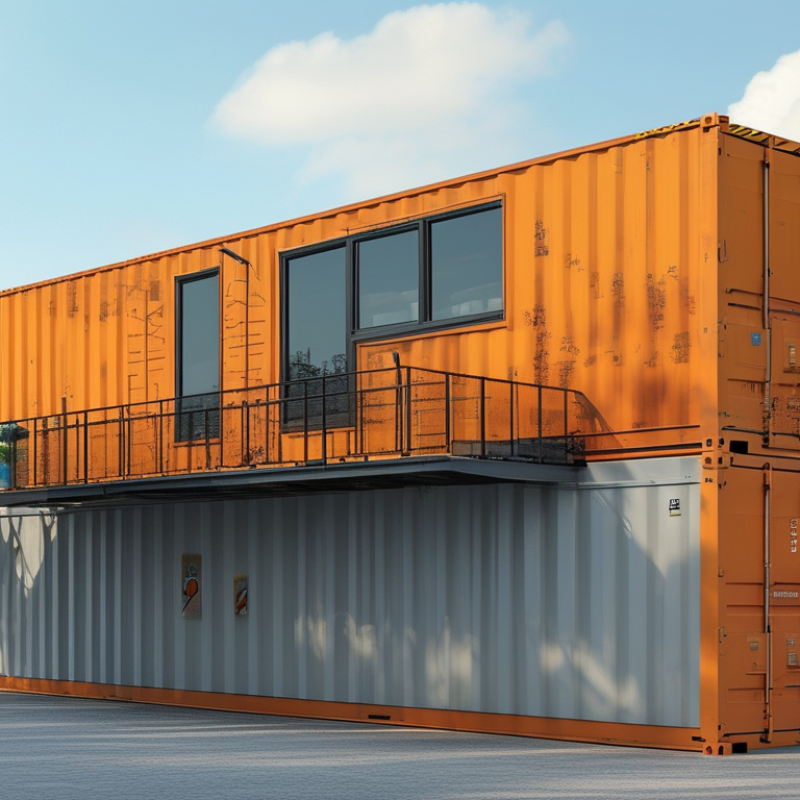
Top 10 Uses for 20ft Shipping Containers for Global Buyers?

Versatile Solutions: Understanding the 20ft Shipping Container

20ft shipping containers have become essential in various industries. Their durability and customizable features make them appealing for global buyers. According to a 2022 report from the International Maritime Organization, the demand for these containers has risen by 30% due to their versatility.

These containers serve multiple purposes, from temporary storage solutions to portable offices. In urban areas, converting a shipping container into a café is gaining popularity. Companies can reduce setup costs significantly. Moreover, a recent survey indicated that about 45% of small businesses are exploring container conversions. They appreciate the mobility and affordability these containers offer.

However, purchasing a shipping container is not without challenges. Buyers must consider factors like insulation, ventilation, and potential rust issues. The average lifespan of a shipping container is approximately 10 to 15 years. Regular maintenance is crucial to prolonging its life. It's easy to overlook these details in the excitement of acquiring a new space. Balancing creativity with practicality often requires thoughtful planning.
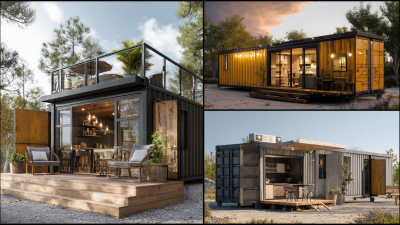

Innovative Storage Techniques for Residential Use

Shipping containers have revolutionized storage solutions in recent years. For residential use, a 20ft shipping container can serve multiple innovative purposes. Data from industry reports show that the container homes market is expected to grow by 5% annually, reflecting their rising popularity. These containers provide unique storage options, especially in urban areas where space is limited.

One effective technique is converting them into garden sheds or workshops. Homeowners can efficiently utilize external space to store tools or gardening supplies. Reports indicate that using shipping containers for storage saves up to 30% more space compared to traditional storage units. Additionally, these containers can be insulated to create temperature-controlled environments, perfect for art studios or hobby rooms.

However, there are challenges to consider. Some homeowners may struggle with the aesthetics of a shipping container in their backyard. Without proper design, containers can clash with residential architecture. It’s essential to think through the placement, color, and landscaping around the container. Furthermore, maintenance is crucial, as containers may rust or degrade if not cared for. These factors require strategic planning to ensure that the container serves its intended purpose without detracting from the overall property value.

Mobile Business Opportunities Created by Shipping Containers

Mobile businesses are thriving, thanks to shipping containers. According to a report by IBISWorld, the mobile food industry has seen a growth rate of 7.5% over the last five years. Many entrepreneurs turn 20ft shipping containers into food trucks or pop-up restaurants. These structures provide a cost-effective solution in urban areas. They can be customized quickly to meet local demands.

Shipping containers also serve as retail spaces. Retailers are increasingly using them for pop-up shops, allowing them to test new markets. A study showed that 62% of consumers respond positively to pop-up retail experiences. This method minimizes overhead while reaching potential customers directly. However, location remains critical; a poorly chosen site can limit visibility and sales.

Additionally, these containers can be converted into mobile offices or co-working spaces. As remote work grows, more individuals seek flexible work environments. Reports indicate that co-working spaces have increased by 24% annually. Yet, without proper insulation and ventilation, these spaces can become uncomfortable. Thus, thoughtful planning is essential. The opportunities are vast, but careful consideration is necessary for success.

Creative Construction and Housing Applications

Shipping containers have revolutionized construction and housing. These versatile structures offer innovative solutions for modern living. With a variety of design possibilities, they can meet different needs and preferences.

In urban areas, shipping containers can be transformed into stylish homes and efficient office spaces. Their durability makes them suitable for various climates. Many architects showcase creativity by stacking these containers to create multi-story buildings. Public spaces like cafes and community centers are also emerging from these containers. Each project presents unique challenges, inviting reflection on design choices and sustainability.

However, some drawbacks exist. Container modifications require careful planning. Insulation and ventilation must be addressed for comfort. Local building codes can complicate the construction process. Despite these hurdles, the potential for functional housing is immense. Each container project can inspire others to rethink traditional structures.

Eco-Friendly Practices Utilizing Shipping Containers

Shipping containers are versatile and eco-friendly. They offer a sustainable solution for various needs. One popular use is transforming them into homes. Container homes require minimal resources, making them an appealing choice for green-conscious buyers. These structures can be modern and stylish while using recycled materials.

Another effective use is to create urban gardens. Shipping containers can be converted into mobile garden spaces. They provide a controlled environment for growing vegetables and flowers. This method requires less soil and water, enhancing sustainability. It’s a creative way to utilize limited urban space.

**Tip:** Consider insulating your container garden to extend the growing season.

Containers also serve as offices or workspaces. This option promotes recycling and space efficiency. However, it's important to ensure proper ventilation. Without it, condensation can lead to mold issues. Choose well-ventilated designs to avoid these problems.

**Tip:** Always conduct regular maintenance checks on your container workspace. Keep an eye out for rust or structural issues.

Top 10 Uses for 20ft Shipping Containers

ENQUIRE NOW
close
Get In Touch

Use the form below to drop us an email if you have any question or comments.