In the world of logistics and transportation, steel shipping containers play a vital role. Their durability and versatility make them essential for global trade. Many buyers seek the best options in the market. There are various types of steel shipping containers available, each designed for specific needs.
Understanding the top choices can be challenging. Factors such as size, condition, and cost greatly influence a buyer's decision. The demand for high-quality containers is rising, particularly as businesses expand internationally. Chosen wisely, these containers can significantly enhance shipping efficiency.
Yet, not all containers are created equal. Some may have hidden structural issues or rust. Buyers should conduct thorough inspections. This approach helps ensure that investments are sound. Ultimately, selecting the right steel shipping container is crucial for success in today’s competitive marketplace.
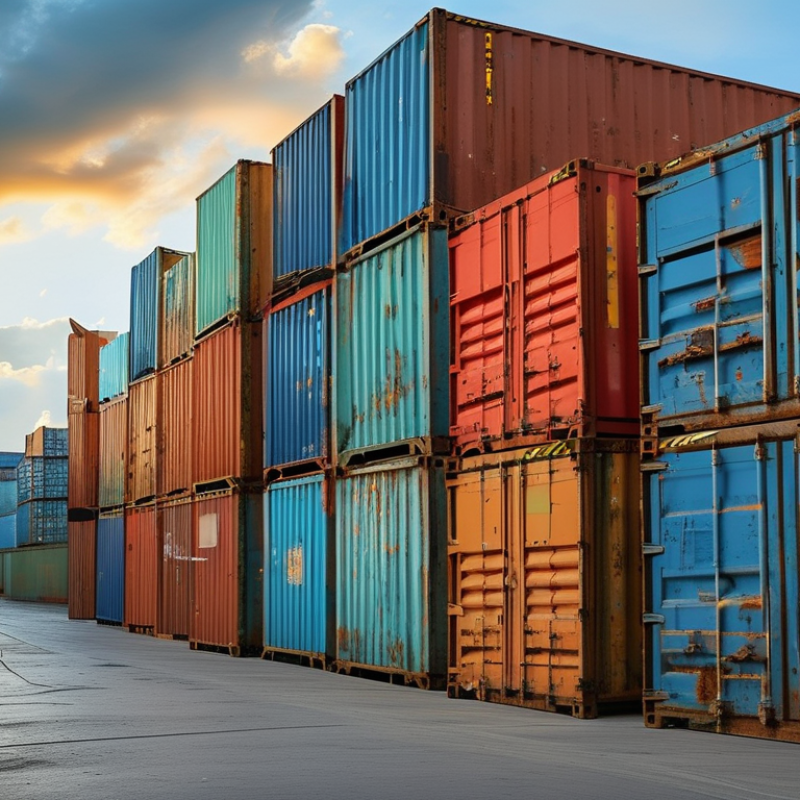
Steel shipping containers play a pivotal role in global trade. Their robustness makes them ideal for transporting a variety of goods. These containers are built to withstand harsh conditions during voyages. They are secure, protecting cargo from damage and theft. Using steel ensures durability over time, even in challenging environments.
The significance of steel containers extends beyond their physical structure. They contribute to efficient logistics and supply chain management. This efficiency is vital for businesses aiming to scale operations. However, they also present challenges. For instance, improper handling can lead to corrosion and rust. Additionally, the high demand for these containers can drive costs up.
Many industries rely on steel shipping containers. Their versatility allows for multiple uses, from storage to temporary housing. Yet, the environmental impact of producing and disposing of steel is a concern. It is crucial for stakeholders to actively seek sustainable solutions. The balance between usage and sustainability is an ongoing discussion in global trade.
| Container Type | Dimensions (ft) | Weight (lbs) | Capacity (Cubic ft) | Ideal Use |
|---|---|---|---|---|
| Standard Container | 20 x 8 x 8.5 | 4,850 | 1,169 | General cargo |
| High Cube Container | 40 x 8 x 9.5 | 8,000 | 2,694 | High-volume cargo |
| Reefer Container | 40 x 8 x 9.5 | 8,200 | 2,703 | Perishable goods |
| Open Top Container | 20 x 8 x 8.5 | 4,700 | 1,173 | Heavy machinery |
| Flat Rack Container | 40 x 8 x 8.5 | 5,950 | Empty space | Oversized cargo |
| Tank Container | 20 x 8 x 8.5 | 4,409 | 1,000 | Liquid transport |
| Ventilated Container | 40 x 8 x 8.5 | 8,000 | 2,694 | Agricultural products |
| Double Door Container | 20 x 8 x 8.5 | 4,850 | 1,169 | Easy access |
| ISO Container | 40 x 8 x 8.5 | 8,000 | 2,694 | International shipping |

Choosing the right steel shipping container involves several key features. Durability is paramount. The container must withstand harsh weather conditions and rough handling. Look for containers made from high-quality steel. Thickness matters. Thicker walls offer better protection for the contents.
Ventilation is another important consideration. Proper airflow prevents moisture buildup. This is essential for transporting goods sensitive to humidity. Containers with vents help maintain a stable environment. Additionally, check the locking mechanisms. Secure locks keep your cargo safe from theft and damage.
Size options also play a crucial role. Understanding your specific needs helps in selecting the right size. Standard sizes fit most requirements, but custom dimensions might be ideal for unique loads. Reflect on your transportation logistics. Consider how the container will fit into your shipping process. A well-chosen container enhances efficiency and minimizes transport risks. This decision deserves careful thought.
When diving into the steel shipping container market, understanding the top brands and manufacturers is essential for global buyers. These organizations have established a strong reputation for quality and durability. Leading manufacturers prioritize the construction process and materials used to ensure long-lasting containers. They typically employ advanced welding techniques to enhance structural integrity. Buyers should look for companies that offer warranties and are recognized by industry standards.
Choosing the right container can be challenging. Consider the intended use and size requirements. Inspect the steel’s thickness and condition meticulously. Some containers fit specific needs better than others. External rust or damages can indicate past misuse. Always evaluate the value based on usage, not just the price.
One notable aspect in the market is the growing demand for custom containers. Many brands are adapting to suit varied client requirements. However, custom options can lead to longer lead times. Patience is vital in this evolving sector. Understanding the market trends will help buyers make informed decisions. Engaging with industry professionals can provide valuable insights into the latest innovations.
This bar chart represents the market share percentage of the top 10 steel shipping containers. Each container is labeled with a placeholder name for anonymity, showing their respective market performance based on recent data analysis.
When considering steel shipping containers, different sizes and configurations play a crucial role in meeting specific logistics needs. The most common container type is the standard 20-foot unit, with a volume capacity of about 1,172 cubic feet. It's ideal for smaller shipments, making it a favorite among businesses. Conversely, the 40-foot container, offering approximately 2,390 cubic feet, is preferred for bulk transport. According to industry reports, these two sizes account for over 80% of global container traffic.
Available configurations expand the versatility of these units. For example, high-cube containers, which are one foot taller than standard versions, allow for more storage without increasing the footprint. Open-top containers are suitable for oversized cargo, providing additional loading options. A study noted that specialized containers, like refrigerated units, are critical for transporting perishable goods and can significantly affect delivery times and product quality.
Understanding the diverse specifications is paramount. Various container dimensions impact shipping costs and efficiency. It's essential to assess specific business transport needs and storage requirements. Consider the final delivery destination, as space and handling capabilities may differ. Everyday logistics challenges often require re-evaluation of container choices, leading to unexpected costs or delays.
Steel shipping containers are increasingly recognized for their environmental benefits. Made from robust materials, these containers can be reused and repurposed effectively. This reduces the need for additional resources. Their durability allows for a long service life, minimizing waste. However, the manufacturing process can be energy-intensive, raising concerns about the overall carbon footprint.
Recycling steel is a critical aspect of sustainability. When containers reach the end of their life, they can be melted down and remade into new products. This process significantly reduces waste and energy consumption. Yet, not all facilities prioritize these practices, leading to inconsistencies in recycling efforts. Moreover, inadequate recycling facilities may hinder the potential for repurposing steel.
Another concern is the transportation emissions associated with shipping. While containers are essential for global trade, the movement of these heavy items contributes to greenhouse gas emissions. Finding local solutions for container use could help mitigate this issue. By investing in regional supply chains, we can promote sustainability while supporting local economies. The path towards fully sustainable steel shipping containers requires ongoing effort and innovation.
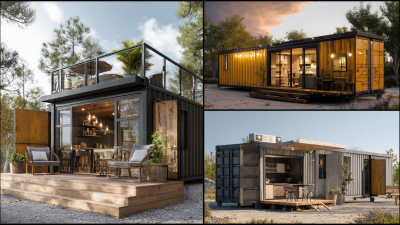
Are you still planning to build your shipping container home this year? How about you could save up to $5,000 in delivery costs towards your project?
With the Tiny Home Expos in Brisbane, Adelaide and Canberra in the coming months, we are offering FREE DELIVERY (*up to $5000) to each state the Expo is in, in exchange with using your project as a display at the show. Offer expires 8 weeks before each Expo and limited to ONE project per Expo ONLY so reach out to us now to secure your spot!
Enquire Now