What Are the Top Types of Shipping Containers in Adelaide?
Choosing among shipping containers adelaide suppliers offer starts with the cargo, site access, and intended use—not appearance alone. UNCTAD’s Review of Maritime Transport 2024 reported that global maritime trade grew by 2.4% in 2023, while containerized trade increased by 0.3%. That difference is a useful reminder: demand and suitability can vary by route and cargo. A standard 20-foot or 40-foot dry container may suit boxed stock, while a high-cube model offers extra internal height. Refrigerated, open-top, and flat-rack containers serve more specific needs, but each calls for checks on dimensions, equipment, and handling. Details matter.
For Adelaide buyers, the right comparison includes more than container type. The Australian Government’s Bureau of Infrastructure and Transport Research Economics publishes freight data in its Australian Infrastructure and Transport Statistics Yearbook, reflecting the importance of planning around real transport and handling needs. Before choosing, check measured dimensions, door clearance, payload information, condition, delivery access, and what the quote includes. A unit may look sound and still have a leaky roof or awkward doors. That is easy to overlook. There is no perfect shortlist for every job; even a familiar container can be the wrong fit when the site is tight or the cargo needs temperature control. Supplier documentation and a clear inspection help turn a quick choice into a more reliable one.
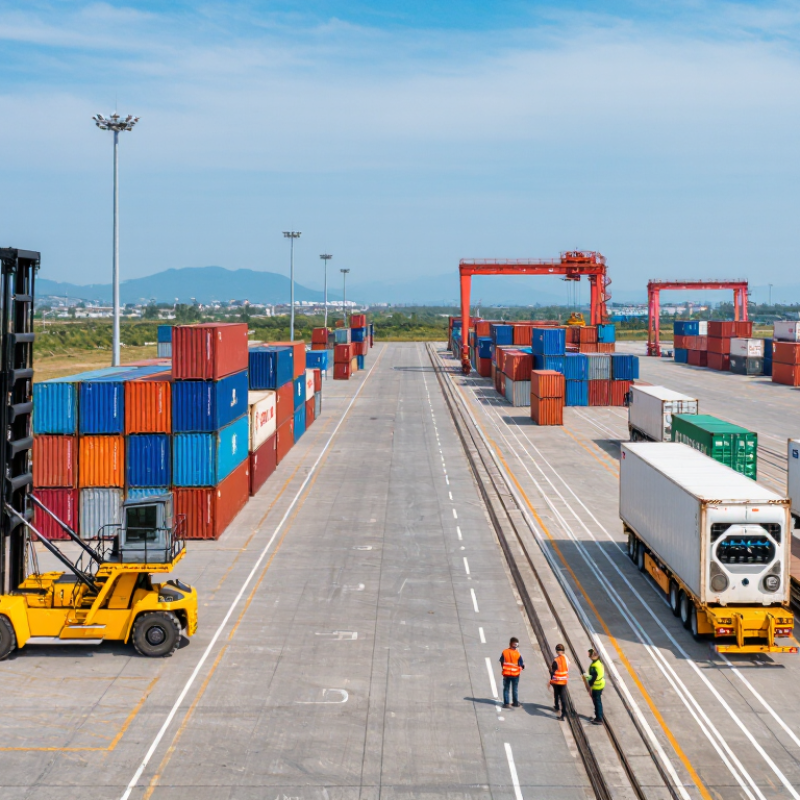
Standard Dry Shipping Containers and Their Common Uses
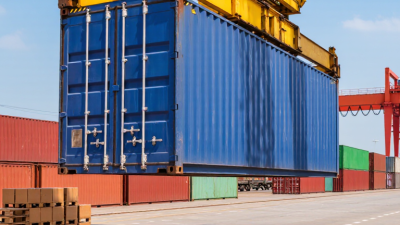
Standard dry shipping containers are enclosed steel units designed to keep ordinary cargo sheltered from rain, wind, and dust. In Adelaide, they are commonly used for household moves, business stock, tools, and building materials. A 20-foot unit suits many smaller storage needs, while a 40-foot unit offers more floor space for bulky items. Check the available site access before choosing a size; delivery trucks need room to position the container safely. That detail is easy to miss.
The double doors at one end make loading straightforward, especially when goods are packed on pallets or stored in labelled boxes. Keep frequently needed items near the doors, and leave a narrow aisle if you will access the contents regularly. A dry container is not climate-controlled. Adelaide’s summer sun can make the interior hot, so heat-sensitive goods may need different storage. Moisture can also collect inside when temperatures change, making ventilation and dry packing important.
For worksite storage, standard units can hold equipment, spare parts, and materials under cover. For a move, they can keep furniture and cartons together between locations. Before use, inspect the floor, door seals, locking bars, and roof for visible damage or leaks. Ask about the container’s condition and confirm that its dimensions fit the intended site. Even a sound unit can be inconvenient if it blocks a driveway or sits on uneven ground.
High-Cube Containers for Extra Storage Space
For Adelaide storage, a high-cube container offers extra vertical room compared with a standard-height unit. The additional height can help when storing tall shelving, stacked furniture, or bulky equipment that would otherwise need careful rearranging. More headroom also makes it easier to move items inside. That matters on a hot afternoon.
The usable internal dimensions vary by container, so check measurements before ordering. Measure your tallest items, including any pallets or protective wrapping. A high-cube unit may suit a small workshop or a renovation site, but it is not automatically the best choice. The added space can tempt people to stack too high, making access awkward and increasing the chance of items shifting.
Consider the site as carefully as the contents. The delivery area needs suitable access, a firm, level surface, and enough overhead clearance for placement. Leave room to open the doors fully. In Adelaide’s changing weather, stored goods may also need ventilation or moisture protection; a taller container does not prevent condensation. I would confirm the container’s condition and dimensions in person where possible. Photos can miss details. The extra height is useful, but only when the load and site actually need it.
Top Types of Shipping Containers in Adelaide: High-Cube Containers for Extra Storage Space
High-cube containers offer extra internal height and volume compared with standard-height containers of the same length. The figures shown are typical approximate internal volumes; exact capacity varies by container design and manufacturer. Check the specifications of the individual container before hiring or purchasing.
Refrigerated Containers for Temperature-Sensitive Cargo
For temperature-sensitive cargo in Adelaide, refrigerated containers help maintain a controlled environment during storage and transport. A reefer uses an integrated cooling system to keep goods within a selected temperature range. This can suit produce, dairy, flowers, and other cargo that needs consistent conditions. The right setting depends on the product, not just the weather.
Before loading, check the unit’s condition, temperature controls, door seals, and ventilation openings. Pre-cool the container when the cargo handling plan calls for it. Leave space between cartons and walls so chilled air can circulate. A tightly packed load may look efficient, but it can create warm pockets that are difficult to spot. Small gaps matter.
Adelaide’s hot days can place extra demand on cooling equipment, especially when a container sits in direct sun or loses power. Confirm the power connection and review temperature records during the journey. These steps reduce risk, but they cannot fix cargo that was loaded warm or packed poorly. That takes discipline. Even careful operators can overlook a blocked air channel, so a final walk-through is worth the time. A refrigerated container is a useful tool, not a guarantee of perfect conditions.
Open-Top and Flat-Rack Containers for Oversized Loads
For oversized cargo moving through Adelaide, open-top and flat-rack containers solve different loading problems. An open-top container suits tall machinery or equipment that must be lowered by crane. Its removable roof covering helps protect cargo, but it is not a rigid roof. Check cargo height, lifting points, and weather protection before booking. A flat rack has a reinforced floor and end structures, leaving the sides and top open. It can carry wide equipment, steel sections, or crated machinery that will not fit through standard container doors. Details matter.
ISO 668 defines standard series 1 container dimensions, but usable space and payload vary by unit and configuration. Confirm the container’s actual specifications, cargo weight, centre of gravity, and lashing plan with the carrier and freight professional. UNCTAD’s Review of Maritime Transport 2024 reports that seaborne trade reached about 12.3 billion tonnes in 2023. That scale makes careful cargo planning essential, though the figure does not predict space for any single shipment. Adelaide’s road access, lifting equipment, and final delivery route also affect the choice. A drawing can look simple; awkward overhangs often change the handling plan.
Specialty Containers for Adelaide’s Industrial Needs
Adelaide’s industrial work can require more than a standard enclosed container. Flat racks suit heavy machinery and awkward loads, while open-top units allow cranes to lower equipment from above. Refrigerated containers help protect temperature-sensitive goods, and tank containers carry compatible bulk liquids. Choose by cargo, handling method, and site access—not appearance alone.
UNCTAD’s Review of Maritime Transport 2024 reports that global maritime trade grew 2.4% in 2023. That wider growth highlights the importance of matching equipment to cargo and handling needs, though it does not measure Adelaide’s specialty-container demand. For local projects, check door clearance, ground conditions, crane reach, and access for delivery vehicles. A container that fits the cargo may still fail the site.
Tips: Measure the longest load and its lifting points before booking. Confirm payload limits and securement requirements with a qualified container provider. For refrigerated units, check power availability and temperature records. Small details matter. I have seen planning focus on the container while overlooking the unloading space; that is an easy mistake to repeat.
What Are the Top Types of Shipping Containers in Adelaide? - Specialty Containers for Adelaide’s Industrial Needs
| Container type |
Common formats |
Typical industrial uses |
Key considerations |
| Standard dry container |
Commonly 20 ft and 40 ft |
General freight, packaged materials, tools, machinery parts and weather-protected storage. |
A versatile enclosed option. Check door clearance, payload limits and whether ventilation is needed for the cargo. |
| High-cube container |
Commonly 40 ft; some 20 ft formats are also available |
Bulky or tall freight, lightweight goods and equipment that needs extra internal height. |
Typically about 1 ft taller than a standard-height container. Confirm site access and transport-height limits before delivery. |
| Refrigerated container |
Commonly 20 ft and 40 ft |
Temperature-sensitive food, ingredients, pharmaceuticals and other chilled or frozen cargo. |
Requires a suitable power supply while operating. Temperature capability depends on the refrigeration unit and cargo requirements. |
| Open-top container |
Commonly 20 ft and 40 ft |
Tall machinery, scrap, bulk materials and cargo that is easier to load from above by crane. |
A removable roof cover allows top loading. Check cargo height, lifting arrangements and weather-protection needs. |
| Flat-rack container |
Commonly 20 ft and 40 ft |
Oversized machinery, industrial components, vehicles and loads that exceed standard container dimensions. |
End walls may fold or be fixed, depending on the unit. Cargo needs suitable securing, lifting and transport plans. |
| Side-opening container |
Often available in 20 ft and 40 ft formats |
Long or bulky items, workshop supplies and stock that benefits from access along the container’s side. |
Side doors can improve loading access, but require clear space beside the container to open and handle cargo. |
| Double-door container |
Commonly 20 ft and 40 ft |
Materials or equipment that need access from both ends, including organised storage and through-loading applications. |
Allows access at both ends; plan for door swing, secure closure and safe loading at each end. |
| Tank container |
Typically a tank mounted within an ISO container frame |
Transport of suitable bulk liquids, including certain food-grade, chemical and industrial liquids. |
The tank, fittings and approvals must match the specific substance and transport requirements. Verify compatibility and handling procedures. |
Dimensions, payloads and equipment vary by unit. Confirm cargo requirements, delivery access and applicable transport or handling rules before choosing a container.