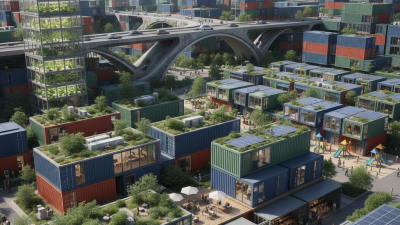
The innovative use of shipping container buildings has transformed the architecture landscape. In recent years, these structures have gained popularity due to their sustainability and design flexibility. According to a recent industry report, the global market for shipping container architecture is projected to reach $73 billion by 2026. This growth reflects a rising trend among both residential and commercial projects.
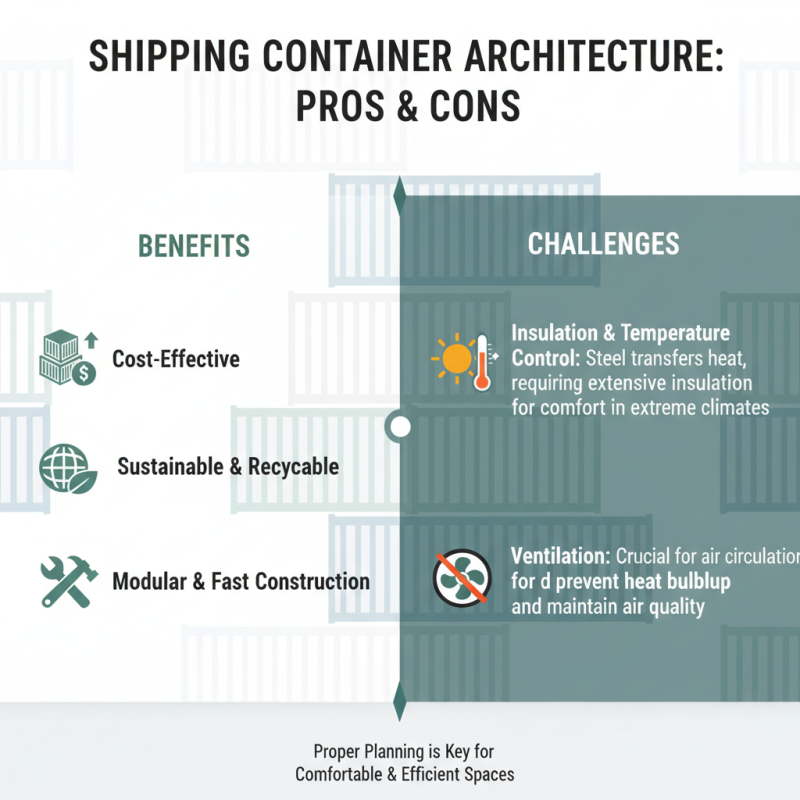
Shipping container buildings offer unique advantages. They are cost-effective and environmentally friendly. However, designing with shipping containers involves challenges, such as insulation and structural modifications. These factors require careful planning and creativity, which can sometimes lead to imperfect results. Architects need to embrace adaptation and exploration in their designs.
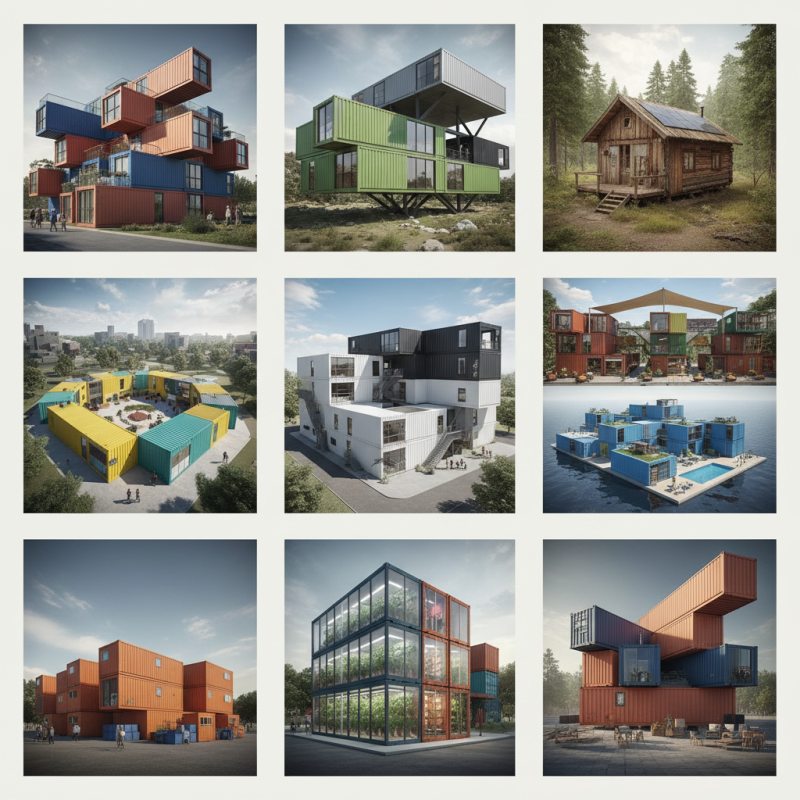
Today, we will explore ten inspiring shipping container buildings that highlight their versatility. Each example showcases innovative designs while also reminding us of the need for thoughtful execution. As the industry evolves, it is essential to reflect on both successes and shortcomings in this unique approach to modern living.
Shipping container buildings are gaining popularity. They are versatile structures made from repurposed shipping containers. This trend is transforming urban landscapes. According to the Container Solutions report, these buildings can reduce construction time by up to 40%. This efficiency makes them an attractive option for developers.
They offer significant environmental benefits. Using used containers helps in recycling. This approach minimizes waste. A study from the International Journal of Environmental Science shows that shipping container buildings can reduce carbon emissions by 70% compared to traditional construction methods. Incorporating sustainable practices is not just a trend; it is essential for our future.
Tips: Consider the design carefully. Container buildings can often be challenging to insulate. Ensure your project includes green technology like solar panels. Also, think about local climate conditions. They can impact your container's capabilities and comfort levels. Adapting designs to local needs can enhance functionality while addressing potential downsides.
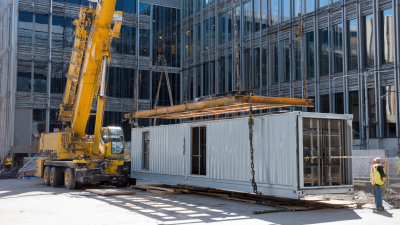
When selecting shipping container structures for your next project, consider the location. Think about climate, zoning laws, and accessibility. A well-placed container building can enhance its functionality. Check how these factors might impact your design and layout.
Another vital aspect is the condition of the containers. New containers may offer durability, but used ones can provide a unique character. Inspect the structural integrity. Look for rust or damage. Balancing cost with quality is essential. Aim for a solution that doesn't compromise safety.
Design flexibility is crucial too. Containers can be stacked, arranged, or modified. Your vision should align with their limitations. Explore creative options, but remember that innovations may lead to unexpected challenges. Reflect on past projects to avoid common pitfalls. Adjustments may be necessary as you refine your ideas.
| Project Name | Location | Type | Size (sq ft) | Unique Feature |
|---|---|---|---|---|
| Container House | Texas, USA | Residential | 2,000 | Green Roof |
| Container Restaurant | Melbourne, Australia | Commercial | 1,500 | Open Air Deck |
| Container Office | London, UK | Commercial | 3,000 | Hanging Gardens |
| Container School | Johannesburg, South Africa | Educational | 1,800 | Solar Panels |
| Container Hotel | Barcelona, Spain | Hospitality | 4,500 | Ocean View |
| Container Art Studio | Berlin, Germany | Cultural | 900 | Rotating Gallery |
| Container Marketplace | Tokyo, Japan | Commercial | 5,000 | Modular Stalls |
| Container Gym | Toronto, Canada | Recreational | 2,200 | Outdoor Workout Area |
| Container Community Center | Chicago, USA | Community | 3,500 | Eco-Friendly Design |
| Container Research Lab | Singapore | Research | 1,200 | Sustainable Materials |
Shipping container buildings are revolutionizing architecture. These structures often blend functionality with creativity. Imagine a vibrant café made from stacked containers, offering a rooftop garden. The design is not only eye-catching but also sustainable. Containers can be repurposed, reducing waste and construction costs.
Another striking example is a community center, featuring a series of interconnected containers. This design fosters social interaction and collaboration. Large glass walls allow natural light to flood in, making the space feel open and inviting. However, challenges often arise in terms of insulation and temperature regulation. Constructing a practical and efficient design takes careful planning.
A residential home crafted from shipping containers showcases compact living. It includes innovative storage solutions and a multi-use space. Yet, the design may feel cramped for some. Balancing aesthetics with functionality is crucial. Each project teaches valuable lessons. Embracing imperfections in design can lead to unique and inspiring outcomes.
Shipping container architecture is a remarkable blend of innovation and sustainability. These structures often use recycled materials, reducing waste in construction. This approach minimizes the ecological footprint and provides affordable housing options. Many designs incorporate solar panels, which harness renewable energy. This energy can power the building, making it more self-sufficient. Rainwater harvesting systems are also popular. They capture rain for irrigation or non-potable use.
Yet, while shipping containers are deconstructed and repurposed, there are challenges to consider. Insulation is essential for climate control, but finding effective methods can be tough. Some designs may compromise aesthetics for functionality. Open layouts might lack privacy, requiring careful planning. It's necessary to balance innovative designs with practical living needs. Addressing these issues can enhance the overall experience while embracing sustainability in the project.
Moreover, incorporating green roofs can support biodiversity. This additional layer can help regulate temperature inside the container. However, maintaining this greenery requires ongoing effort. Thoughtful design can achieve harmony between nature and structure. As we explore container architecture, embracing both its strengths and weaknesses can lead to more meaningful projects.
Building with shipping containers offers unique benefits, but it comes with challenges. One common issue is insulation. Containers are made of steel, which can trap heat. This leads to extremely hot interiors during summer. Proper insulation and ventilation are essential to maintain comfort. Many builders overlook this aspect, leading to uncomfortable living conditions.
Another consideration is structural integrity. While containers are durable, they may need modifications. Cutting openings for windows or doors can weaken them. It's crucial to consult structural experts when making alterations. Otherwise, it could compromise safety.
Zoning laws can also pose hurdles. Many areas have strict regulations regarding container homes. Researching local building codes is vital. Some projects have faced delays or added costs due to non-compliance. These challenges can be daunting, but with careful planning, they can be navigated effectively. Each obstacle learned from can lead to more innovative and successful designs.
Are you still planning to build your shipping container home this year? How about you could save up to $5,000 in delivery costs towards your project?
With the Tiny Home Expos in Brisbane, Adelaide and Canberra in the coming months, we are offering FREE DELIVERY (*up to $5000) to each state the Expo is in, in exchange with using your project as a display at the show. Offer expires 8 weeks before each Expo and limited to ONE project per Expo ONLY so reach out to us now to secure your spot!
Enquire Now