Global beauty and personal-care brands are reassessing how formulas survive shipping, storage, and daily use. airless packaging solutions help reduce formula exposure to oxygen, light, and repeated hand contact. This matters for vitamin creams, botanical serums, and preservative-sensitive emulsions.
Grand View Research identifies airless packaging as a growing segment, supported by premium skincare demand and longer product shelf-life expectations. Its market analysis also highlights pumps, bottles, and tubes as important formats. Smithers reports that packaging sustainability increasingly depends on material reduction, recyclability, and credible life-cycle evidence. These findings point toward a more practical question: does the package protect the formula without creating a difficult waste problem?
Pierre Puybaret, president of airless packaging specialist Lablabo, has described the purpose clearly: “Airless packaging is designed to protect the formula and deliver it to the consumer with minimal product waste.” That principle sounds simple. Execution is harder.
Global buyers must compare evacuation rates, dosage accuracy, barrier performance, refill options, and compatibility with viscous formulas. A heavy component can feel luxurious, yet increase transport emissions. A mono-material design may improve sorting, but still require suitable local recycling systems. Reports do not always agree on market size or sustainability impact. That uncertainty deserves attention, not polished marketing language.
The strongest airless packaging solutions combine laboratory testing, supplier traceability, and real-world dispensing trials. Buyers should test pumps at different temperatures, measure residual product inside the actuator, and inspect packages after international transit. Small details decide performance. One overlooked tolerance can create thousands of customer complaints.
Airless packaging protects formulas by limiting contact with air during dispensing. A piston or flexible pouch rises as product leaves the container. No dip tube is required. This design helps reduce oxidation, moisture exposure, and contamination from repeated finger contact. It suits creams, serums, lotions, and other sensitive formulations. The package also delivers controlled doses, which can make daily use cleaner and more consistent. That consistency matters during professional product development.
In practical evaluations, I check the actuator, seal, piston movement, and remaining product. A thick cream may need a wider opening or stronger dispensing force. A light serum may require tighter control to prevent unwanted flow. Material compatibility also deserves attention, because oils, acids, and fragrances can affect plastic components. Airless packaging is not preservation-free. It cannot correct an unstable formula or poor filling process. Testing remains essential.
Global buyers should examine performance under heat, cold, vibration, and pressure changes. A package that works well in a laboratory may behave differently during long-distance transport. I have found that small details matter, especially the first dose and the final few uses. Some containers leave a little product behind. That is an efficiency issue worth measuring. Recyclability can also be complicated when several materials are permanently combined. Clear specifications and sample testing reduce avoidable surprises.
Airless packaging is becoming a practical choice for formulas that dislike oxygen, light, or repeated finger contact. Grand View Research estimates the global airless packaging market could grow at about 6.7% annually through 2030. That growth reflects demand for cleaner dispensing and longer product usability.
Airless bottles suit lightweight lotions, serums, and liquid foundations. Their internal piston moves upward after each pump, leaving little air inside. A controlled dose also helps reduce overuse. Bottles are efficient. However, thick formulas may need stronger pumps and wider outlets.
Airless jars offer a familiar cream format with improved product protection. They work well for dense moisturizers and masks, although the actuator can feel less intuitive. Tubes are compact and travel-friendly. They handle viscous creams neatly, but shoulder material can trap residue. Airless dispensers provide precise dosing for professional or high-frequency use. They are useful beside sinks, treatment beds, and retail testers.
Packaging remains a compatibility decision. The same pump may perform differently with emulsions, gels, and anhydrous balms. Testing should measure dose accuracy, leakage, priming, and residual product after transport. Smithers identifies sustainability and material reduction as major packaging development pressures, but airless systems are not automatically low-impact. A complex multilayer structure can complicate recycling. That part deserves more scrutiny.
Top Airless Packaging Solutions for Global Buyers
Material selection determines whether airless packaging protects a formula or creates hidden risks. The OECD Global Plastics Outlook reports that packaging generated about 40% of global plastic waste in 2019. Buyers should therefore assess both product safety and end-of-life recovery. Polypropylene offers light weight and broad chemical resistance. Glass provides a strong barrier, but it increases transport weight and breakage exposure. For oxygen-sensitive formulas, multilayer structures may perform better, although recycling can become more difficult.
Testing must reflect real shipping conditions. Check compatibility with oils, alcohols, acids, and active ingredients. Measure dose accuracy after repeated pumping. Review seal performance during heat, cold, pressure, and vibration tests. Global compliance also requires documented material composition, traceability, and migration testing where applicable. Requirements differ across markets, even for similar products. ISO 18601 and related packaging standards can support a more consistent evaluation process. However, no material choice is universally perfect.
Tips: Request technical data sheets and declarations of compliance before sampling. Ask suppliers for recycled-content evidence and recycling guidance. Confirm whether pumps, springs, and mixed layers can be separated. The Packaging Association’s industry studies repeatedly show that collection systems strongly influence real recycling outcomes. A package may look recyclable, yet fail locally. That uncomfortable gap deserves attention before mass production.
| Airless Solution | Typical Material Structure | Best-Suited Product Types | Protection Performance | Global Compliance Considerations | Recycling and Sustainability Factors | Key Limitations |
|---|---|---|---|---|---|---|
| All-Polypropylene Airless Pump | PP container, PP piston, PP actuator and closure; elastomeric seals may be used in the pump. | Facial creams, lotions, sunscreens, serums and other medium-viscosity personal-care products. | High Limits repeated exposure to air and helps reduce oxidation, contamination and product drying during normal use. | Confirm food-contact or cosmetic-contact suitability where applicable. Review regional requirements such as EU Regulation (EC) No. 1935/2004 for food-contact applications, U.S. FDA requirements for applicable contact materials, REACH obligations and local cosmetic-packaging rules. Conduct extractables, leachables and compatibility testing for the finished formula. | A mono-material design can simplify mechanical recycling where suitable PP collection and recycling infrastructure exists. Actual recyclability depends on pump construction, labels, pigments, additives and local sorting rules. | PP may have limited resistance to selected solvents and essential oils. Formula compatibility must be verified, especially for aggressive actives and high-fragrance products. |
| PP Container with PE or Multi-Material Pump | PP or PE container combined with a pump containing PE, PP, POM, stainless steel or elastomer components. | General skincare, haircare, bodycare and products requiring a wider pump-design range. | High Provides controlled dispensing and good protection from routine air ingress; closure design strongly affects performance. | Validate every wetted component, including spring, gasket, piston and dip-tube materials. Check restricted-substance requirements, heavy-metal limits, colorant compliance and market-specific packaging labeling. | Mixed-material pumps can reduce sorting efficiency. Components should be designed for separation where practical, and recycling instructions should follow the destination market. | More components increase material complexity, quality-control requirements and the risk of interaction between the formula and elastomeric seals. |
| PE-Based Airless System | HDPE or LDPE/LLDPE container with compatible PE dispensing components; other materials may be present in the pump. | Viscous creams, gels, body products and formulas that require flexible or impact-resistant packaging. | Medium to High Good impact resistance and reliable dispensing for many water-based and emulsion products. | Confirm chemical compatibility with hydrocarbons, fragrances, oils and solvents. Review applicable regional substance restrictions and migration requirements for the intended use. | PE is widely used in packaging, but collection and recycling availability varies by country. A clearly identified material structure supports better end-of-life sorting. | PE can have higher gas permeability than some barrier structures, so oxygen-sensitive formulas may require a suitable inner layer or additional stability protection. |
| Barrier Airless System with EVOH Layer | Usually a PP or PE outer structure with an EVOH barrier layer and tie layers; pump components may be multi-material. | Oxygen-sensitive creams, active formulations, vitamin products and formulas vulnerable to odor or color change. | Very High EVOH provides strong oxygen-barrier performance when protected from moisture by the surrounding polymer structure. | Perform stability, migration and multilayer-structure testing on the final package. The barrier layer and tie layers should be documented for regulatory and recycling assessments. | Multilayer construction generally makes mechanical recycling more complex than a mono-material package. End-of-life claims should be based on the recycling capability of the target market. | Higher material complexity and cost. Barrier performance can decline if the structure is not properly designed for high-humidity conditions. |
| Glass Airless Container with Polymer Pump | Glass product reservoir with PP, PE or other polymer pump components; some designs use an internal piston or liner. | Premium skincare, low-volume active products and formulas where a rigid, high-perceived-value package is required. | Very High Glass provides an excellent barrier to oxygen and moisture and has broad chemical resistance for many formulations. | Confirm glass type, coating safety, closure compatibility and impact testing. For cosmetic or food-contact use, assess the complete container-closure system rather than the glass alone. | Glass can be recycled repeatedly where collection infrastructure exists. The pump, coating, decoration and attached components should be separated when required by local recycling guidance. | Heavier transport weight and greater breakage risk can increase logistics emissions, packaging requirements and total landed cost. |
| PCR-Content Airless Packaging | Post-consumer recycled PP or PE incorporated into the container or selected non-critical components; virgin resin may remain necessary for performance or contact layers. | Routine skincare, personal-care and household products where a reduced use of virgin plastic is a purchasing objective. | Medium to High Protection depends on the polymer grade, PCR quality, barrier design, color, odor control and formula compatibility. | Obtain recycled-content documentation, traceability records and supplier declarations. Verify applicable food-contact or cosmetic-contact rules, chemical restrictions and chain-of-custody requirements in each sales region. | Can reduce reliance on virgin resin, but recyclability and recycled-content claims must be supported by recognized calculation methods and local market conditions. | Batch-to-batch variation, odor, color fluctuation and reduced mechanical consistency may require tighter specifications and additional quality testing. |
| Aluminum-Decorated or Aluminum-Component Airless System | Polymer airless container with an aluminum shell, sleeve or decorative component; internal product-contact parts are typically polymer-based. | Premium products needing a metallic appearance, improved light shielding or enhanced shelf presentation. | High The outer metal component can improve light protection, while the airless mechanism limits routine air exchange. | Test coating integrity, corrosion resistance, metal-ion interaction and compatibility with acidic, alkaline or high-salt formulas. Packaging claims must distinguish decorative metal from the product-contact layer. | Aluminum has established recycling value, but separation from the polymer container and decorative coatings may be necessary for efficient recovery. | Additional material layers can increase weight, cost and disassembly requirements. Dents and surface damage may affect appearance during international transport. |
| Refillable Airless System | Durable outer case with a replaceable inner airless cartridge, commonly made from PP, PE or a multilayer polymer structure. | Repeat-purchase skincare, professional-use products and product lines designed around lower packaging consumption. | High The sealed refill cartridge maintains airless dispensing while the outer case is retained for multiple product cycles. | Validate the refill interface, leakage resistance, user safety, cleaning instructions and product-contact materials for every refill format. Packaging instructions must be clear in the destination language. | Potentially reduces packaging material per use when consumers reuse the outer case. Benefits depend on refill adoption, return rates, durability and the end-of-life route for each component. | Higher system complexity, additional consumer instructions and possible hygiene risks if the outer case is reused incorrectly or refills are not fully sealed. |
| Opaque or UV-Shielding Airless System | Opaque PP, PE or multilayer polymer package using pigments, coatings or an external sleeve to reduce light transmission. | Light-sensitive active ingredients, botanical extracts, color-sensitive formulas and products with UV-degradable components. | Very High for Light Protection Reduces visible and ultraviolet light exposure; actual performance should be confirmed through light-transmission testing. | Verify pigment and coating compliance, including restricted substances and migration limits. Consider colorant documentation and regional recycling-label requirements. | Dark pigments, coatings and sleeves may reduce sorting accuracy or recycled-resin value. Use the least complex structure that achieves the required light protection. | Opaque appearance prevents consumers from visually checking remaining product. Some pigments and coatings may complicate recycling claims. |
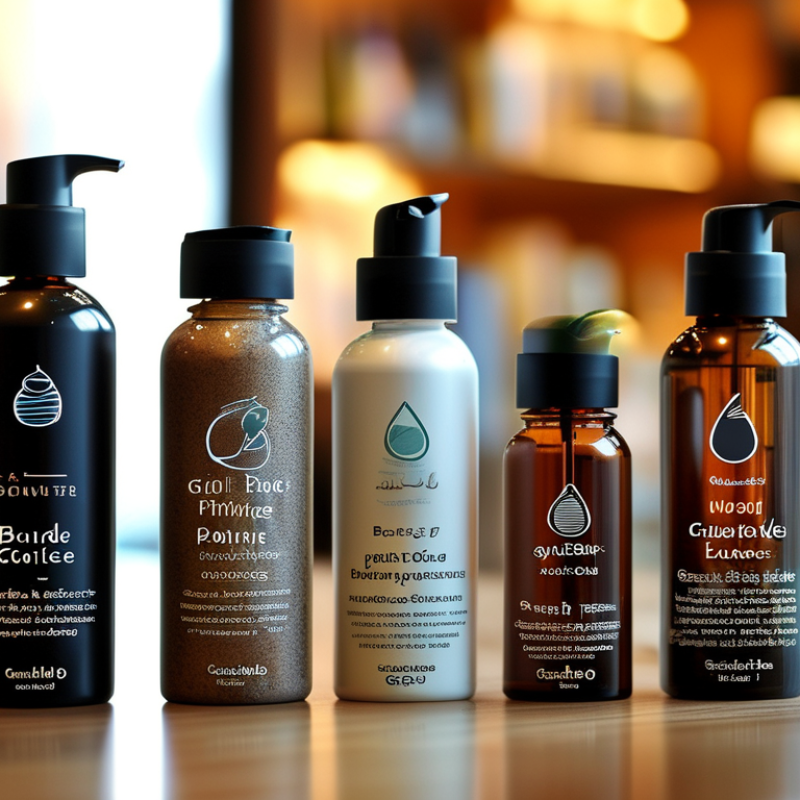
Buyer checklist: Before commercialization, request the full material specification, certificate of analysis, recycled-content evidence where relevant, safety data, restricted-substance declaration, compatibility results, package-performance test data, transport testing and market-specific recycling guidance. Regulatory acceptance should be confirmed for the finished container-closure system and the intended product category.
Choosing an airless packaging supplier requires more than comparing unit prices. In practical sourcing work, I check material specifications, production records, and response speed. A reliable supplier should explain pump output, container volume, actuator compatibility, and filling tolerances clearly. Ask for samples before discussing large orders. Test them with your actual formula, not only water. Thick creams may need different pump pressure. Poor matching can leave product trapped inside.
Customization should solve a real packaging problem. Suppliers may adjust colors, decoration, closure styles, bottle shapes, or dispensing volumes. Request a written drawing with dimensions and tolerance limits. Confirm whether custom tooling costs are refundable or separate. A beautiful prototype is not enough. I have seen samples perform well, then fail during repeated actuation. Include drop testing, leakage checks, vacuum performance, and at least several hundred dispensing cycles in the approval plan.
Quality depends on consistent systems. Look for incoming-material inspection, batch records, traceability, and documented corrective actions. Ask how defects are classified and reported. Order capacity also deserves careful testing. Confirm monthly output, minimum order quantity, production lead time, backup equipment, and packaging methods. Request a realistic capacity statement, not an optimistic promise. A supplier may accept an urgent order but lack enough pumps, decoration capacity, or trained inspectors. That risk should be discussed openly. Recheck assumptions. Great packaging can still fail when forecasting is careless.
Top Airless Packaging Solutions for Global Buyers
Planning sustainable airless packaging for international markets requires more than selecting a pump. Material choices must survive different climates, regulations, and recycling systems. The OECD’s Global Plastics Outlook reports that global plastic waste reached 353 million tonnes in 2019, while only 9% was recycled. This makes unnecessary material layers increasingly difficult to justify.
A practical airless solution should prioritize mono-material structures, detachable components, and clearly documented recycled content. Test the package at 5°C and 40°C before approving production. Check pressure, leakage, dosing accuracy, and product evacuation after transport vibration. International buyers should also request migration testing, recyclability evidence, and supplier-specific life-cycle data. The European Commission’s Packaging and Packaging Waste framework emphasizes reducing packaging volume and improving recyclability across markets.
Small details matter. A thick shoulder, hidden metal spring, or dark pigment may complicate sorting. Product compatibility can also require barrier materials, creating a difficult trade-off. A perfect package does not exist. The first design is rarely right. Teams should compare protection, material weight, and end-of-life performance together. Ellen MacArthur Foundation’s Global Commitment reports continue to show that packaging redesign needs measurable targets, not vague environmental language. Build a pilot batch, inspect every component, and revise before scaling globally.
Are you still planning to build your shipping container home this year? How about you could save up to $5,000 in delivery costs towards your project?
With the Tiny Home Expos in Brisbane, Adelaide and Canberra in the coming months, we are offering FREE DELIVERY (*up to $5000) to each state the Expo is in, in exchange with using your project as a display at the show. Offer expires 8 weeks before each Expo and limited to ONE project per Expo ONLY so reach out to us now to secure your spot!
Enquire Now