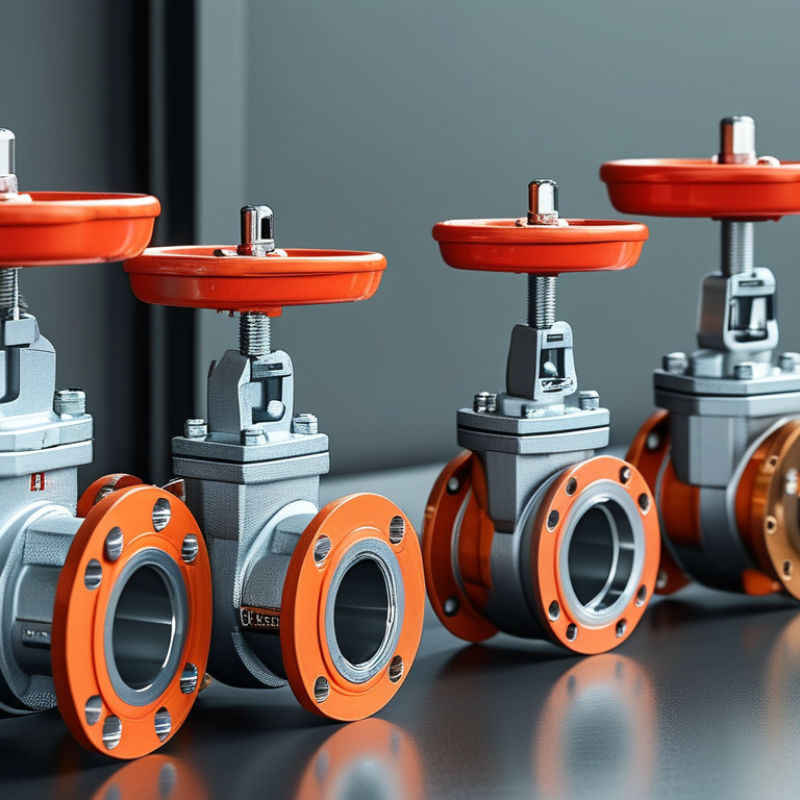
Top 5 Tips for Choosing the Right Gate Valve Fittings?
Choosing the right gate valve fittings is crucial for optimal performance and safety in various industries. According to John Smith, a leading expert in valve technology, "Selecting the correct gate valve fittings can prevent costly failures." His statement highlights the importance of informed decision-making in this area.
Gate valve fittings come in various types and sizes, making the selection process challenging. Each application may require specific materials and dimensions. Overlooking these details can lead to inefficiencies.
Moreover, understanding the compatibility of gate valve fittings with the existing system is essential. Mismatched fittings can create leaks or even system failures. Always consider these factors carefully to avoid future complications.
Understanding Different Types of Gate Valve Fittings
When selecting gate valve fittings, understanding the different types is critical. Gate valves typically come in several variations. The most common types include solid wedge, flexible wedge, and parallel slide. A solid wedge design is reliable for high-pressure applications, while flexible wedges are more adaptable to varying temperatures and pressures. Each type has its unique benefits and drawbacks.
Choosing the right fitting also involves knowing the materials used. Common materials include brass, stainless steel, and cast iron. Brass is corrosion-resistant and suitable for water systems. Stainless steel offers strength and durability, making it ideal for harsh environments. Cast iron is often used in larger systems but can be more prone to rust.
Ultimately, the choice depends on the specific application. It’s essential to assess pressure, temperature, and medium compatibility before finalizing your decision. Missteps in selection can lead to failures and leaks, costly issues down the line. Always consult with experts when in doubt. Gaining insight from industry professionals can significantly enhance your selection process.
Top 5 Factors to Consider when Choosing Gate Valve Fittings
Key Materials Used in Gate Valve Fittings and Their Applications
Gate valves are essential components in various piping systems. The materials used in these fittings greatly influence their performance and durability. Common materials include brass, stainless steel, and ductile iron. Each material has unique properties, making them suitable for different applications.
Brass gate valves are ideal for residential and low-pressure systems. They resist corrosion well and offer good sealing capabilities. However, they might not hold up under extreme conditions. Stainless steel valves, on the other hand, are robust and better suited for high-pressure and high-temperature environments. These valves resist rust and can endure harsh chemicals.
Ductile iron is often chosen for industrial applications due to its strength and durability. While it is heavier and may corrode over time, proper coatings can mitigate these risks. When selecting gate valve fittings, consider the specific demands of your system. Think about pressure, temperature, and the fluids being handled. A mismatch can lead to prolonged maintenance or failures. Always weigh the pros and cons of each material thoroughly.
Evaluating Size and Pressure Ratings for Gate Valve Selection
When selecting gate valve fittings, evaluating size and pressure ratings is crucial. The American Society of Mechanical Engineers (ASME) emphasizes that incorrect sizing can lead to inefficiencies and system failures. A detailed sizing guide would recommend measuring the inside diameter and ensuring compatibility with existing piping systems. For example, a valve with a diameter too small may restrict flow, causing pressure drops. Conversely, a valve that is oversized can lead to turbulence and increased wear.
Pressure ratings are equally important. The American National Standards Institute (ANSI) specifies standard pressure classes for gate valves. For instance, valves rated at 150 PSI might not handle peak loads in high-pressure systems. Selecting a valve that meets or exceeds the required pressure rating is essential. In practice, many professionals overlook this aspect, leading to costly repairs or replacements.
Reflecting on these considerations can enhance decision-making. Assess your application's specific needs. Additional factors, like temperature ratings and materials, should not be neglected, as they can impact longevity. Regular audits of gate valve fitting performance help identify potential issues before they escalate.
Identifying Quality Standards and Certifications for Gate Valves
When selecting gate valve fittings, quality standards and certifications are crucial. These standards ensure that the valves perform well under pressure and temperature variations. Look for industry norms like ASTM or ANSI that dictate material properties and manufacturing processes. Researching these standards can feel overwhelming, but it is essential for reliable functionality.
Check for certifications from recognized organizations. A valve with an ISO certification indicates a proven quality management system. This can greatly enhance the trustworthiness of the product. Testing certifications, such as those for pressure or temperature resistance, should also be reviewed. Understanding these certifications allows for better decision-making, ensuring the valves can withstand the specific conditions they'll face.
It's important to recognize that not all products will meet every standard perfectly. Some variables, like changes in manufacturing processes or material availability, can impact quality. Being aware of these nuances is vital. Don't just accept one certification or standard as sufficient. A more comprehensive understanding of quality can lead to a more informed choice in gate valve options. Knowledge and diligence are your best allies in this selection process.
Assessing Cost vs. Performance in Gate Valve Fittings Choices
When selecting gate valve fittings, cost and performance are crucial factors. According to a report by the Global Valve Market, approximately 30% of companies face unexpected costs related to valve malfunction or replacements. Balancing these costs with performance metrics is essential for a successful choice. Gate valves are primarily evaluated on factors such as pressure rating, temperature range, and material compatibility.
The material of the valve directly influences its lifespan and maintenance costs. For example, brass fittings may be cost-effective initially, but they can lead to increased failure rates in high-pressure applications. A study by the Institute of Mechanical Engineers indicates that high-performance stainless steel valves tend to last 20% longer than their brass counterparts. This longevity translates to reduced maintenance and replacement expenses over time.
However, performance does not always correlate with the highest upfront cost. Lesser-known manufacturers may offer competitive pricing and reliable performance. Evaluating warranty policies and customer reviews could reveal hidden gems in the market. Some companies find that investing a bit more initially leads to substantial savings in the long run. Balancing these variables requires careful analysis and experience, making informed decision-making critical for long-lasting solutions.