Choosing the right equipment is crucial at trade fairs. Special Pallet Trucks play a key role in logistics. At the 139th Canton Fair, these trucks will showcase advanced features and designs. Buyers need to identify quality suppliers among the vast array of choices present.
The fair runs from April 15 to May 5, 2026, featuring three key phases. Each phase targets different industries, including advanced manufacturing and home goods. Utilizing AI smart search and navigation greatly enhances the buying process. However, the abundance of options can be overwhelming for many. It’s essential to focus on specific criteria.
Reflecting on the selection process is vital. Buyers must consider certifications like ISO and CE. The efficiency of navigating over 1.5 million square meters should not overshadow thoughtful choices. Investing in Special Pallet Trucks requires careful consideration of features and supplier reliability. Make a plan, prioritize needs, and don't rush. Embrace the opportunity to learn and refine your choices.
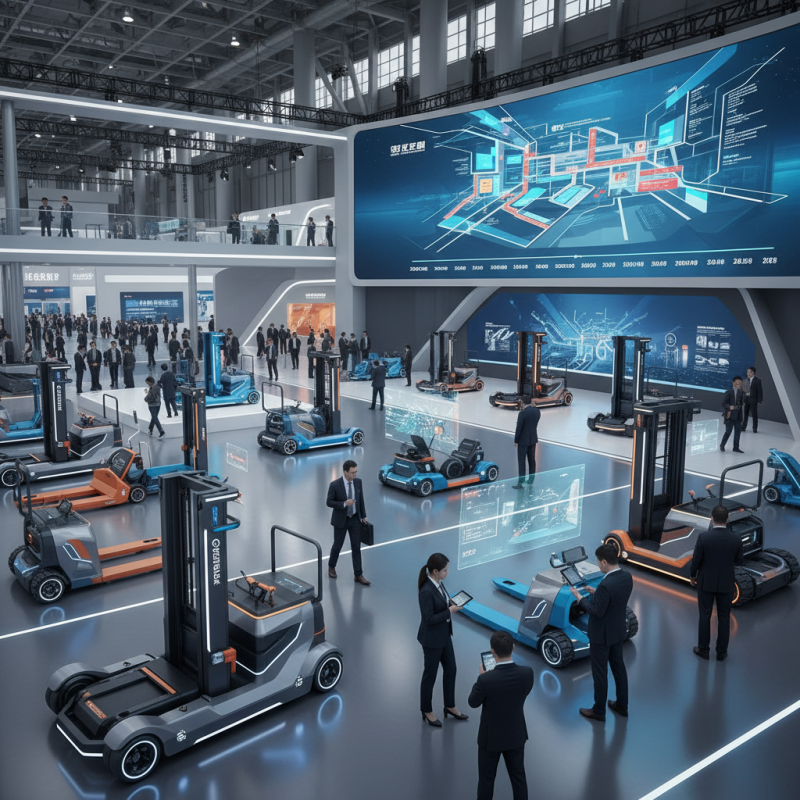
When attending the Canton Fair, it's crucial to understand different types of pallet trucks. Various models serve distinct purposes. For instance, manual pallet trucks are cost-effective. They require human effort and are ideal for small warehouses. Electric pallet trucks, on the other hand, make heavy lifting easier. They save time and reduce the physical burden on workers.
Next, consider the size of the pallet truck. It should fit the specific pallets used in your operations. Narrow trucks can navigate tight aisles, while wider ones handle more weight. Additionally, assess the lifting capacity. Can it handle your heaviest loads? In practice, these choices are often not as straightforward as they seem. A truck seeming perfect might falter in real-world situations.
Another factor is the wheel type. Hard wheels are great for smooth surfaces, whereas softer wheels provide better traction on uneven ground. Don't overlook the importance of maintenance needs too. Easy-to-service models save money in the long run. Yet, many overlook this aspect. A well-informed choice can prevent future headaches.
When selecting special pallet trucks at the Canton Fair, focus on key features. The weight capacity is crucial. Consider your products' average weight. Many trucks can handle 1 to 3 tons, but check specifications. A truck with a higher capacity can save you headaches later.
Another feature to observe is the wheel material. Solid rubber wheels are common. They offer durability and reduced maintenance. However, they can be noisy on certain surfaces. If quieter operations are essential, investigate polyurethane wheels. They are softer and provide a smoother ride.
Ergonomics is often overlooked but matters greatly. Look for a truck with an adjustable handle. This allows different users to operate it comfortably. Don’t ignore the lifting mechanism. Hydraulic systems are popular, yet some users find them inconsistent. Make sure to test them in person. This step can reveal a truck's true performance under load.
| Feature | Description | Importance |
|---|---|---|
| Weight Capacity | Indicates the maximum weight the truck can handle safely. | Critical for safety and efficiency. |
| Trolley Size | Determines the dimensions of the pallet that can be accommodated. | Essential for compatibility with different pallet sizes. |
| Maneuverability | Refers to how easily the truck can be pushed or pulled. | Important for navigating tight spaces. |
| Material Quality | Indicates the durability and lifespan of the pallet truck. | Affects long-term investment value. |
| Wheel Type | Different types (rubber, polyurethane, etc.) offering varied floor protection. | Crucial for floor surface compatibility. |
When selecting special pallet trucks at the Canton Fair, evaluating load capacity and size requirements is essential. Load capacity determines how much weight the truck can safely handle. Overloading can lead to accidents and equipment failure. Assess your typical loads before making a choice.
Size is just as critical. Consider both the dimensions of the pallets and the operating environment. A too-large truck may not fit in tight spaces. Conversely, a small truck might not support your loads. Always measure before buying. It’s wise to account for future needs as well.
Here are a couple of tips to consider. Check the turning radius of the truck. A wider radius could restrict movement in narrow aisles. Also, think about wheel material. Different surfaces require different types of wheels. Sometimes, we overlook these details until they become issues. Adjusting our choices based on specific conditions can save time and improve efficiency.
Maintaining pallet trucks is essential for improving their lifespan. Regular inspections can help identify issues before they escalate. According to industry reports, proper maintenance can extend equipment life by up to 30%. Regularly check wheels, hydraulic systems, and forks for wear and tear. Issues here can lead to inefficient operation and potential safety hazards.
Using the right lubricants is crucial. Many operators neglect this step, resulting in increased friction and wear. Studies show that well-lubricated parts can reduce energy consumption by 20%. Furthermore, operators should clean the trucks regularly to prevent dirt build-up, which can damage moving parts. Proper cleaning can save costly repairs later.
Operators often overlook the importance of training. Untrained staff might misuse pallet trucks, leading to accidents and damage. Investing in training can improve not only safety but also operational efficiency by up to 25%. Repairing or replacing damaged trucks can be expensive, making proper training even more vital. Always prioritize proper care to ensure longevity.
Choosing the right pallet truck can be challenging, especially at an event like the Canton Fair. Cost-effectiveness is often a primary concern for buyers. Evaluating prices and evaluating quality can help make informed decisions. Various models on display may vary in price but have similar functionalities. It’s essential to understand your budget and the specific features you require.
While some trucks may seem visually appealing, they might not be the best choice for your operations. Pay attention to the materials and construction quality. A low price may indicate lower durability. It's wise to prioritize functionality over style. Don't forget: heavy-duty options typically come at a premium. Consider how often you will use the truck and what capacities you will need.
Explore different vendors to find the best deal. Engaging in discussions can provide insights into what factors influence pricing. Reflect on the long-term benefits versus immediate costs. A more expensive option may save you money in maintenance later on. Look for trucks that come with warranties; this can be an indicator of reliability. Trust your instincts and don’t rush the buying process.
Are you still planning to build your shipping container home this year? How about you could save up to $5,000 in delivery costs towards your project?
With the Tiny Home Expos in Brisbane, Adelaide and Canberra in the coming months, we are offering FREE DELIVERY (*up to $5000) to each state the Expo is in, in exchange with using your project as a display at the show. Offer expires 8 weeks before each Expo and limited to ONE project per Expo ONLY so reach out to us now to secure your spot!
Enquire Now