What is a Storage Container Office? Benefits, Uses, and Cost Explained
In recent years, the concept of a "storage container office" has gained significant traction in various industries, serving as a versatile solution for modern workspace requirements. According to industry expert John Mitchell, a leading architect specialized in modular designs, "Storage container offices provide a unique blend of functionality and sustainability, effectively meeting the needs of businesses looking for flexible workspaces." As companies increasingly seek innovative ways to optimize costs and enhance productivity, the adoption of storage container offices has emerged as a smart alternative to traditional office spaces.
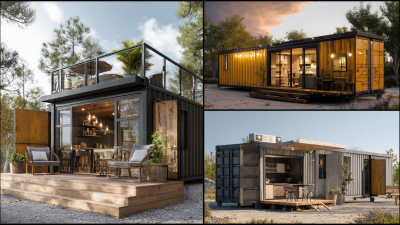
These functional units, repurposed from shipping containers, offer a range of benefits, including mobility, durability, and customization options. Organizations can easily relocate these structures to different sites or adapt their interiors to suit evolving operational demands. Whether for remote work sites, temporary project offices, or permanent installations, the versatility of storage container offices makes them an attractive choice for forward-thinking businesses.
Furthermore, the cost-effectiveness of converting shipping containers into offices is appealing in today's economy, where businesses are looking for ways to maximize their investments. The rise in popularity of storage container offices reflects a broader trend towards innovative, sustainable, and adaptable solutions in the commercial real estate landscape, making them a topic worthy of exploration in this discussion.

What is a Storage Container Office? An Overview of Its Purpose
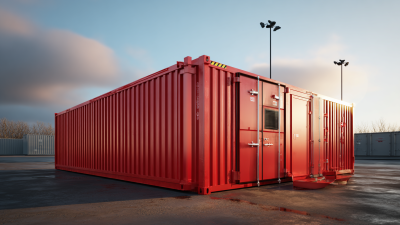
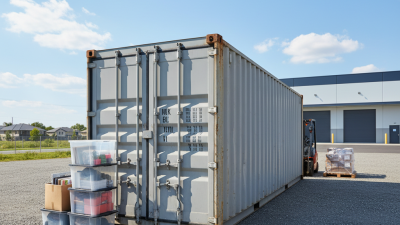
A storage container office is a versatile solution that repurposes standard shipping containers into functional office spaces. These innovative structures provide a unique option for businesses seeking portable and cost-effective work environments. According to a report by the Modular Building Institute, the modular construction market, which includes storage container offices, is expected to grow by 6.4% annually from 2021 to 2027. This growth underscores the rising demand for adaptable workplaces that can be quickly assembled and disassembled as needed.
One of the primary benefits of a storage container office is its affordability. Companies can save up to 50% compared to traditional office construction while gaining the flexibility to relocate as required. Additionally, storage container offices can be modified to suit specific needs, including insulation, plumbing, and electrical installations, making them suitable for a wide range of industries from construction sites to urban startups.
**Tips:** When considering a storage container office, evaluate the site’s accessibility and local zoning regulations to ensure compliance. Furthermore, think about insulation and HVAC options to maintain a comfortable working environment year-round. Lastly, plan for aesthetic enhancements—such as windows and doors—that can improve natural light and overall appeal.
Key Benefits of Using Storage Container Offices in Various Industries
Storage container offices have emerged as a versatile solution for various industries, offering a range of benefits. One of the key advantages is their mobility; these units can be easily transported to different job sites, making them ideal for construction companies and event organizers who require temporary workspace. Additionally, storage container offices are often more affordable than traditional office spaces, allowing businesses to allocate funds to other critical areas while still providing a functional working environment.
Another significant benefit is the durability and security that storage containers offer. Constructed from steel, they are designed to withstand harsh weather conditions, ensuring safety for both employees and equipment. Moreover, these offices can be customized with insulation, windows, and air conditioning, providing a comfortable workspace for staff. Many industries, from education to healthcare, are now utilizing storage container offices to create efficient, cost-effective, and adaptable workspaces that meet their evolving needs.
Common Applications and Use Cases for Storage Container Offices
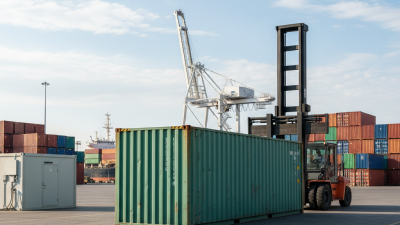
Storage container offices have become increasingly popular due to their versatility and practicality in various settings. One common application is in construction sites, where these repurposed containers provide temporary, yet secure workspaces for project managers and engineers. Their mobility allows construction companies to set up offices on-site, ensuring efficient communication and quick decision-making without the need for permanent infrastructure.
Another use case for storage container offices is in educational institutions. Schools and colleges often face space constraints and can utilize these containers as additional classrooms, administrative offices, or even storage areas. The adaptability of container offices makes them ideal for institutions looking to expand their facilities without significant expenditure on traditional building methods. Furthermore, many organizations opt for container offices for remote work sites, farming operations, and event management, showcasing their diverse applications across different industries.
Storage Container Office: Benefits and Uses
Cost Breakdown: Factors Affecting the Price of Storage Container Offices
When considering the cost of storage container offices, several key factors come into play. First, the condition of the container—new or used—significantly influences pricing. New containers typically cost more due to their pristine condition and longer lifespan, while used containers may offer a more budget-friendly option, albeit with potential wear and tear that could require repairs.
Another essential factor to consider is customization. Businesses often seek to modify these containers to fit their specific needs, such as adding windows, insulation, or electrical systems. Each of these upgrades can increase the overall cost.
Additionally, the location of the purchase can also affect pricing due to transportation costs; for instance, delivery fees can vary based on distance from the supplier to the installation site. Understanding these factors can help in budgeting for a storage container office that meets both functional requirements and financial constraints.
Comparative Analysis: Traditional Office Spaces vs. Storage Container Offices
When comparing traditional office spaces to storage container offices, the most significant distinction lies in
flexibility and cost-effectiveness.
Traditional offices typically involve long-term leases, high rent, and maintenance costs, making them less adaptable in fluctuating markets.
In contrast, storage container offices offer a modular design that allows businesses to expand or reduce their workspace as needed,
thereby lowering financial risks and accommodating growth without substantial capital outlay.
Another key difference is the speed of setup and deployment.
A traditional office often requires extensive renovations and waiting times for occupancy, which can hinder a company's ability to respond to immediate needs.
Storage container offices, however, can be customized and assembled quickly, enabling businesses to move into operational spaces much faster.
Furthermore, these containers can be relocated easily to suit changing project requirements or business locations, providing an agile solution that aligns well with modern work environments.