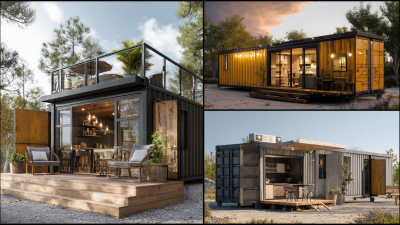
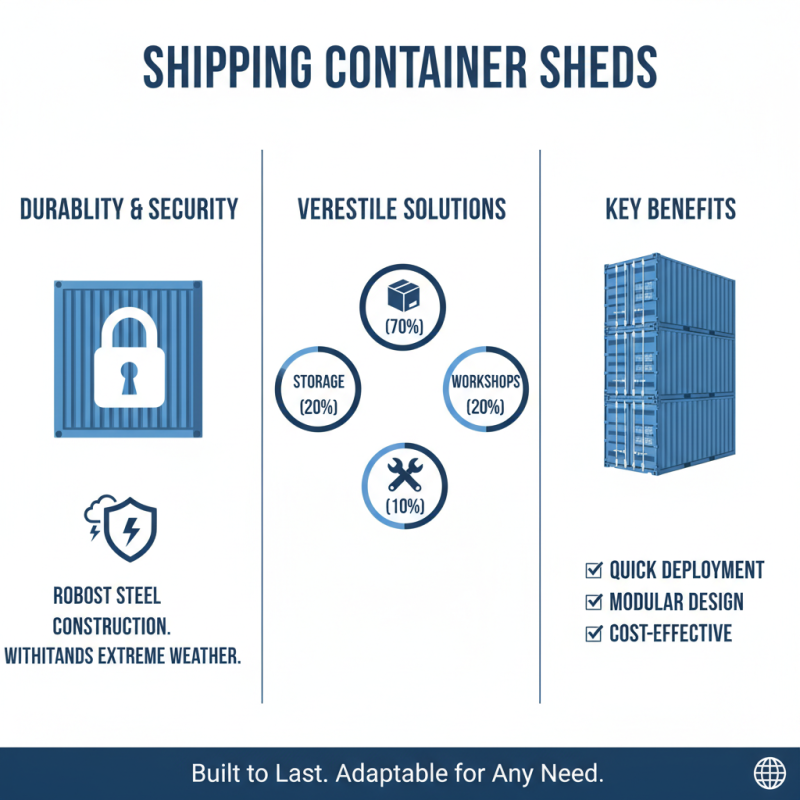
Shipping container sheds are becoming increasingly popular for various uses. These versatile structures offer innovative storage solutions and can be customized for different needs. They serve as excellent workshops, home offices, or even creative art spaces. The idea of transforming a simple shipping container into a functional shed is appealing to many.
What are the benefits of shipping container sheds? They are often durable, weather-resistant, and surprisingly affordable. Unlike traditional sheds, they provide a secure environment for your belongings. Their stackable design can maximize space when necessary. However, some may find it challenging to properly insulate these containers or adapt them to specific climates.
Despite their many advantages, shipping container sheds can present unique challenges. Finding the right location is essential. Ventilation and lighting must be taken into account during setup. Additionally, the aesthetics of a raw container may not suit everyone's taste. It's important to weigh these factors before investing, ensuring the shed aligns with your vision and needs.
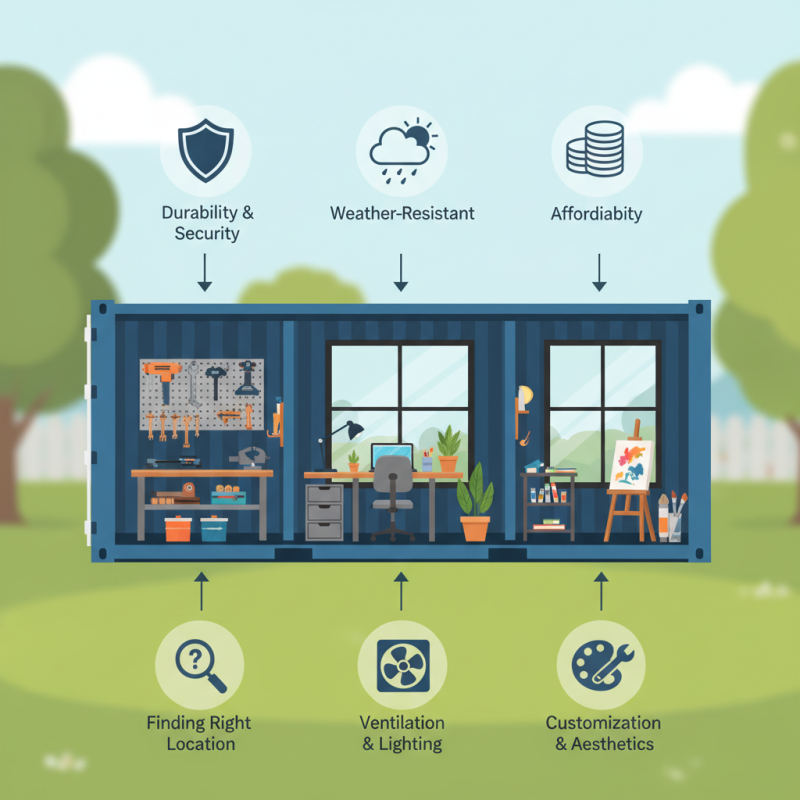
A shipping container shed serves as a practical solution for various storage needs. Constructed from durable steel containers, these sheds offer robust protection against weather conditions. They come in different sizes, making them suitable for both personal and commercial use. Many find them a great alternative to traditional wood or metal sheds.
These sheds can be customized easily. You can add windows for natural light. Insulation may keep your equipment safe in cold weather. Lighting fixtures can transform the container into a cozy workspace. Remember, a well-placed container can also enhance your property’s aesthetic.
Tips for optimizing your shipping container shed:

Shipping container sheds offer a versatile solution for various needs. They are built from robust steel containers, ensuring durability and security. These sheds can withstand extreme weather. Reports indicate that 70% of container sheds are used for storage, while the rest serve as workshops or offices.
One key feature is their cost-effectiveness. Building a traditional shed can be expensive. A shipping container shed often costs 30% less, making it appealing for many. Their mobility is another advantage. They can be relocated easily, adapting to changing needs. This flexibility attracts those in industries like construction and agriculture.
Containers are eco-friendly too. They promote recycling by repurposing old containers. A study shows that using shipping containers reduces carbon footprint by 20%. Despite these benefits, some users may face challenges. Over time, rust can develop if not properly maintained. Insulation is often needed in extreme climates, adding to potential costs. These are factors to consider when choosing a shipping container shed.
Shipping container sheds have gained popularity in recent years. These versatile structures offer numerous benefits for both personal and commercial use. Industry reports suggest that over 50 million shipping containers are currently available worldwide. This large supply provides cost-effective solutions for various storage and workspace needs.
One major benefit of shipping container sheds is their durability. Made of weather-resistant steel, they can withstand harsh conditions. According to a study, these containers have a lifespan of 25 years or more with minimal maintenance. They are also eco-friendly, as reusing shipping containers helps reduce waste. Many companies are looking to green solutions, and using shipping containers aligns with this trend.
Additionally, shipping container sheds are highly customizable. They can be modified to include windows, insulation, or electrical systems. This allows users to create tailored spaces that fit their specific requirements. Despite their many advantages, some users report challenges in zoning and permits. It’s essential to research local regulations before starting a project. This reflection can lead to better planning and ensure the shed meets all necessary guidelines.
Shipping container sheds are gaining popularity due to their versatility and cost-effectiveness. Many people use them for various purposes. One common use is storage. According to a report from the Container Marketing Group, around 25% of shipping containers are converted for storage needs. Their robust structure provides a secure environment for tools, equipment, and personal belongings.
Another significant use is as workshops. Many hobbyists and entrepreneurs convert these containers into functional workspaces. A study by Statista reveals that approximately 15% of business owners have opted for such setups. The flexibility in design allows for insulation, electrical work, and shelving to cater to specific needs. People find it easier to customize the space according to personal preferences.
Some individuals utilize shipping container sheds as tiny homes. With the right modifications, these containers can transform into livable spaces. Market research indicates that the tiny home movement has seen a 20% increase in interest over the last few years. Although there are challenges, like zoning laws and insulation, the affordability and sustainability make them appealing. Embracing such innovative solutions requires reflection on community regulations and personal goals.
When considering a shipping container shed, it’s essential to evaluate various factors before deciding. Shipping container sheds are versatile. They can be used for storage, workshops, or even small homes. According to recent industry reports, the market for portable storage solutions is projected to reach $40 billion by 2025. This growth indicates an increasing interest in alternative structures.
Cost is a primary consideration. Shipping container sheds typically cost less than traditional building options. The average price of a new container ranges from $2,000 to $5,000. However, additional expenses for modifications can arise. Some people overlook these costs when budgeting their projects. Additionally, location matters. Some areas have strict zoning laws that can complicate installation.
Another point to reflect on is the space required for placement. A standard shipping container is about 20 feet long; it requires sufficient clearance for access and movement. Climate can also impact durability. While containers are generally resistant to weather, insulation is necessary in extreme conditions. This aspect is often underestimated. Evaluating these elements will aid in making an informed decision.
Are you still planning to build your shipping container home this year? How about you could save up to $5,000 in delivery costs towards your project?
With the Tiny Home Expos in Brisbane, Adelaide and Canberra in the coming months, we are offering FREE DELIVERY (*up to $5000) to each state the Expo is in, in exchange with using your project as a display at the show. Offer expires 8 weeks before each Expo and limited to ONE project per Expo ONLY so reach out to us now to secure your spot!
Enquire Now