Top 10 Must-Know Tips for Successful Container Conversions in 2023
As the demand for innovative and sustainable solutions continues to rise, container conversions have emerged as a popular trend in various industries. The versatility of shipping containers makes them an ideal choice for transforming and repurposing spaces, from residential homes to pop-up shops. In 2023, understanding the nuances of container conversions is essential for anyone looking to embark on this creative journey. Whether you're a seasoned expert or a newcomer to the world of container architecture, there are key factors that can significantly influence the success of your project.
In this article, we will explore the top 10 must-know tips for successful container conversions, providing valuable insights that can help you maximize both functionality and aesthetic appeal. From selecting the right containers to implementing smart design solutions, these strategies will equip you with the knowledge necessary to navigate the challenges and opportunities that come with container conversions. As we delve into each tip, you'll discover how to make informed decisions that enhance the durability, efficiency, and overall impact of your conversion project. With the right guidance, your container conversions can not only fulfill your creative vision but also contribute positively to the environment and community.
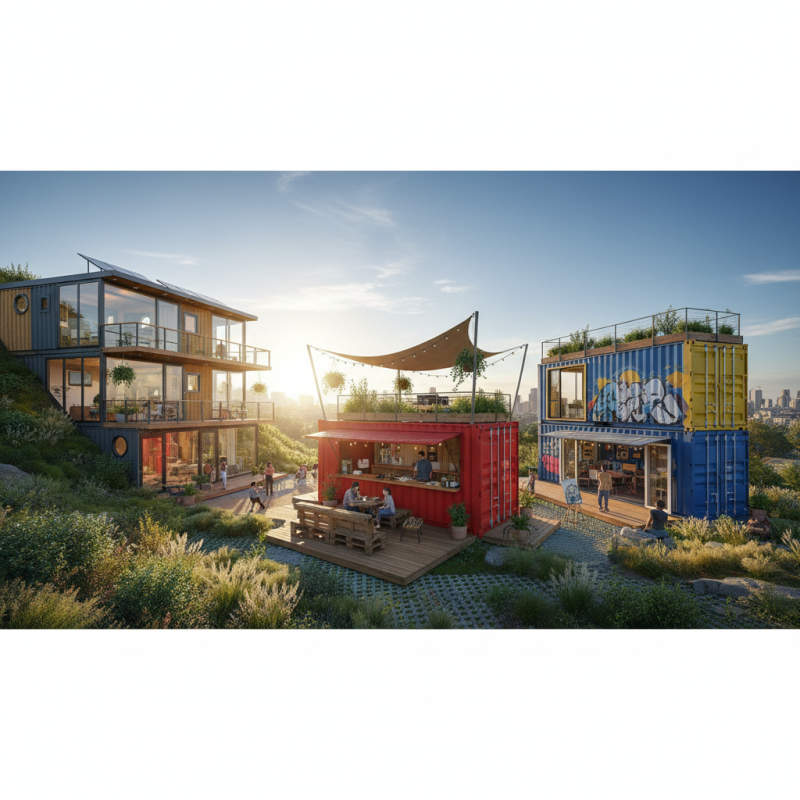
Understanding Container Conversions: Key Concepts and Terminology
Container conversions have become a pivotal trend in the logistics and supply chain industry, especially as businesses strive for efficiency and flexibility. Understanding key concepts and terminology associated with container conversions is essential for anyone looking to engage in this environment. The term “container conversion” refers to the process of modifying standard shipping containers for alternative uses, such as housing, retail spaces, or even offices. This not only offers a sustainable solution by repurposing existing materials but also significantly reduces construction time and costs. According to a report from Mordor Intelligence, the container architecture market is projected to grow at a CAGR of 10.4% by 2025, highlighting the growing recognition of this innovative approach.
In order to effectively navigate the realm of container conversions, it is important to familiarize oneself with terminology such as "modular design," which emphasizes the importance of creating flexible and adaptable spaces that can easily be reconfigured. Furthermore, understanding the concept of "upcycling" in the context of container conversions can lead to sustainable practices that appeal to eco-conscious consumers. A study by McKinsey & Company revealed that companies that integrate sustainable practices, including the use of repurposed materials, can enhance their brand value and consumer loyalty by up to 60%. This trend underscores the necessity for industry participants to not only consider economic factors but also environmental impacts when embarking on container conversion projects.
Choosing the Right Containers for Your Conversion Project
Choosing the right containers for your conversion project is crucial for ensuring both functional versatility and aesthetic appeal. Given the increasing popularity of container living and workspace solutions, data from the Container Trades Statistics (CTS) indicates that the global container market is anticipated to grow by 4.2% annually, reaching a valuation of $10.6 billion by 2025. This growth underscores the increasing demand for adaptable and sustainable living solutions, propelling the need for selecting containers that not only meet the building requirements but also align with environmental sustainability.
When selecting containers, consider the intended use and location of your project. For example, standard 20-foot and 40-foot containers are widely used due to their availability and ease of modification. A report from the International Organization for Standardization (ISO) highlights that over 90% of containers in circulation are of these standard sizes, making them ideal for any conversion project. Furthermore, the structural integrity of the container is paramount; many experts suggest opting for one-trip containers, which have been used only once and are typically in better condition, minimizing renovation costs. By thoughtfully choosing the right containers, you not only enhance the practicality of your conversion but also position your project within the burgeoning sustainable living paradigm that resonates with modern building trends.
Top 10 Must-Know Tips for Successful Container Conversions in 2023
Essential Tools and Materials for Successful Container Conversions
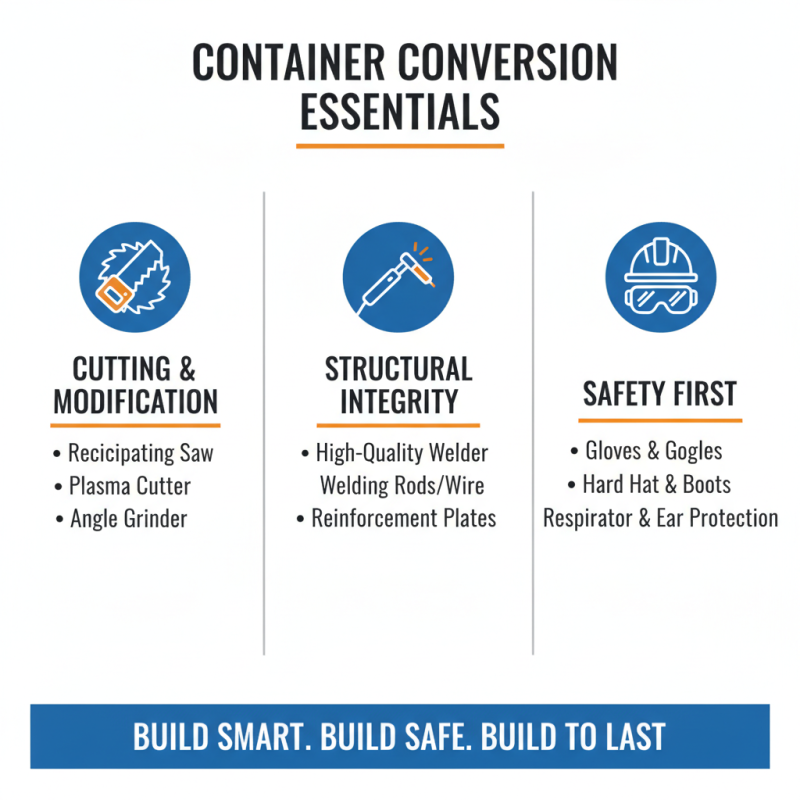
When embarking on a successful container conversion project, selecting the right tools and materials is crucial. Begin with the basics: a reliable cutting tool, such as a reciprocating saw or plasma cutter, will allow you to efficiently modify the container's structure for doors, windows, and ventilation systems. Invest in a high-quality welder for reinforcing connections and ensuring integrity in modified areas. Safety equipment, including gloves, goggles, and hard hats, is essential to protect against metal shards and other hazards.
In addition to tools, the choice of materials can significantly influence the final outcome of your project. Insulation is key for temperature control, so consider materials like spray foam or rigid foam boards that provide excellent thermal properties. For flooring, durable options like marine-grade plywood or vinyl can withstand the rigors of daily use. Finally, don’t overlook the importance of finishes; choosing weather-resistant paints and coatings can enhance aesthetic appeal while protecting the container from the elements. Proper planning and careful selection of these tools and materials will set the foundation for a successful container conversion project in 2023.
Planning and Designing Your Container Space Efficiently
When planning and designing your container space for 2023, it’s essential to start with a clear vision of the intended use. Whether you’re converting a shipping container into an office, a studio, or a living space, determine the core functionalities and layout you need. Create a detailed floor plan that maximizes the available square footage, paying close attention to flow, accessibility, and natural light. This thoughtful approach will not only enhance the usability of the space but also contribute to a more comfortable environment.
Incorporating efficient design elements is equally crucial for successful container conversions. Consider insulation and ventilation, as containers are made of metal, which can lead to heat retention or loss. Use space-saving furniture and multi-functional items to optimize your living area without overcrowding it. Additionally, think about sustainable practices, such as utilizing reclaimed materials or installing energy-efficient appliances. These strategies will not only improve the aesthetics of your container space but also make it more practical and environmentally friendly, aligning with contemporary design trends in 2023.
Top 10 Must-Know Tips for Successful Container Conversions in 2023
| Tip Number |
Tip |
Description |
Benefits |
| 1 |
Plan for Insulation |
Ensure proper insulation to maintain temperature control. |
Energy efficiency and comfort. |
| 2 |
Maximize Space Use |
Design layouts that utilize vertical and horizontal space. |
More functional living or working area. |
| 3 |
Choose Appropriate Materials |
Select durable and sustainable materials for construction. |
Longer lifespan and environmental impact reduction. |
| 4 |
Incorporate Natural Light |
Use windows and skylights to enhance lighting. |
Improves mood and reduces lighting costs. |
| 5 |
Plan for Utilities |
Consider plumbing and electrical needs early in planning. |
Avoid costly changes later in the project. |
| 6 |
Implement Eco-Friendly Systems |
Use renewable energy sources and water-saving devices. |
Reduce utility costs and environmental footprint. |
| 7 |
Focus on Ventilation |
Ensure good airflow to prevent moisture buildup. |
Improves air quality and health. |
| 8 |
Design for Future Expansion |
Plan your layout to allow for easy modifications. |
Flexibility for future needs. |
| 9 |
Create Outdoor Spaces |
Utilize container exteriors for outdoor activities. |
Enhances livability and enjoyment. |
| 10 |
Stay Updated on Regulations |
Keep aware of zoning laws and building codes. |
Avoid legal issues and ensure compliance. |
Common Challenges and Solutions in Container Conversions
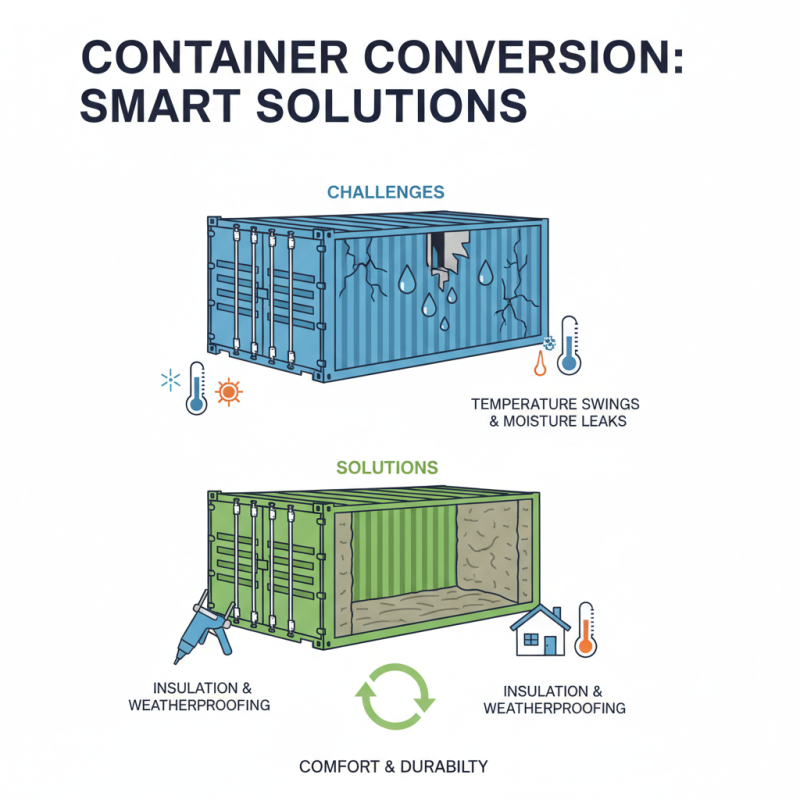
Container conversions have become increasingly popular as a flexible and innovative solution for various needs, but they do come with their own set of challenges. One common difficulty is ensuring proper insulation and weatherproofing. As containers are originally designed for transport rather than habitation, users often find that they need to reinforce the structure against temperature fluctuations and moisture. A practical solution is to employ high-quality insulation materials that effectively regulate internal temperatures while sealing any gaps to prevent leaks.
Another challenge often faced is optimizing the available space. Container sizes can be limited, which requires creative layout solutions to maximize usability. To tackle this, it's essential to incorporate multi-functional furniture and modular designs that can be easily adapted as needs change. Additionally, when planning the layout, consider vertical space; using shelves and storage units can significantly increase functionality without compromising floor area.
Lastly, navigating local regulations and zoning laws can be daunting. It’s crucial to conduct thorough research on the requirements for permits and approvals in your area before starting a conversion project. Engaging with local authorities early in the process can help identify any potential obstacles and streamline the approval process, ensuring a smoother conversion experience.