How to Convert Shipping Containers into Functional Living Spaces?

In recent years, converted shipping containers have gained popularity as a unique housing solution. These versatile structures offer endless potential for creating functional living spaces that cater to various needs. However, transforming a shipping container into a comfortable home is not without its challenges.

To begin, careful planning is necessary to ensure a successful conversion. Assessing insulation, ventilation, and plumbing requirements is crucial for creating a livable atmosphere. While the process can be rewarding, it also demands attention to detail. Some may overlook the importance of natural light or proper layout, leading to a less-than-ideal living experience.

Moreover, navigating local regulations can be complicated. Each area has different zoning laws affecting container homes. Many find it frustrating to obtain necessary permits and approvals. Despite these hurdles, the allure of sustainable living remains strong. The journey of converting shipping containers can be both inspiring and revealing, encouraging creativity and resilience in design.
How to Convert Shipping Containers into Functional Living Spaces?

Understanding the Basics of Shipping Container Living Spaces

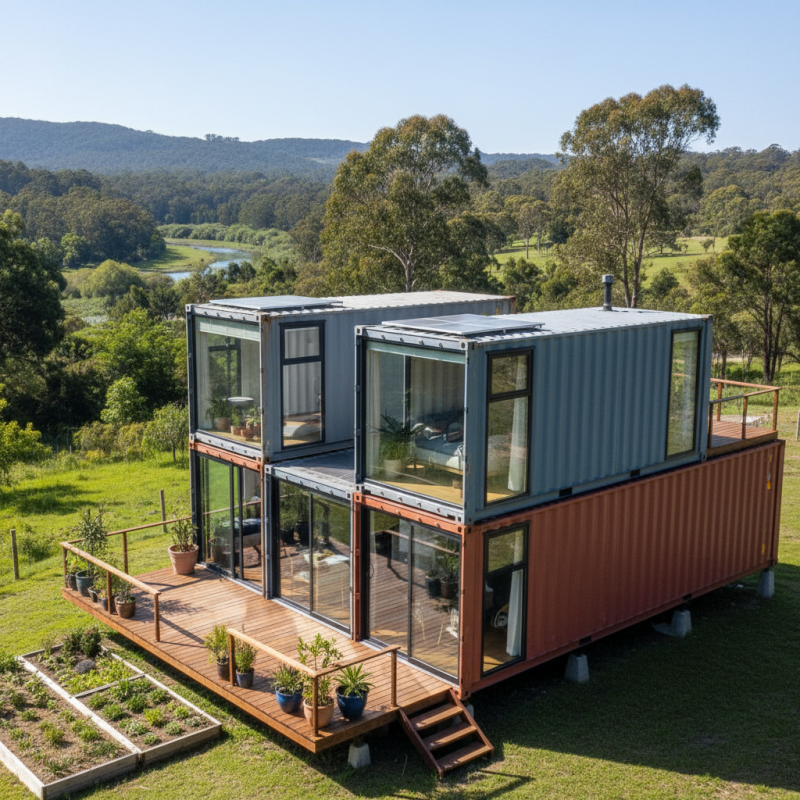
Shipping container living spaces have gained popularity for their unique aesthetic and sustainability. The basic concept involves repurposing standard shipping containers into livable units. These structures provide a flexible foundation for a home or studio. Their modular nature allows for various configurations, making it easier to adapt to different needs.

When converting containers, it's crucial to consider insulation and ventilation. Metal containers can become uncomfortably hot or cold. Insulating the walls adequately can help maintain a stable climate inside. Windows and doors should be carefully placed to maximize natural light. However, cutting into the container can weaken its structural integrity, which is a common oversight.

Waterproofing the container is another essential aspect. Without proper sealing, rust can develop, leading to costly repairs. A well-thought-out design must account for drainage and plumbing needs. Involving professionals can help, but many DIY enthusiasts take on this challenge. Mistakes can happen, leading to delays and budget overruns. Embracing imperfections can also contribute to a unique character in the final living space.


Choosing the Right Shipping Container for Your Project

How to Convert Shipping Containers into Functional Living Spaces?

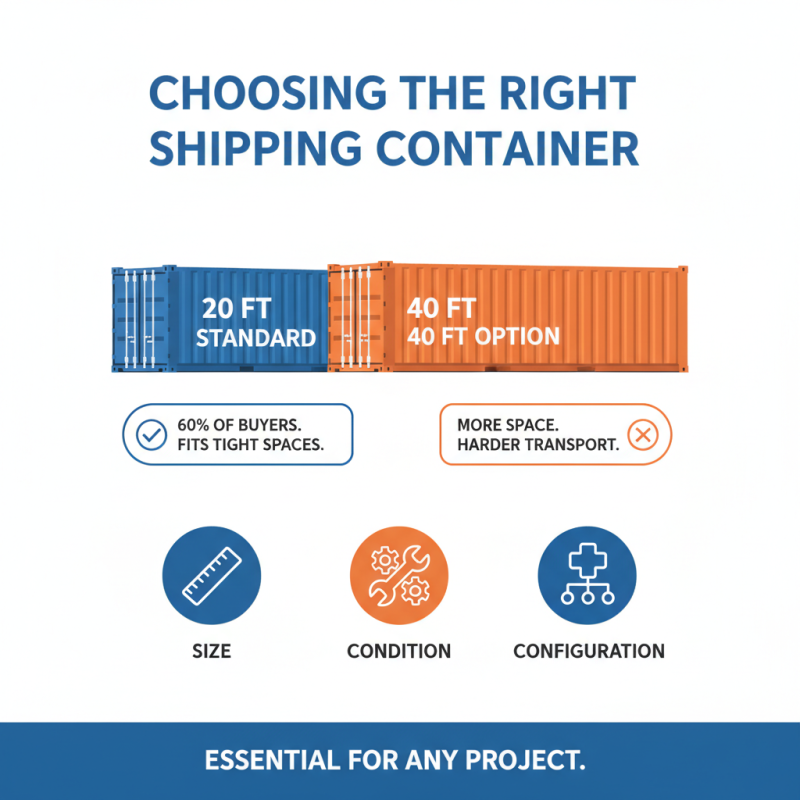
Choosing the right shipping container is essential for any project. When selecting a container, consider the size, condition, and configuration. Standard containers come in lengths of 20 or 40 feet. A 40-foot container offers more space but can be harder to transport. About 60% of buyers opt for the standard 20-foot unit. It fits well in tight spaces.

Look closely at the condition of the container. A one-trip container is like new. These containers have only been used once. However, they may be pricier. Used containers can show rust or damage. It's vital to inspect them carefully. Reports indicate that over 25% of containers sold are not in prime condition. Repair costs can add up.

Finally, configuration plays a key role. Some projects require insulated or modified containers. These alterations can increase costs significantly. Adjusting internal space can also be challenging. Ensure your team is ready for the task. The decisions around the right container should reflect your unique needs and budget. Careful planning now can prevent headaches later.

Essential Tools and Materials for Container Conversion

When converting shipping containers into livable spaces, gathering the right tools and materials is crucial. Basic tools such as a welder, saws, and drills are essential for structural modifications. A cutting torch can be helpful for precise cuts. Don't forget safety gear. Wear gloves and goggles when handling metal and power tools.

Materials like insulation panels should be prioritized. They help maintain a comfortable temperature inside the container. Consider using plywood for interior walls. It's readily available and easy to work with. Use screws instead of nails for better hold.

Remember, every project has its challenges. Some containers may not be in prime condition and might need significant repairs. Be prepared for unexpected issues like rust or holes. Reflect on your design plans often. Check if they meet your expectations. Sometimes, plans need to adapt. Be flexible and open to changes.

Step-by-Step Guide to Designing Your Living Space

How to Convert Shipping Containers into Functional Living Spaces?

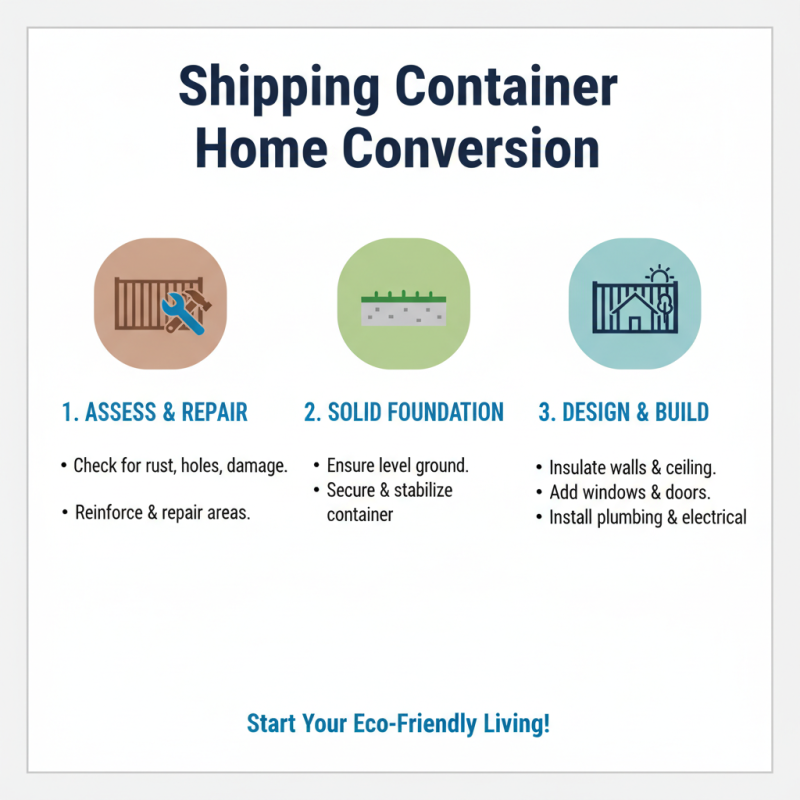
Transforming a shipping container into a livable space can be exciting yet challenging. Start by assessing your container's condition. Look for rust, holes, or damage. You might need to repair or reinforce areas before beginning any design work. Creating a solid foundation is crucial. Make sure it’s level and secure to prevent future issues.

Next, think about insulation. Containers are made of metal, retaining heat and cold. Choose appropriate insulation materials to maintain comfort. Consider windows for natural light. Larger openings can enhance the feeling of space but require proper sealing. Design the layout thoughtfully. Measure each area meticulously to ensure functionality. Space can be a constraint, leading to some awkward placements. Minor adjustments are often necessary as you proceed.

Finally, focus on aesthetics. Personalize your living area with colors and accessories that reflect your style. Be prepared for imperfections. A container home may not have the same appeal as traditional houses, but it holds unique charm. Embrace the quirks. Use them to inspire creativity and innovation in your design. Each decision will shape your space uniquely.

Finishing Touches: Interior Setup and Utilities Installation

Finishing touches in a shipping container home can transform stark metal into a cozy abode. Start by focusing on the layout. Open areas can feel spacious, while designated corners invite comfort. According to a report by the Container Housing Association, nearly 80% of container homes use less energy than traditional buildings, showcasing their efficiency.

When setting up utilities, consider a proper heating system. Insulation is key. A well-insulated container can save up to 30% on energy costs. You might overlook plumbing; ensure a reliable water source is available. Also, think about natural light: adding windows can brighten spaces.

Tips: Selecting the right furniture matters. Multi-functional pieces work wonders in small spaces. Hiding clutter can enhance your home's aesthetic. Consider wall-mounted shelves—they save floor space and add style. Remember, perfecting every detail may take time, and adjustments may be needed later. Ultimately, your container should reflect your vision.

How to Convert Shipping Containers into Functional Living Spaces? - Finishing Touches: Interior Setup and Utilities Installation

Aspect Details
Insulation Use spray foam or rigid foam panels to ensure energy efficiency.
Interior Walls Install drywall or wood paneling for a finished look.
Flooring Consider laminate, vinyl, or tile for durability and aesthetics.
Utilities Installation Install plumbing, electrical wiring, and HVAC systems as needed.
Furniture Use space-saving and multi-functional furniture styles.
Lighting Incorporate natural light with windows and use soft LED lighting for atmosphere.
Ventilation Install vents or fans to maintain airflow and comfort.
Decor Choose colors and art that reflect personal style and create a welcoming environment.
ENQUIRE NOW
close
Get In Touch

Use the form below to drop us an email if you have any question or comments.