Why Are Container Modifications Essential for Modern Construction?

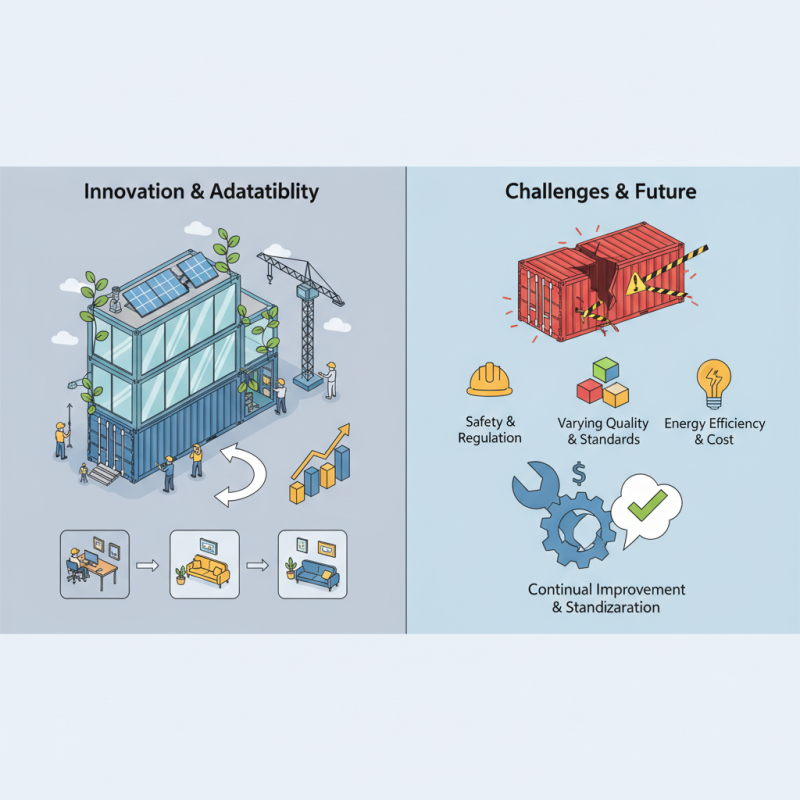
In modern construction, container modifications have become essential. This trend reflects a shift towards innovative and adaptable building solutions. According to a report by MarketsandMarkets, the global modular construction market is expected to grow to $157 billion by 2023. Container modifications play a significant role in this expansion.

These modifications offer flexibility and sustainability. They can be easily transported and repurposed for various uses. For instance, a shipping container can transform into a temporary office or a cozy living space. However, the industry still faces challenges. Not all modifications meet safety regulations. There is a pressing need for standardization in practices and materials used.

Furthermore, while container modifications provide cost-effective solutions, quality can vary. Some modifications are not optimized for energy efficiency. As the industry evolves, reflecting on these shortcomings is crucial. The potential for container modifications is vast, yet continual improvement remains necessary for success in modern construction.
Why Are Container Modifications Essential for Modern Construction?

The Evolution of Container Use in Modern Construction

Why Are Container Modifications Essential for Modern Construction?

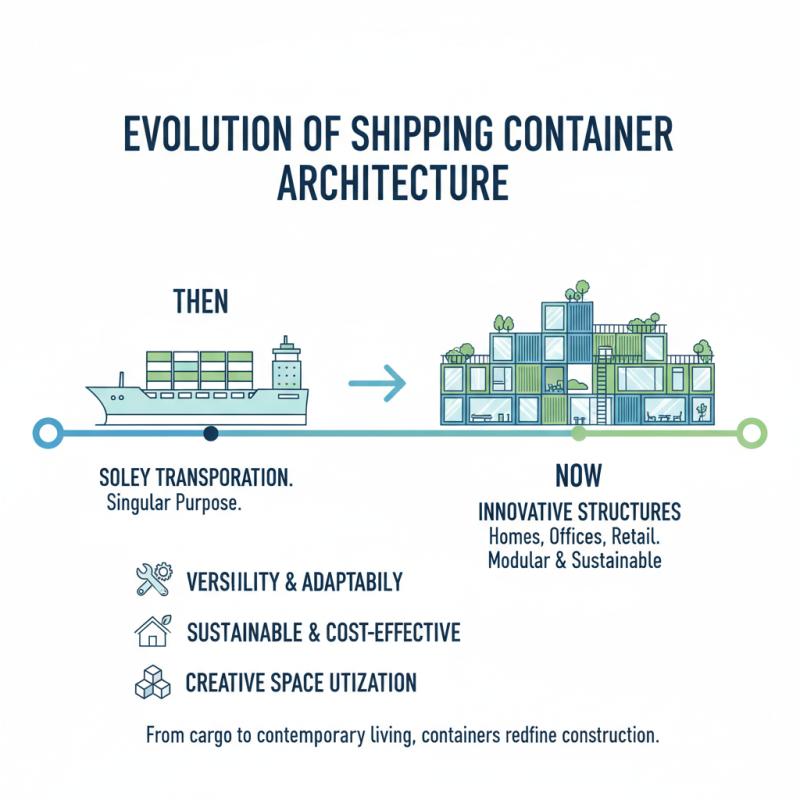
The use of shipping containers in construction has transformed over the years. Initially, these containers served a singular purpose in transportation. Today, they are integral to building innovative structures. Architects and designers harness their versatility. From homes to offices, container-based designs offer unique aesthetics and functionality. The compact nature allows for creative space utilization.

However, the evolution of container use is not without challenges. Modifying a container can be complex. Structural integrity must be maintained. Insulation and ventilation are crucial for comfort. Some designs may lack adequate natural light. This can impact the overall living experience. Creative solutions are necessary to address these issues, ensuring the final product is both functional and visually appealing.

Sustainability is often a driving factor. Containers can be repurposed, reducing waste. Yet, the process of retrofitting can be resource-intensive. Not all modifications align with green practices. Reflecting on these aspects is essential for moving forward. The goal is to create spaces that are not only innovative but also sustainable for future generations. The journey of container use in construction is still evolving, inviting new ideas and reconsiderations.

Key Advantages of Using Modified Containers in Building Projects

Container modifications are changing the landscape of modern construction. One key advantage is their cost-effectiveness. A report by the Container Recycling Institute states that modified containers can save up to 33% in building costs compared to traditional materials. This appeals to budget-conscious developers and architects seeking innovative solutions.

Another advantage is sustainability. Using refurbished containers helps reduce waste. According to a study by the Global Waste Management Outlook, up to 12% of construction waste comes from materials that could be repurposed. Modified containers promote recycling in a tangible way. However, some critics argue that there are limitations in design flexibility. While they offer unique aesthetics, the overall spatial constraints can be a drawback.

Durability is also a crucial factor. Containers are built to withstand harsh conditions. They are resistant to rot, pests, and weather. Studies show that modified containers can last over 25 years with minimal maintenance. Yet, it's essential to consider insulation and interior modifications. Improper handling can lead to issues like condensation or dampness. Such challenges require thoughtful planning and expertise in container modifications to ensure long-lasting structures.

Innovative Design Possibilities with Container Modifications

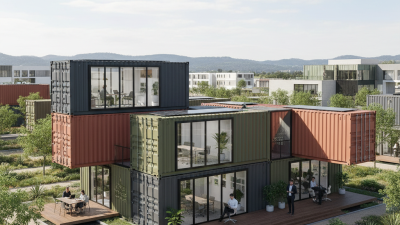
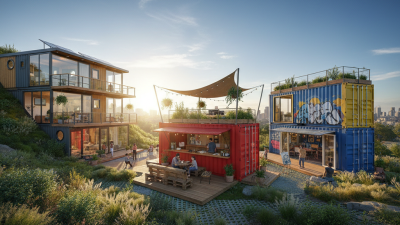
Container modifications have opened up exciting design opportunities in modern construction. By reimagining these sturdy structures, architects and builders can create unique spaces that meet various needs. For instance, a modified container can become a cozy cafe or even a striking office. It’s not just about function; it’s also about aesthetic appeal. Adding windows, doors, and external finishes enhances their visual impact.

However, these modifications can present challenges. Ensuring structural integrity is crucial when altering containers. Mistakes can lead to vulnerabilities, affecting durability and safety. Additionally, aligning design with local regulations can complicate projects. While the creativity involved is inspiring, there are moments of uncertainty. Deciding on the right modifications requires thoughtful consideration and an understanding of potential pitfalls. Every container tells a story, and its evolution can be both rewarding and daunting.

Sustainability and Environmental Benefits of Container Construction

Container construction offers significant sustainability and environmental benefits. Using repurposed shipping containers can reduce waste. These containers are often abundant, which lowers costs. By transforming them, we avoid the energy-intensive production of new building materials. This approach can help conserve natural resources.

However, there are challenges to consider. Some containers may require extensive modifications to meet safety standards. Insulation may also be inadequate in extreme climates. It’s crucial to address these issues to ensure livable spaces. Additionally, while container construction is eco-friendly, it can lead to urban hotspots if not designed properly. Careful planning is necessary to balance aesthetics and functionality.

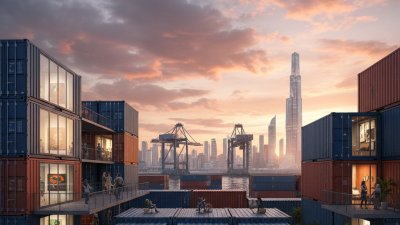
Container modifications can facilitate innovative architectural designs. They can be stacked or combined in various ways. This flexibility enhances urban density, allowing for creative community spaces. However, reliance on containers should not replace sustainable practices in traditional construction. Each approach has unique merits, and both should coexist thoughtfully in modern building strategies.

Challenges and Solutions in Container Modification for Construction

Container modifications are becoming increasingly important in modern construction due to their flexibility and cost-effectiveness. However, the challenges involved in modifying these containers cannot be overlooked. According to a 2022 industry report, around 30% of container modifications face significant delays. These delays often arise from issues such as structural integrity and design compliance. Builders must navigate local building codes, which can differ significantly from one area to another.

Another critical challenge is the need for insulation and climate control. A study from last year found that 60% of modified containers struggle with temperature regulation. This often leads to discomfort in spaces meant for living or working. Implementing effective insulation solutions is essential. Yet, many contractors overlook this aspect, leading to subpar living conditions. The proper selection of insulation materials and methods requires knowledge and experience that some builders may lack.

Moreover, safety concerns remain paramount. A survey indicated that about 40% of modified containers do not meet safety standards. Many modifications compromise the container's structural strength. This is a critical oversight, especially when these units are used for residential or commercial spaces. The potential consequences can lead to catastrophic failures. Continuous education and training for builders in container modification techniques can help address these issues.

Container Modifications in Modern Construction: Challenges and Solutions

ENQUIRE NOW
close
Get In Touch

Use the form below to drop us an email if you have any question or comments.