What to Consider When Buying Wheel Bearings for Your Vehicle?
When considering Wheel Bearings for your vehicle, making informed choices is crucial. Wheel bearings play a vital role in ensuring smooth wheel rotation. They bear the weight of the vehicle while allowing flexibility in movement. Quality wheel bearings can enhance your vehicle's performance and extend its lifespan.
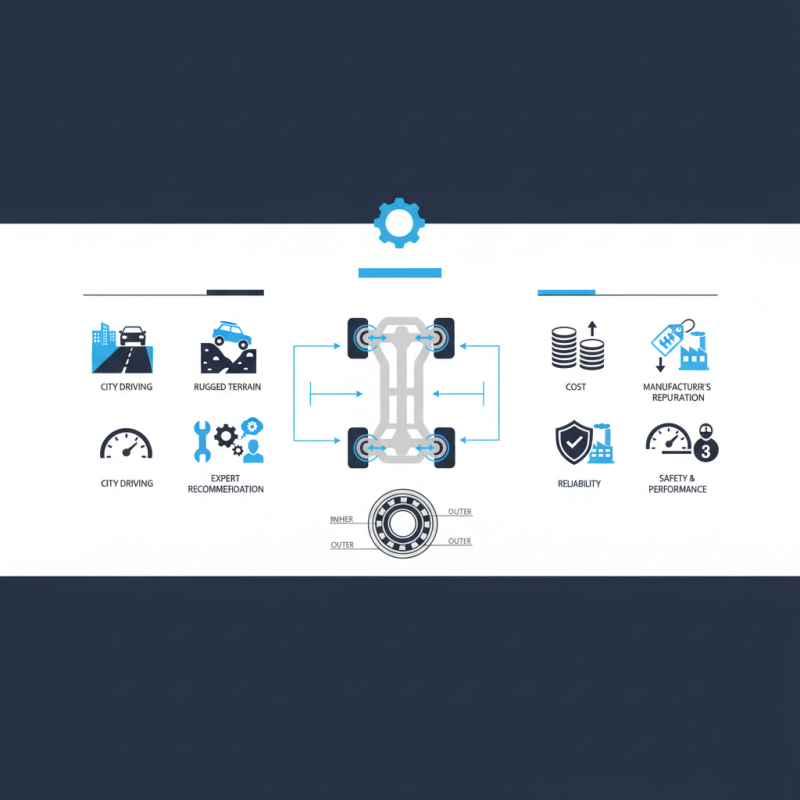
Choosing the right wheel bearing involves several factors. Different vehicles have different specifications, such as load ratings and material types. An expert recommendation can be valuable in navigating these complexities. However, even experts can have varying opinions. It's essential to reflect on your driving needs, whether you're cruising city streets or navigating rugged terrain.
The market offers a range of options, from budget-friendly to premium wheel bearings. Price does not always indicate quality. Low-cost options may seem tempting, but they might not last. It's worth considering not just the price tag, but also the manufacturer's reputation. Sometimes, you may need to prioritize reliability over cost. The right wheel bearing choice can significantly impact your vehicle's safety and performance.
What Are Wheel Bearings and Their Role in Vehicle Performance?
Wheel bearings are critical components of a vehicle's wheel assembly. They allow the wheels to spin smoothly and support the vehicle's weight. When functioning well, they enhance performance. However, poor-quality bearings can lead to increased friction and heat. This affects driving efficiency and can cause serious damage to the car.
The role of wheel bearings extends beyond just normal movement. They also contribute to vehicle stability and handling. When wheel bearings wear out, drivers may notice vibrations or noise. These symptoms are warning signs that demand immediate attention. Ignoring these can lead to tire misalignment and unsafe driving conditions.
Choosing the right wheel bearings is essential. Prioritize bearings that meet manufacturer specifications for your vehicle. Look for solid construction materials. It’s also wise to consider expert recommendations and user reviews. This will help in making an informed choice. High-quality bearings can ultimately save money on repairs in the long run.
What to Consider When Buying Wheel Bearings for Your Vehicle
Key Factors That Affect Wheel Bearing Selection for Different Vehicles
When selecting wheel bearings, several key factors come into play. Compatibility with your vehicle's make and model is vital. Different vehicles require specific types of bearings. For instance, heavier vehicles may need more robust bearings to support their weight. Understanding the load-bearing capacity can prevent premature wear and failure.
The type of driving conditions also matters. If you live in an area with rough terrain, consider bearings that can withstand harsher conditions. These are designed for durability and performance. On the other hand, city driving may not require such toughness, allowing for lighter bearings.
Another element to reflect on is the installation process. Some wheel bearings require specialized tools for proper installation. Failing to use the right technique can lead to issues down the road. It’s essential to weigh your options and perhaps consult experts for advice. The right choice can enhance your vehicle's performance and safety. Always remember, the quality of components matters.
Understanding OEM vs Aftermarket Wheel Bearings: Pros and Cons
When choosing wheel bearings, understanding the difference between OEM (Original Equipment Manufacturer) and aftermarket options is crucial. OEM bearings are designed specifically for your vehicle model, often praised for their precise fit and reliable performance. According to industry research, vehicles equipped with OEM parts show a 20% lower failure rate compared to cars with aftermarket components. This data highlights the reliability often associated with OEM products.
On the other hand, aftermarket wheel bearings can provide significant cost savings. Many aftermarket bearings are made with quality materials and come with extended warranties. However, their performance can vary widely. Studies indicate that a substantial percentage, around 30%, of aftermarket parts may not meet OEM specifications, leading to potential risks. Consumers should examine these options carefully. The price may be tempting, but the trade-off might include durability and safety concerns.
Additionally, installing sub-par bearings can lead to mechanical problems. Increased wear and tear on surrounding components is one potential issue. A failed bearing may result in costly repairs down the line. Thus, weigh all factors, including performance, cost, and warranty, before making your decision. Understanding these nuances helps ensure you select wheel bearings that align with your vehicle's needs.
Signs Indicating It's Time to Replace Your Vehicle's Wheel Bearings
When it comes to your vehicle, the integrity of wheel bearings plays a crucial role. Recognizing the signs indicating it’s time to replace them is essential for safety and performance. A grating or grinding noise while driving can signal failure. If you hear these sounds, it’s a red flag. A vibration felt in the steering wheel may also arise. This isn’t just noise; it could mean serious wear.
Tips: Regularly inspect your vehicle for unusual sounds. Pay attention to how it feels when you drive. Don’t ignore those warning signs.
Another symptom to consider is uneven tire wear. If you notice specific areas on your tires wearing more quickly, your wheel bearings might be to blame. Additionally, if you experience a pulling sensation while driving, this may indicate a problem. Left unchecked, these issues can compromise your safety and lead to costly repairs.
Tips: Keep a close watch on tire condition. Rotate your tires regularly. This helps extend their lifespan and can prevent further issues.
Being proactive is key. If you suspect your wheel bearings are failing, have them assessed by a professional. Waiting too long can lead to more expensive damages. Your safety is paramount. Listening to your vehicle can save you time and money in the long run.
Cost Considerations: Budgeting for Wheel Bearings and Installation Services
When budgeting for wheel bearings and installation, consider the total cost involved. Wheel bearings can range in price significantly, from affordable options to high-end products. Quality plays a key role in pricing, and opting for cheaper options may lead to future issues. Take the time to research the costs associated with labor for installation as well.
Installation services can greatly affect the final bill. Finding a reliable mechanic is crucial. Sometimes, the cheapest will not guarantee quality work. It is essential to ask for estimates and compare them. Hidden fees can arise, leading to unexpected expenses. Understanding the service process can help avoid these pitfalls.
You may need to reflect on your budget regularly. Regular vehicle maintenance can help mitigate higher costs later. If you're budget-conscious, prioritize quality over price. Skimping now might lead to future repairs, costing you more. Think about the implications of your choices. Investing wisely in wheel bearings is not just about price, but also long-term reliability.