A Cold Chain Container is vital for transporting temperature-sensitive goods. These containers maintain specific temperature ranges. They play a crucial role in industries like pharmaceuticals and food. With precise temperature controls, they ensure products remain safe during transit. The technology within these containers is impressive yet complex.
However, achieving perfect temperature control is not always possible. Variations can occur due to several factors. Human error, equipment malfunction, or external conditions can impact performance. This inconsistency raises questions about reliability. Each journey is a test of the Cold Chain Container's effectiveness.
Understanding the workings of these containers is essential for businesses. Proper training is necessary for personnel involved in handling these tools. It’s important to reflect on best practices in the industry. By continuously improving, companies can enhance reliability and ensure the safety of their products.
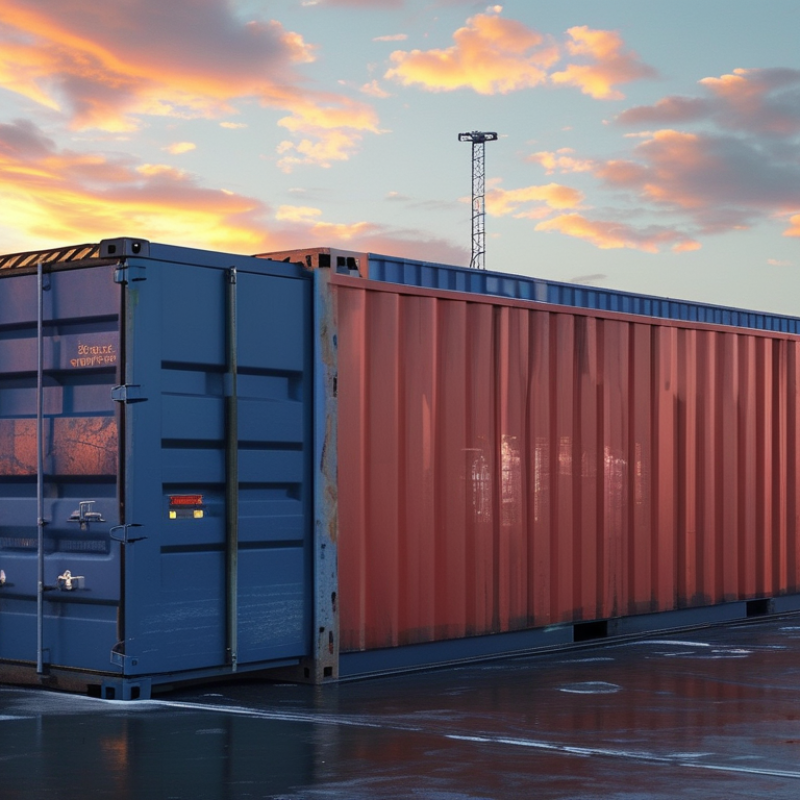
A cold chain container is a specialized transportation unit designed to maintain a specific temperature range. It is crucial for transporting temperature-sensitive goods, particularly in the food and pharmaceutical industries. These containers preserve the integrity of perishable items, ensuring they remain safe for consumption or use.
Key features of cold chain containers include advanced insulation, refrigeration units, and temperature monitoring systems. These elements work together to create a controlled environment. Insulation aids in maintaining the internal temperature, while the refrigeration unit can adjust temperatures based on the product's needs. Monitoring systems track temperature variations, alerting operators to any potential issues.
Tips for using cold chain containers: Always verify the calibration of temperature monitoring devices before shipping. Regular maintenance of refrigeration units is essential to avoid failures during transport. Training staff to handle cold chain processes can prevent errors and reduce risk. An understanding of temperature requirements for different products ensures that they reach their destination in optimal condition. Taking these steps helps maintain the reliability of cold chain operations.
Cold chain containers play a pivotal role in temperature-sensitive logistics. They ensure products like pharmaceuticals and perishable foods maintain the right temperature throughout their journey. Research indicates that 30% of temperature-sensitive products are lost due to improper handling. This not only affects business but also consumer health and safety.
The global cold chain market is expected to reach $500 billion by 2026, according to industry analysts. This growth highlights the increasing demand for reliable cold chain logistics. Yet, many logistics providers still struggle with maintaining temperature compliance during transit. Data shows that nearly 25% of refrigerated shipments experience temperature deviations. These lapses can lead to significant financial losses and compromised product integrity.
Stakeholders must continually assess their cold chain strategies. Investing in advanced monitoring technologies, such as IoT sensors, can minimize temperature breaches. However, many still rely on outdated methods. A proactive approach can enhance reliability and reduce waste in the supply chain. Understanding the complexities of cold chain logistics is essential for ensuring the safe delivery of temperature-sensitive goods.
Cold chain containers are essential for maintaining temperature-sensitive products during transit. These specialized containers ensure that items like pharmaceuticals, vaccines, and perishable goods remain within their ideal temperature ranges. To achieve this, they use advanced insulation and temperature control technologies. Some containers feature active cooling systems, while others rely on passive methods, such as dry ice or gel packs.
During transportation, maintaining the right temperature is critical. Cold chain containers are equipped with temperature monitoring devices that provide real-time data. This allows shippers to track whether the products are kept at optimal conditions. However, despite these technologies, challenges still arise. External factors like heat waves or equipment failures can impact the integrity of the cold chain. If a container is not monitored closely, temperatures can fluctuate, leading to spoilage.
Real-world applications can sometimes reveal gaps in training. For instance, staff may not fully understand how to set up temperature monitors correctly. This oversight can jeopardize the entire shipment. Addressing these issues calls for ongoing training and better communication among teams. Every step matters in the cold chain process. Each link must be reliable to ensure product safety and effectiveness.
Cold chain containers are vital in various industries to ensure temperature-sensitive products remain in optimal condition. These containers come in several types, each designed for specific applications. For example, refrigerated trucks are commonly used in the food industry to transport perishable goods. They maintain a stable temperature throughout the journey, preventing spoilage. Insulated boxes are often utilized in pharmaceuticals. They protect vaccines and medications that require strict temperature control.
In the floral industry, cold chain containers help in shipping fresh flowers. They keep the flowers cool, preserving their freshness during transit. Specialized containers for seafood are also prevalent. These containers can control temperature and humidity, which is critical for maintaining quality. However, the reliability of these containers can sometimes be a concern. Minor negligence in temperature monitoring can lead to significant losses.
While cold chain containers serve an essential role, the technology is not infallible. Equipment malfunctions or improper handling can disrupt the cold chain, jeopardizing the integrity of the goods. Continuous advancements are needed to improve these systems. Regular training for personnel is also crucial. Awareness of best practices ensures that these critical processes are followed diligently.
When it comes to cold chain containers, adherence to industry standards is crucial. These containers ensure temperature-sensitive products maintain their integrity. Compliance with regulations, such as temperature control and documentation, is mandatory. For example, the World Health Organization (WHO) guidelines set benchmarks for maintaining cold chain conditions, especially in pharmaceuticals.
Transporting perishable goods demands precision. The temperature range must be closely monitored, often requiring continuous logging. Many countries have specific requirements regarding insulation and refrigeration efficiency. Failure to meet these standards can lead to product spoilage or safety concerns. Companies must regularly audit their cold chain systems for reliability.
Despite rigorous protocols, challenges persist. External factors can jeopardize the cold chain, such as unexpected weather changes. Staff training is often overlooked but is essential for handling equipment properly. Ensuring that all workers understand the importance of compliance can be a struggle. Continuous evaluation and improvement are necessary for optimal results.
| Dimension | Value |
|---|---|
| Temperature Range | -20°C to +25°C |
| Common Use Cases | Pharmaceuticals, Perishables, Vaccines |
| Material Type | Insulated, Refrigerated |
| Regulatory Standards | WHO, FDA, GDP Compliance |
| Monitoring Technology | Data Loggers, IoT Sensors |
| Typical Duration | Up to 48 hours |
Are you still planning to build your shipping container home this year? How about you could save up to $5,000 in delivery costs towards your project?
With the Tiny Home Expos in Brisbane, Adelaide and Canberra in the coming months, we are offering FREE DELIVERY (*up to $5000) to each state the Expo is in, in exchange with using your project as a display at the show. Offer expires 8 weeks before each Expo and limited to ONE project per Expo ONLY so reach out to us now to secure your spot!
Enquire Now