How to Choose the Best Sewer Jetting Machine for Your Needs?
In the world of plumbing and drainage, choosing the right Sewer Jetting Machine is critical. Renowned expert John Davis, a veteran in drain cleaning technologies, emphasizes, "The right machine makes all the difference in efficiency and effectiveness." He highlights the importance of thoughtful selection.
Sewer jetting machines are designed to clear blockages in pipes using high-pressure water jets. Understanding your unique needs is vital in choosing the best model. Factors such as pipe size, blockage type, and frequency of use must be considered. Every choice can directly impact your workflow and results.
Moreover, while many may prioritize brand and price, it's essential to reflect on performance and reliability. A more expensive machine may not always be the best fit. Real-life experience will guide you towards the right machine that balances power and usability. Choosing wisely can prevent potential costly mistakes in the future.
Understanding Sewer Jetting Machines: Key Features and Functions
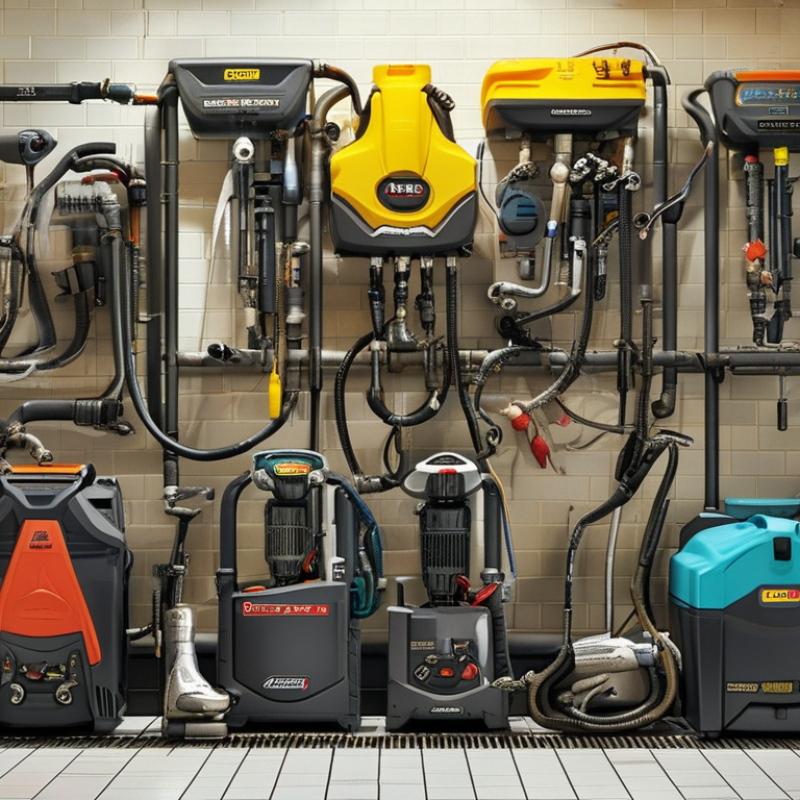
Understanding sewer jetting machines is crucial for effective pipe cleaning. These machines utilize high-pressure water jets to remove debris and blockages. Key features of sewer jetting machines include pressure settings, hose length, and nozzle options. Each feature plays a vital role in efficiency and effectiveness. A machine with adjustable pressure lets you tackle various types of clogs, from grease to roots.
Hose length matters, too. Longer hoses give you the flexibility to reach deeper into the sewer system. However, a longer hose can also lead to pressure loss. Evaluating your specific needs can help you make the right choice. Nozzles come in different designs that cater to various applications. Some are designed for cutting through tough blockages, while others help clean the pipe walls.
When selecting a sewer jetting machine, consider durability and maintenance. Well-made machines will last longer and require less frequent repairs. It's essential to balance between price and quality. A cheaper option often compromises performance. Reflecting on how often you’ll use the machine can lead to better decisions. Each choice impacts the efficiency of your cleaning job.
Assessing Your Needs: Residential vs. Commercial Applications
When choosing a sewer jetting machine, understanding the application is crucial. Residential users often need smaller, more portable models. These machines can handle everyday blockages in drains and sewer lines. They are efficient for home maintenance but may lack the power needed for larger jobs.
In contrast, commercial applications require more robust systems. Businesses face severe blockages and extensive systems that need heavy-duty equipment. Commercial machines usually have higher pressure and large tanks. They must withstand continuous use and heavy workloads. Selecting the right machine means assessing the scale of the jobs you expect.
Reflect on your typical sewer issues. A portable model might seem appealing for home use. However, it may not tackle large-scale problems effectively. Conversely, investing in a more powerful commercial unit for small needs could be overkill. The balance lies in understanding both your immediate needs and long-term usage. These considerations are vital for making an informed decision.
Types of Sewer Jetting Machines: Choosing the Right One
Choosing the right sewer jetting machine involves understanding the different types available. There are trailer-mounted, truck-mounted, and portable machines. Each type has specific applications. For small jobs, a portable unit is often sufficient. For larger, commercial tasks, truck-mounted machines are more efficient.
Tips: Evaluate your typical job size. This will guide your choice. Think about how frequently you’ll use the machine. A higher investment might pay off for frequent users.
Pressure is another critical factor. Machines vary in PSI ratings. Higher pressure means better cleaning but can cause damage if not used correctly. Always consider the pipe material and condition. If unsure, consult with a professional.
Tips: A lower PSI might be ideal for delicate pipes. Avoid using maximum pressure on older systems. This could lead to costly repairs. Always balance effectiveness with safety.
How to Choose the Best Sewer Jetting Machine for Your Needs? - Types of Sewer Jetting Machines: Choosing the Right One
| Type | Pressure (PSI) | Flow Rate (GPM) | Ideal Pipe Diameter | Application |
| Portable Sewer Jetting Machine | 1500 - 3000 | 3 - 8 | 1" - 4" | Residential and Light Commercial |
| Trailer-Mounted Jetting Machine | 3000 - 5000 | 8 - 20 | 4" - 12" | Commercial and Municipal |
| Skid-Mounted Jetting Machine | 3000 - 4000 | 5 - 15 | 2" - 10" | Industrial Cleaning |
| High-Pressure Sewer Jetting Machine | 4000 - 8000 | 10 - 30 | 6" - 18" | Heavy Duty Cleaning |
Selecting the Right Pressure and Hose Length for Your Projects
When choosing a sewer jetting machine, the pressure and hose length are essential factors to consider. The pressure, measured in PSI (pounds per square inch), determines the cleaning efficacy. For residential projects, a pressure range of 1500 to 3000 PSI is often adequate. However, commercial or heavy-duty applications may require machines with pressures exceeding 4000 PSI.
Hose length is equally important. A longer hose allows greater reach, but it can reduce pressure. For most jobs, a 100-foot hose strikes a good balance between flexibility and pressure retention. Industry reports suggest that using a properly matched hose length can improve overall efficiency by up to 20%.
Tips: Always double-check the PSI ratings according to your specific needs. Avoid going too long with a hose, as this could diminish power. It's better to adjust your setup if necessary.
Moreover, consider the type of nozzle you'll be using. Varying nozzle sizes can significantly impact water flow and pressure. For intricate blockages, smaller nozzles are effective. Yet, they can lead to more wear on the hose over time. Striking a balance is crucial. Reflecting on your past projects can provide insight into optimal setups for future tasks.
Budget Considerations: Cost vs. Quality in Sewer Jetting Machines
When considering a sewer jetting machine, budget is a crucial factor. The balance between cost and quality affects long-term performance. According to recent industry studies, lower-cost machines often compromise durability. They may lack the essential features needed for efficient cleaning. Investing in a higher-quality model can significantly reduce maintenance costs. This choice often pays off in the long run.
It's important to evaluate your specific needs before making a decision. On average, a reliable sewer jetting machine can range from $2,000 to $10,000. However, cheaper options might require frequent repairs, enhancing overall expenses. For instance, a machine that costs $3,000 might need $500 in repairs annually, while a $7,000 model could last over a decade with minimal issues.
Tips: Opt for machines with durable components. Research warranties and customer reviews to gauge reliability. Don’t hesitate to ask for recommendations from professionals in the field. They offer insights based on real-world usage. Sometimes, personal experiences reveal that spending slightly more ensures significant benefits. Always weigh immediate costs against potential future savings.