Choosing the right Truck Tail Lift is essential for efficient loading and unloading. This equipment significantly improves productivity, especially in logistics and transportation. However, selecting one can be complex.
Several factors impact your choice. Consider the weight capacity, lift height, and platform size of the Truck Tail Lift. Each application demands different specifications. Assessing the load types you handle is also crucial. Different materials require unique features for optimal handling.
Don't overlook the importance of safety features. A reliable Truck Tail Lift should include anti-slip surfaces and emergency stop buttons. Performance and durability matter too. Researching reputable brands is vital to ensure reliability. Ultimately, every decision shapes your operational efficiency and safety standards. Thus, reflecting on your needs is necessary before committing to a purchase.
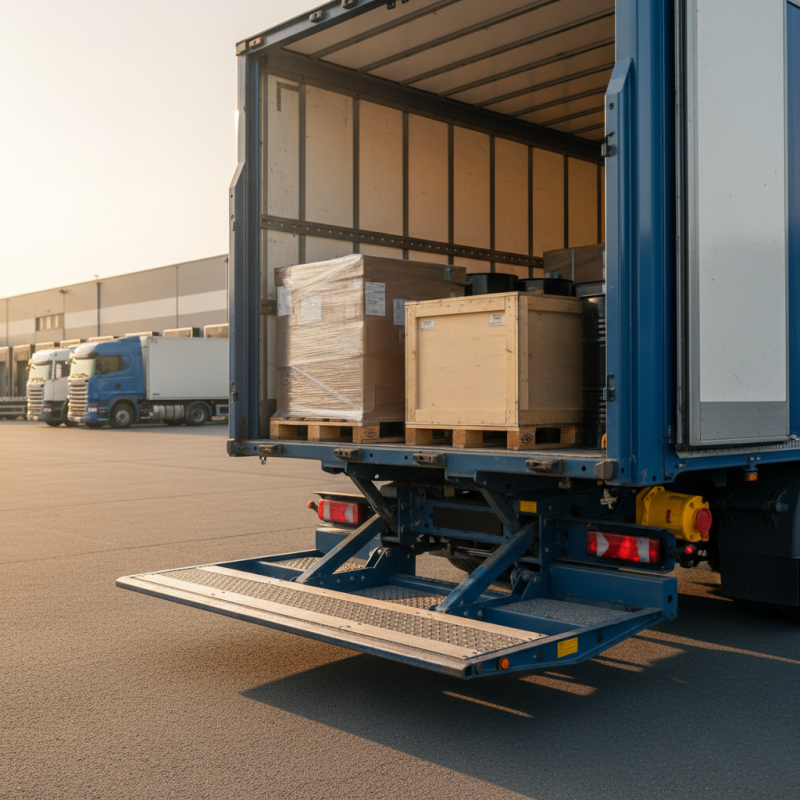
When considering the types of truck tail lifts available on the market, it’s crucial to understand their distinct functionalities. There are several options: column lifts, cantilever lifts, and slider lifts. Each type is designed for specific tasks. Column lifts offer robust support and are ideal for heavy loads. Cantilever lifts provide flexibility with side-loading capabilities. Slider lifts, on the other hand, are great for tight spaces.
Tips for choosing the right tail lift involve assessing your needs. Consider the weight capacity and platform size. A tail lift should match the weight of your typical cargo. Evaluate the vehicle compatibility as well. Not every lift will fit all truck models.
Maintenance is another vital area. Regular checks ensure reliability. Inspect hydraulic systems and electrical components often. An overlooked issue can lead to operational failures. Make sure to conduct thorough training for operators too. Proper training enhances safety and extends the lift's lifespan.
| Type | Load Capacity | Platform Size | Ideal Use | Operating Method |
|---|---|---|---|---|
| Hydraulic Tail Lift | 1,000 kg | 2.5 m x 2.0 m | Heavy Goods | Electric |
| Mechanical Tail Lift | 750 kg | 2.0 m x 1.8 m | Lightweight Loads | Manual |
| Foldable Tail Lift | 500 kg | 1.5 m x 1.5 m | Urban Deliveries | Electric |
| Tuck Under Tail Lift | 1,500 kg | 2.4 m x 2.2 m | Construction Materials | Electric |
When selecting a truck tail lift, load capacity should be a primary concern. Understanding the weight limits of various lifts is crucial. Too often, businesses underestimate their lifting needs. This can result in unsafe operations and damaged goods. A lift that cannot handle the load could lead to accidents.
Many factors influence load capacity. The type of cargo, its weight distribution, and even the lift's design play roles. For instance, unevenly distributed loads might require a higher capacity lift. Additionally, operators should account for the total weight of the truck and the lift combined. This ensures a safe lifting experience.
It's also wise to think about future needs. Businesses might grow and require heavier loads down the line. Choosing a lift that meets current demands but allows for growth can save time and money. Reflecting on past mistakes can lead to better decisions today. Investing in a reliable lift sets the foundation for smoother operations.
When selecting a truck tail lift, safety features should be a top priority. A sturdy design is essential. Check if the platform offers a non-slip surface. This can reduce the risk of accidents during loading and unloading. An adjustable height feature is also helpful. It accommodates different vehicle heights for safer operation.
Another critical aspect is weight capacity. Ensure the tail lift can handle your expected loads. Overloading can compromise safety. Look for models with built-in weight sensors. These sensors alert operators if they exceed load limits. Additionally, emergency stop controls are vital. They provide quick access if something goes wrong during use.
Regular maintenance is a common oversight. Operators often neglect this, leading to safety issues. It's important to check hydraulic systems frequently. Leaks can develop over time, creating hazards. Operators should also familiarize themselves with user manuals. Understanding operational limits can help prevent accidents. Ultimately, safety comes down to awareness and informed choices.
When considering a truck tail lift, maintenance and durability are crucial. Regular maintenance helps prevent breakdowns. A well-maintained lift can last up to 10 years, depending on usage. Neglecting maintenance can significantly reduce lifespan. According to industry studies, 30% of truck lift failures are due to lack of upkeep.
Durability is vital for efficiency. A robust tail lift can handle heavy loads. Typically, a tail lift should support at least 1,000 kg. Frequent heavy loads can strain the system. Professionals recommend using lifts suited for specific transportation needs. Material choice plays a role—aluminum lifts offer a balance of weight and strength.
Environmental conditions affect durability too. Regular inspections can identify wear and tear early. Corrosion is another enemy; it can compromise safety. Consequently, implementing protective measures is wise. Reflecting on maintenance practices is essential.
Improper maintenance may lead to costly repairs. Awareness of these factors ensures not only safety but also longevity for your truck tail lift.
Choosing a truck tail lift involves more than just price. A cost-benefit analysis is crucial. Different tail lifts come with distinct features and capabilities. Assessing their long-term value is essential for making a wise investment.
When evaluating tail lifts, consider their load capacity and lift speed. Higher capacities may initially seem more expensive, yet they often provide quicker loading times. This can greatly enhance your efficiency and reduce labor costs. Think about how frequently you will use the lift. A more robust model may save money in the long run.
Tips: Look into maintenance costs. Some tail lifts may require specialized servicing, increasing overall expenses. Additionally, factor in the resale value. If you choose a model with better durability, you might recoup more money later. Always analyze various options before making a decision. Prioritize models that balance cost and functionality effectively.
Are you still planning to build your shipping container home this year? How about you could save up to $5,000 in delivery costs towards your project?
With the Tiny Home Expos in Brisbane, Adelaide and Canberra in the coming months, we are offering FREE DELIVERY (*up to $5000) to each state the Expo is in, in exchange with using your project as a display at the show. Offer expires 8 weeks before each Expo and limited to ONE project per Expo ONLY so reach out to us now to secure your spot!
Enquire Now