When selecting a shipping solution, the flat pack container stands out for several reasons. These containers are designed for efficiency and ease of use. Their compact nature allows for more items to be shipped at once, ultimately saving costs. This is particularly valuable for businesses in today’s fast-paced market.
Flat pack containers are not only space-efficient but also durable. They are built to withstand tough conditions during transit. However, using them might require careful handling to avoid damage. Some users may find the assembly process confusing. Details matter in shipping, and a small error can impact the entire operation.
In a world where shipping costs are rising, flat pack containers offer a feasible alternative. Choosing the right solution is crucial. Reflecting on specific needs can clarify if flat pack containers are the answer. They can provide many advantages, but they are not perfect. Assessing both the pros and cons is essential for a successful shipping strategy.
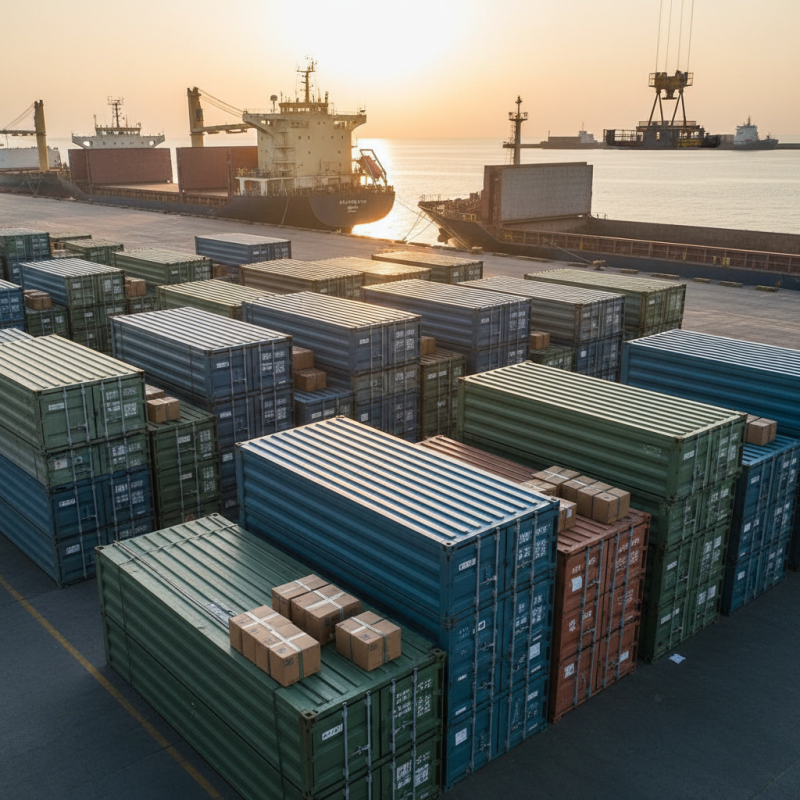
Flat pack containers are transforming modern shipping solutions. They offer versatile options for storage and transport. A recent industry report highlights that flat pack containers can reduce shipping costs by up to 30%. They take up less space and can be efficiently stacked, optimizing loading capacity. This is crucial as companies strive for sustainability and cost-effectiveness in logistics.
Tips: Consider the dimensions of your goods. Proper planning can maximize the benefits of flat pack containers. Choosing the right size minimizes wasted space and reduces shipping expenses. Proper packing techniques can also prevent damage during transport.
The flexibility of flat pack containers makes them attractive. They can adapt to various shipping needs. However, companies should reflect on their specific requirements before transitioning. Not every product fits perfectly into this solution. Understanding the nuances of your inventory is essential for successful shipping. Failing to do so may lead to inefficiencies.
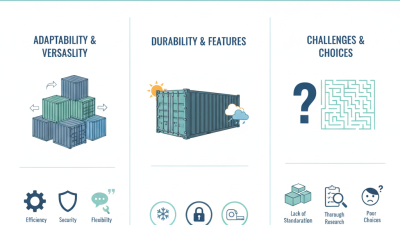
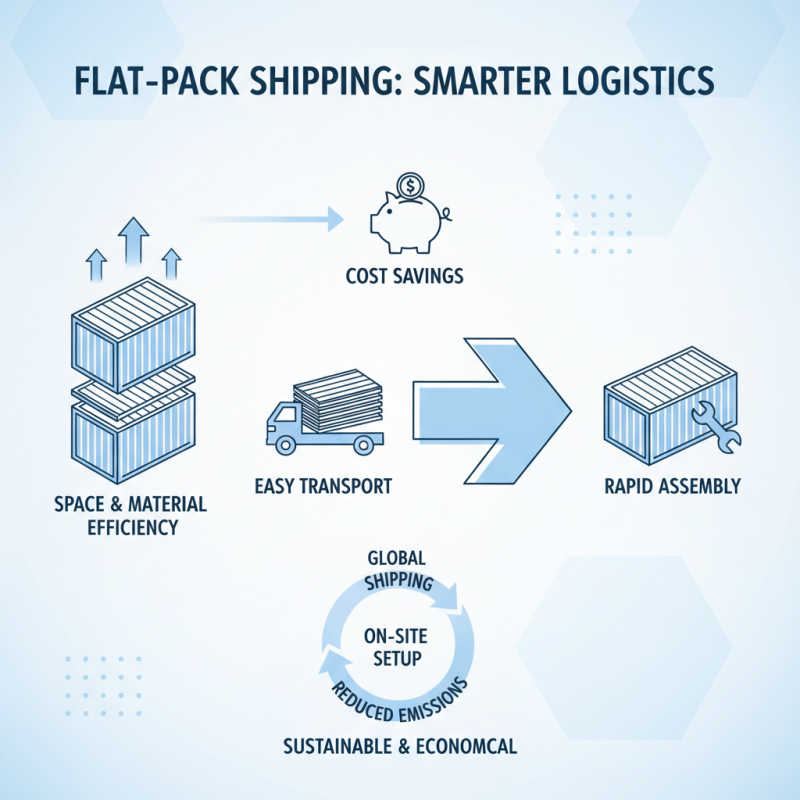
Flat pack containers are becoming a popular choice for shipping. Their design allows for efficient use of space and materials. This leads to significant cost savings. They can be easily assembled upon arrival, which reduces shipping costs.
Choosing flat pack containers can lower your shipping expenses. They reduce dimensional weight, which is vital for cost calculations. Instead of bulky containers, flat packs take less space. This often leads to lower freight charges. Opt for containers made from lightweight materials for added savings.
Tips for Using Flat Pack Containers:
1. Measure your cargo accurately. Miscalculations can lead to extra costs.
2. Ensure proper packing techniques. This prevents damage during transport.
3. Consider the destination's handling capabilities. Not all locations accommodate flat pack structures well.
Flat pack containers can transform your shipping strategy. While they offer significant advantages, it’s essential to think about their limitations too. Not all products fit well in flat packs. Rethink your options if your cargo is irregularly shaped.
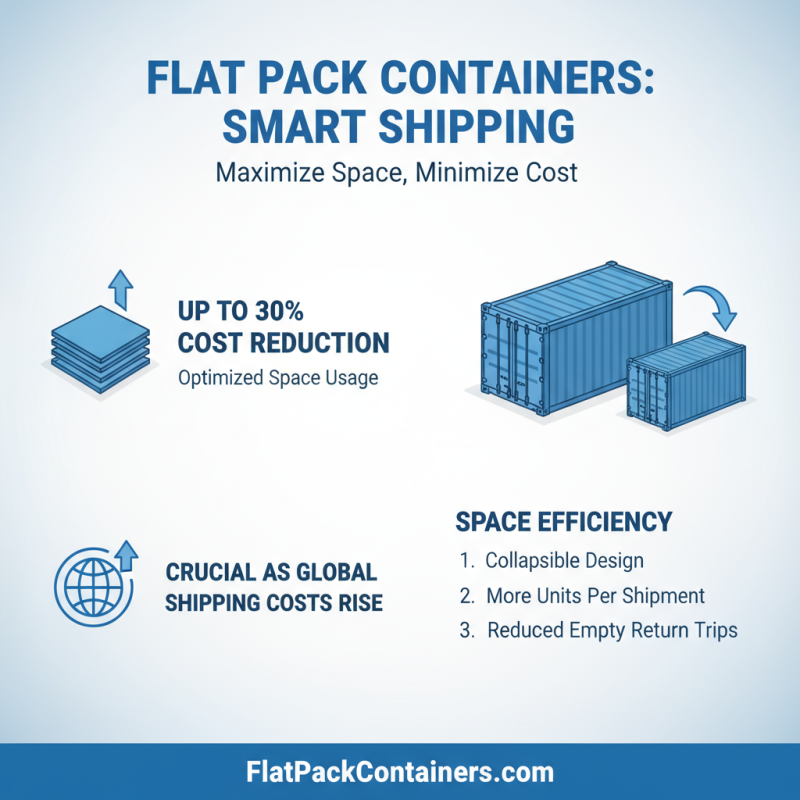
Flat pack containers offer a unique solution for shipping. They maximize space efficiency, a critical factor in logistics today. According to industry reports, optimized space usage can reduce transportation costs by up to 30%. This is particularly crucial as global shipping costs continue to rise.
When flat pack containers are not in use, they collapse efficiently. This saves up to 80% of the space compared to traditional containers. Warehouses struggle with limited space. Choosing these containers can alleviate some of that pressure. However, space-saving measures can lead to challenges in loading and unloading. Workers need training to handle these systems effectively.
Using flat pack containers can drive sustainability efforts. Fewer journeys are needed, reducing carbon emissions. A study shows that optimizing shipping can cut emissions by 20%. Yet, the initial transition to flat pack systems may pose hurdles. Companies may experience resistance from employees accustomed to traditional methods. However, the benefits are clear.
Flat pack containers offer exceptional durability, making them a smart choice for shipping. These containers are designed to withstand harsh environmental conditions. Rain, wind, and varying temperatures pose threats to goods during transit. Flat pack containers protect items like machinery, electronics, and fragile goods effectively. Their robust materials prevent damage due to impact and pressure.
What sets these containers apart is their protective features. For instance, some designs include reinforced edges. Moreover, they often come with watertight seals. This ensures that moisture does not enter the container. However, it's essential to check for wear and tear before each use. A neglected container may compromise safety.
Not all flat pack containers are created equal, though. Some may lack adequate insulation. This can be a concern, especially for sensitive items. Understanding the specific needs of your shipment is vital. Choosing the right container can make a significant difference in the delivery experience. Regular inspections and maintenance can help in maximizing their lifespan and functionality.
Flat pack containers are gaining attention for their role in sustainable shipping. Their design allows for efficient transportation, minimizing the carbon footprint. Unlike traditional containers, they can be collapsed when empty. This feature conserves space in transit and reduces fuel consumption.
Choosing flat pack containers can significantly lower environmental impact. They require less material to manufacture, leading to fewer resources consumed. However, not all containers are created equal. It's essential to verify the sustainability of the materials used. Consider eco-friendly options that prioritize recyclability.
Tips: Always check production certifications. Not every flat pack container is environmentally friendly. Look for those made from renewable materials. Evaluate your shipping needs closely. Sometimes a flat pack solution may not be the best fit.
Weigh the pros and cons carefully to ensure a real commitment to sustainability.
Are you still planning to build your shipping container home this year? How about you could save up to $5,000 in delivery costs towards your project?
With the Tiny Home Expos in Brisbane, Adelaide and Canberra in the coming months, we are offering FREE DELIVERY (*up to $5000) to each state the Expo is in, in exchange with using your project as a display at the show. Offer expires 8 weeks before each Expo and limited to ONE project per Expo ONLY so reach out to us now to secure your spot!
Enquire Now