When choosing the best hi vis softshell jacket, there are essential factors to consider. These jackets are designed for safety, visibility, and comfort. Their bright colors and reflective elements make them ideal for workers in construction, emergency services, and outdoor activities. However, not all jackets are created equal.
The fit and fabric are crucial. A well-fitting hi vis softshell jacket allows for ease of movement, essential for many tasks. Additionally, look for features like breathability and water resistance. These attributes enhance comfort throughout the day, especially in varying weather conditions. While many options exist, ensuring the jacket meets your specific needs is vital.
It's easy to overlook details in the hustle of selecting the right gear. Consider where and how often you'll wear this jacket. It should suit your activities and workplace environment. Remember, investing in a quality hi vis softshell jacket enhances safety and performance. Reflecting on your personal requirements will lead you to the best option available.
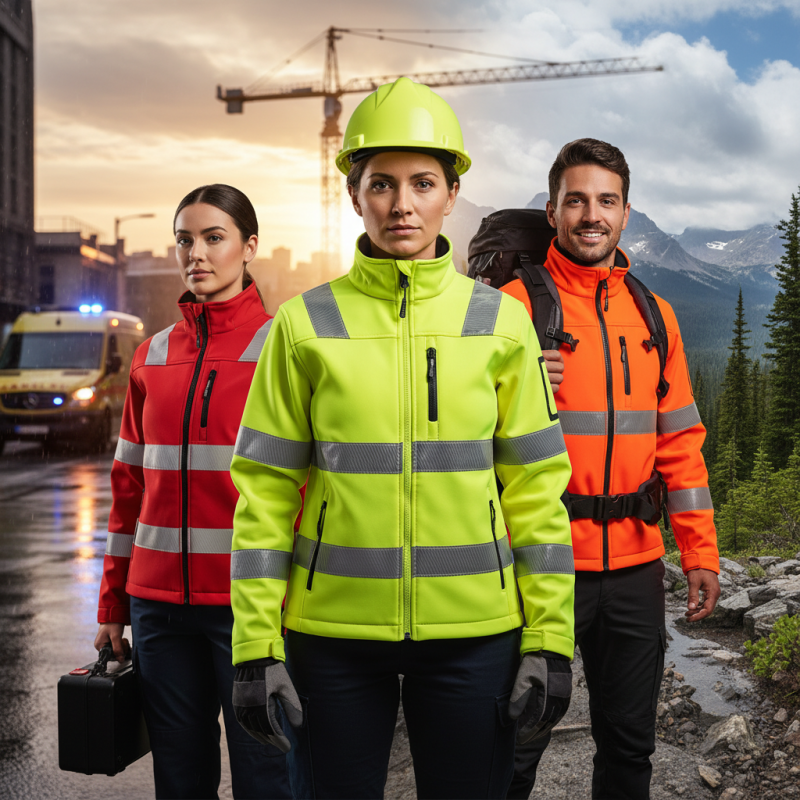
When selecting a hi vis softshell jacket, consider materials and construction. A durable fabric will withstand daily wear while providing comfort. Waterproof and wind-resistant features enhance protection against the elements. Check for breathability; you want to stay dry from sweat as well as rain.
Next, think about fit and functionality. Adjustable cuffs and hems can improve insulation. Look for pockets that are easy to access, as they’re essential for carrying tools or personal items. A jacket that allows freedom of movement is crucial, especially if your work involves physical activity.
Lastly, reflect on visibility requirements. Standards vary between industries. Ensure the jacket meets local safety regulations. High-visibility colors can enhance safety in low-light conditions. Make sure to assess how reflective strips are placed. They should not interfere with other gear you wear.
Choosing the right hi vis softshell jacket can greatly enhance safety and comfort. Understanding materials is crucial in making an informed decision. Commonly used materials include polyester and nylon. Polyester is lightweight and breathable. It often offers moisture-wicking properties, making it ideal for active work. On the other hand, nylon is robust and resistant to abrasion. It provides durability, especially in rugged environments.
Reflective elements vary widely as well. Some jackets integrate reflective strips into the fabric, enhancing visibility in low light. Others feature high-visibility colors, maximizing safety. It’s vital to consider weather resistance too. Some jackets are water-resistant while others are fully waterproof. A waterproof jacket is ideal for wet conditions, but it may lose breathability.
Personal preferences matter in this selection process. Comfort and fit should not be overlooked. A poorly fitting jacket can limit movement and reduce overall safety. Additionally, examine the jacket’s layering options. Layering provides versatility for changing temperatures. In the end, trying on a few options can guide you to the best choice. Small details in fabric and design can make a big difference.
When selecting a hi vis softshell jacket, fit is crucial for both comfort and visibility. An ideal jacket should allow for ease of movement while ensuring the reflective areas are prominent. A snug fit that isn’t restrictive will keep you comfortable for long hours.
To find your perfect size, take your measurements correctly. Measure your chest, waist, and sleeve length. Refer to sizing charts before making a purchase. Many jackets offer adjustable features. Take advantage of these to refine the fit further.
**Tip:** When trying on jackets, wear layers similar to what you’ll use in real situations. This way, you can assess how the jacket fits over other clothing.
Visibility shouldn't compromise comfort. Ensure the hi vis areas are enough to catch attention, especially at night. Look for jackets that have high reflectivity and bright colors.
**Tip:** During outdoor activities, assess how the jacket performs in different conditions. Is it too hot? Too cold? Adjust your future selections based on those experiences.
Remember, a well-fitted jacket can greatly enhance your safety and comfort. Choose wisely and reflect on your needs.
This bar chart illustrates key evaluation metrics for choosing the best Hi Vis softshell jackets, focusing on critical aspects such as Size & Fit, Material Quality, Reflective Features, Breathability, and Durability. Each aspect is rated on a scale of 1 to 10, providing a clear guide for making informed purchasing decisions.
When selecting a hi-vis softshell jacket, enhanced functionality and safety features are vital. Many jackets now incorporate reflective strips, allowing for better visibility in low-light conditions. A study by the National Institute for Occupational Safety and Health (NIOSH) indicated that visibility could reduce accident risks by up to 30%. This data highlights the importance of investing in quality reflective materials.
Water resistance is another crucial feature. A jacket that keeps moisture out can significantly improve comfort and productivity. According to the American Society for Testing and Materials (ASTM), softshell fabrics should have a water resistance rating of at least 1,500 mm. However, many products fall short of these standards, leading to dampness and discomfort.
Consider pockets and storage solutions for convenience. Multiple and easily accessible pockets enhance practicality. A survey suggests that 40% of workers prefer jackets with sufficient storage for tools and devices. However, some designs may compromise overall fit and flexibility. It's essential to balance storage needs with comfort and movement. While functionality is critical, a poorly fitting jacket can lead to reduced safety and hinder performance.
When choosing a hi vis softshell jacket, brand reputation plays a significant role. Many industry experts emphasize that certain brands consistently produce durable, high-visibility products. According to a recent report from the Occupational Safety and Health Administration (OSHA), over 40% of workplace accidents can be prevented with proper visibility attire. This statistic underscores the importance of reliable sources.
Comfort and functionality should not be overlooked either. Research indicates that jackets with moisture-wicking fabrics and breathable materials enhance worker performance. Moreover, fit and versatility are crucial. A jacket that allows for layering can adapt to varying weather conditions. Not all brands excel in these aspects. Exploring various options can lead to discovering unexpected gems that outperform more popular choices.
Finally, consider user reviews and ratings. Data collected from industry surveys show that real-world experience often highlights issues even the best brands overlook. Complaints about stitching quality or zipper durability are not uncommon. Both comfort and safety matter greatly, yet they can sometimes clash in design. Balancing these elements requires careful evaluation of each option.
Are you still planning to build your shipping container home this year? How about you could save up to $5,000 in delivery costs towards your project?
With the Tiny Home Expos in Brisbane, Adelaide and Canberra in the coming months, we are offering FREE DELIVERY (*up to $5000) to each state the Expo is in, in exchange with using your project as a display at the show. Offer expires 8 weeks before each Expo and limited to ONE project per Expo ONLY so reach out to us now to secure your spot!
Enquire Now