The global construction industry is evolving rapidly, driven by innovation and efficiency. Among the essential components supporting this growth are construction containers. According to a recent market report by ResearchAndMarkets, the construction container market is projected to see a substantial growth rate of 5.7% from 2023 to 2030. This data emphasizes the increasing importance of these units in various construction projects worldwide.
Construction containers provide flexible and cost-effective solutions for site management and storage. They offer security, mobility, and adaptability, catering to diverse project needs. However, many businesses face challenges in sourcing high-quality containers that meet international standards. Reports indicate that only a fraction of suppliers can consistently provide the durability and reliability required in the construction sector.
As global buyers seek the best construction container solutions, it is crucial to navigate this competitive landscape thoughtfully. Quality assurance, compliance with regulations, and responsiveness to market trends are paramount. Companies must critically assess their supply chains and be open to feedback and improvements. This approach not only enhances their offerings but also builds lasting partnerships in a dynamic market.
China has established itself as a leader in the global construction container market. Its innovative solutions and competitive pricing have attracted buyers from all over the world. The country's expertise in manufacturing and logistics plays a significant role in this dominance. With advanced technologies and skilled labor, Chinese companies can produce high-quality containers that meet various international standards.
When considering container solutions, buyers should focus on the specific applications of the containers. Different projects require different specifications. Understanding the purpose helps in selecting the right type of container for construction needs. For instance, are you looking for storage, accommodation, or a mobile unit? Each application has unique requirements.
It's essential to communicate clearly with suppliers. Discuss your project's needs and timelines. This helps in setting realistic expectations. Sometimes, buyers overlook environmental factors affecting container durability. Research the local climate where the containers will be used and ensure they are designed to withstand those conditions.
The global market is evolving, and so are buyer expectations. While China excels in production, there are still concerns regarding sustainability and ethical sourcing. Engage with suppliers who prioritize transparency and responsible practices. This reflection is crucial as the industry aims for improved standards.
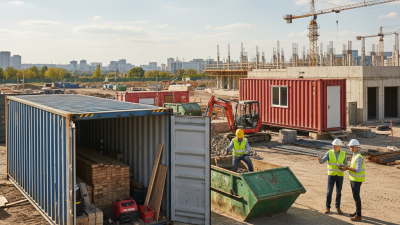
Innovative container solutions have become essential for global buyers. When it comes to construction, these solutions meet a variety of needs. The versatility of shipping containers enables their use in housing, offices, and even retail spaces. Buyers are increasingly looking for customized options that fit specific project requirements.
One key factor to consider is sustainability. Eco-friendly materials and designs can enhance the appeal of a project. Ensure the containers you choose have a minimal environmental impact. The durability of these containers also matters. High-quality steel can withstand harsh conditions, making them a reliable choice.
Communication is vital in this field. Global buyers should clearly outline their requirements. Sharing project specifics helps suppliers deliver the best solutions. Reflecting on past projects can also guide future purchases. Analyze what worked and what didn’t. This insight builds a stronger foundation for effective sourcing and project success.
China has emerged as a leader in providing construction container solutions. One crucial factor is cost efficiency. The manufacturing sector in China benefits from extensive resources and lower labor costs. This allows for competitive pricing that attracts global buyers. Many companies are opting for Chinese suppliers to save on expenses without sacrificing quality.
The variety and availability of materials also play a significant role. Manufacturers can source high-quality steel and other components locally, which reduces shipping costs and lead times. With the rapid advancement of technology, production methods have also improved. Automated facilities enhance precision and reduce waste, further contributing to cost savings.
It’s important to consider the import regulations and customs fees when sourcing containers from China. Ensure you understand the tariffs that may apply. Collaborating with a reliable partner can mitigate risks and streamline the purchasing process. Engage in thorough research and due diligence on suppliers to assess their credibility and capabilities. This will ultimately lead to more informed decisions and better overall outcomes.
Sustainability has become crucial in the global construction container industry. China's container manufacturing sector is making strides towards greener practices. Reports indicate that the industry has reduced carbon emissions by approximately 25% over the last decade. Despite this progress, challenges remain. Many manufacturers still rely heavily on traditional materials, which hinders further advancement.
Recycling and the use of eco-friendly materials are on the rise. According to industry studies, nearly 40% of new containers produced in China now incorporate recycled steel and aluminum. This shift not only lowers resource consumption but also addresses waste management issues. However, the transition is not uniform. Some manufacturers are still hesitant to invest in sustainable technologies due to their initial costs.
A recent survey highlighted that over 60% of global buyers prioritize sustainability when selecting suppliers. This rising demand is pushing Chinese manufacturers to innovate. Still, the gap between expectations and actual practices is noticeable. Many companies need to enhance their transparency regarding sustainability efforts to build trust with international customers.
China has become a leading hub for container solutions, driven highly by technological advancements. Reports indicate that the container logistics market in China is expected to reach $30 billion by 2025. Innovative practices, such as automation and IoT integration, are reshaping how containers are managed and utilized.
In many ports, automation systems now handle up to 80% of container movements. These systems increase efficiency but also highlight the challenge of job displacement. Smart sensors and real-time tracking are becoming standard, improving inventory accuracy. Yet, the complexity of integrating these technologies can overwhelm smaller operators who lack resources.
Moreover, there is a growing focus on sustainability. Advanced materials and energy-efficient designs are gaining traction. However, adoption rates vary significantly across regions. Many companies are still grappling with outdated practices. This division raises questions about how to ensure that all players benefit from technological progress. Balancing innovation with accessibility remains a critical challenge for the industry.
Are you still planning to build your shipping container home this year? How about you could save up to $5,000 in delivery costs towards your project?
With the Tiny Home Expos in Brisbane, Adelaide and Canberra in the coming months, we are offering FREE DELIVERY (*up to $5000) to each state the Expo is in, in exchange with using your project as a display at the show. Offer expires 8 weeks before each Expo and limited to ONE project per Expo ONLY so reach out to us now to secure your spot!
Enquire Now