What is a Cargo Container and How is it Used in Shipping Industries?

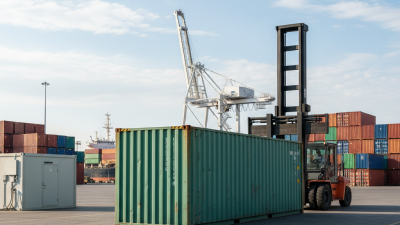
Cargo containers are essential in the shipping industry. They transform how goods are transported worldwide. These standardized boxes are designed to maximize efficiency in transporting products across land and sea.

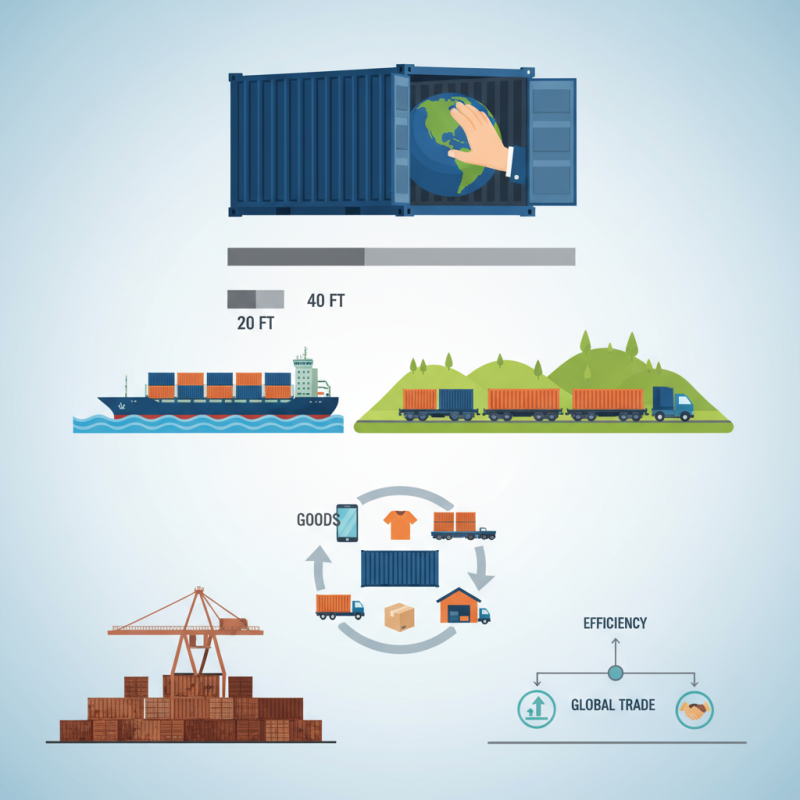
A cargo container often measures 20 or 40 feet long. They are made of durable steel, built to withstand harsh conditions. Each container can hold various items, from electronics to clothing. Their stackable design allows for easy loading and unloading. However, not all cargo containers fulfill their potential. Some remain unused or even abandoned at ports. That’s a challenge for logistical efficiency.

Understanding cargo container usage is vital for modern trade. Without them, global commerce would face significant hurdles. Yet, the industry still struggles with overcrowding and inefficiencies. As we explore further, it’s crucial to identify opportunities for improvement within this system.
What is a Cargo Container and How is it Used in Shipping Industries?

Definition and Structure of Cargo Containers

Cargo containers are standardized metal boxes used for transporting goods. They come in various sizes, but the most common types are 20-foot and 40-foot containers. The design allows for easy loading and unloading. Containers are built to withstand harsh weather and rough handling. Their robust structure ensures that the contents remain secure throughout the journey.

These containers feature strong structural components. The corners are reinforced, which aids in stacking during shipment. There are different types of containers, such as refrigerated ones for perishables or open-top containers for oversized cargo. Each type serves a specific purpose. However, the lack of uniformity in sizes worldwide can lead to complications in logistics. Sometimes, this causes inefficiencies in shipping routes.

Though cargo containers are highly functional, not all designs are perfect. Some containers may develop rust or structural weaknesses over time. It is essential for industries to regularly inspect and maintain them. Ensuring containers meet safety standards can prevent mishaps. The evolution of cargo containers reflects industry needs, but there’s always room for improvement in design and usage.


Usage of Cargo Containers in Shipping Industry

Types of Cargo Containers Used in Shipping

What is a Cargo Container and How is it Used in Shipping Industries?

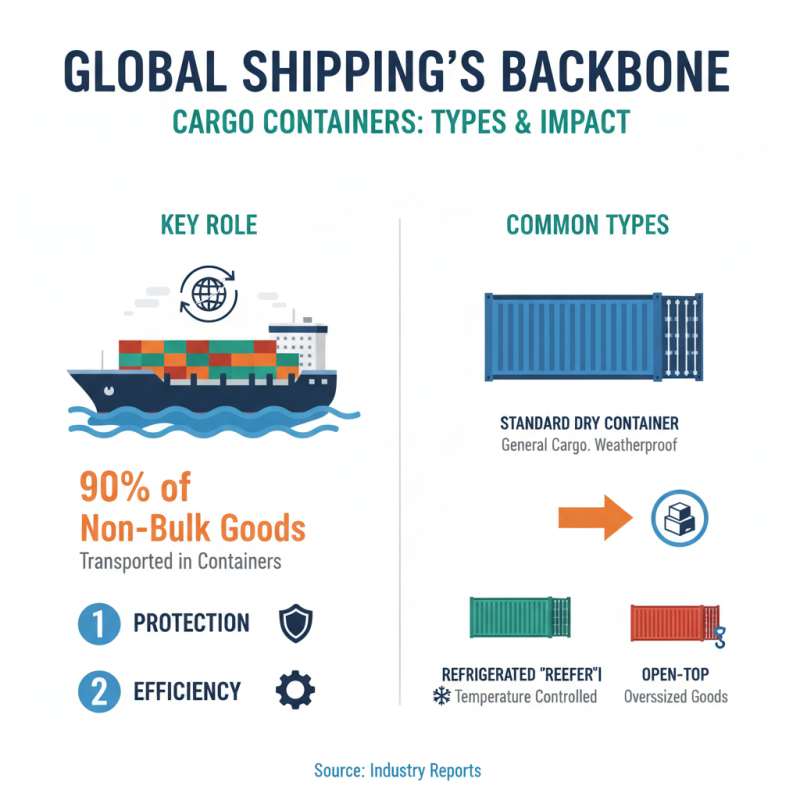
Cargo containers are vital in the shipping industry. They come in various types, each serving unique purposes. The most common type is the standard dry container. These containers are designed for general cargo, providing protection from the elements. Reports indicate that approximately 90% of all non-bulk goods are transported using these containers.

Reefer containers are another important type. They are temperature-controlled and ideal for perishable goods. The global refrigerated container market is expected to reach $9 billion by 2025. This growth stems from increasing demand for fresh food products worldwide. However, maintaining temperature regulation can be challenging, leading to potential spoilage.

Flat rack and open-top containers cater to oversized items. Flat racks are ideal for project cargo, while open-tops accommodate tall goods. There are shortages of these specialized containers in some regions. This can slow down shipping processes and impact delivery times. The imbalance in container types presents ongoing logistics challenges in the industry. As shipping continues to evolve, the effective use of various cargo containers is crucial.

The Role of Cargo Containers in Global Trade

What is a Cargo Container and How is it Used in Shipping Industries?

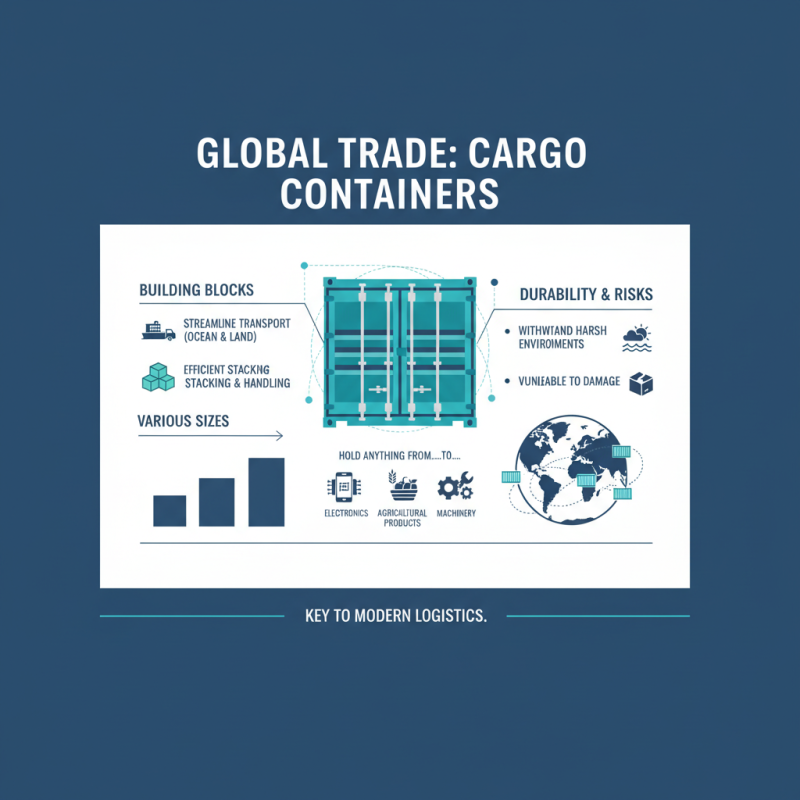
Cargo containers are building blocks of global trade. They streamline the transportation of goods across oceans and land. These simple metal boxes come in various sizes, enabling efficient stacking and handling. They can hold anything from electronics to agricultural products. Each container is designed to withstand harsh environments during transit, yet they can also be vulnerable to damage.

In global trade, cargo containers promote efficiency. Loading and unloading at ports is quicker, cutting down on idle time. This speed enables a smoother supply chain. However, not every container is utilized optimally. Some shipments are delayed, and containers sit unused in yards. This inefficiency calls for better management processes. The challenge lies in tracking containers and ensuring they are moving where needed.

The effectiveness of cargo containers extends beyond mere transportation. They support the economy by making international trade more accessible. Yet, there are issues to consider. Some containers are abandoned, creating waste and logistical challenges. The industry must address these shortcomings. Greater awareness and innovation could improve container utilization. This is essential for fostering sustainable global trade practices.

Handling and Transportation of Cargo Containers

Cargo containers play a crucial role in the shipping industry. They facilitate seamless movement of goods worldwide. According to industry reports, more than 90% of global trade is transported through container ships. This highlights their importance in modern logistics. Effective handling and transportation of these containers is essential for efficiency.

Many shipping companies rely on cranes and specialized equipment to load and unload containers at ports. This process requires precision. In 2020, cargo handling productivity at major ports averaged around 25 moves per hour. However, there are often delays due to congestion and equipment failure. Regular maintenance of handling machinery is necessary to minimize these disruptions.

Tip: Ensure that all cargo containers are properly labeled. This prevents confusion during the loading and unloading process. Mislabeling can lead to costly mistakes and delays.

Transporting cargo containers involves various modes of transport. Trucking, rail, and shipping all play significant roles. Rail transport, for instance, can be more cost-effective over long distances. However, limited routes can complicate logistics. Data shows that about 50% of containers are transported by trucks at some stage.

Tip: Always plan routes ahead of time. Assess potential challenges in transport logistics. This can save time and reduce operational costs. It's essential to continuously evaluate the efficiency of the supply chain. Adjustments may be needed as market conditions change.

What is a Cargo Container and How is it Used in Shipping Industries? - Handling and Transportation of Cargo Containers

Container Type Dimensions (ft) Volume (m³) Weight Capacity (kg) Common Uses
Standard Container 20 x 8 x 8.5 33.2 2,268 General cargo, machinery
High Cube Container 40 x 8 x 9.5 67.7 2,500 Lighter goods, storage
Reefer Container 40 x 8 x 9.5 67.7 30,480 Perishable goods, food
Open Top Container 40 x 8 x 8.5 67.7 28,260 Heavy machinery, large cargo
Flat Rack Container 40 x 8 x 8.5 68.5 30,480 Heavy loads, vehicles

Regulations and Standards for Cargo Containers in Shipping

Cargo containers are essential in shipping industries. Their design ensures safety and efficiency. However, not all containers meet the same standards. Various regulations govern their use around the globe. These standards often depend on the type of cargo. For instance, temperature-sensitive goods need specialized containers. Failure to comply can lead to significant losses.

Furthermore, inspections are crucial for regulatory compliance. Each container should pass stringent checks before being approved. These checks include structural integrity and cleanliness. Unfortunately, some containers do not meet these criteria. This oversight can pose risks during transit. It can also create delays at ports.

Attention to detail in regulations helps maintain a secure shipping process. The International Organization for Standardization (ISO) sets many standards. Yet, adherence to such standards isn't always consistent. Shippers must regularly update their knowledge about regulations. This can be challenging amid ever-changing guidelines. It's a continual process of learning and improving.

ENQUIRE NOW
close
Get In Touch

Use the form below to drop us an email if you have any question or comments.