Top 10 Benefits of Using Extruded Aluminum Profiles for Projects
When considering materials for various projects, Extruded Aluminum Profiles stand out significantly. These profiles offer unique advantages that make them ideal for many applications. They provide strength and durability, important traits in construction and manufacturing.
Additionally, Extruded Aluminum Profiles are lightweight yet robust, simplifying handling and transport. Their versatility allows for various shapes and sizes, catering to specific design needs. This adaptability can lead to innovative solutions, pushing the boundaries of conventional engineering practices.
However, using Extruded Aluminum Profiles may require careful planning and design. Potential challenges can arise in welding and joining techniques, highlighting the importance of expertise. Reflecting on these factors is essential for maximizing the benefits of these profiles and ensuring project success.
Understanding Extruded Aluminum Profiles: An Overview
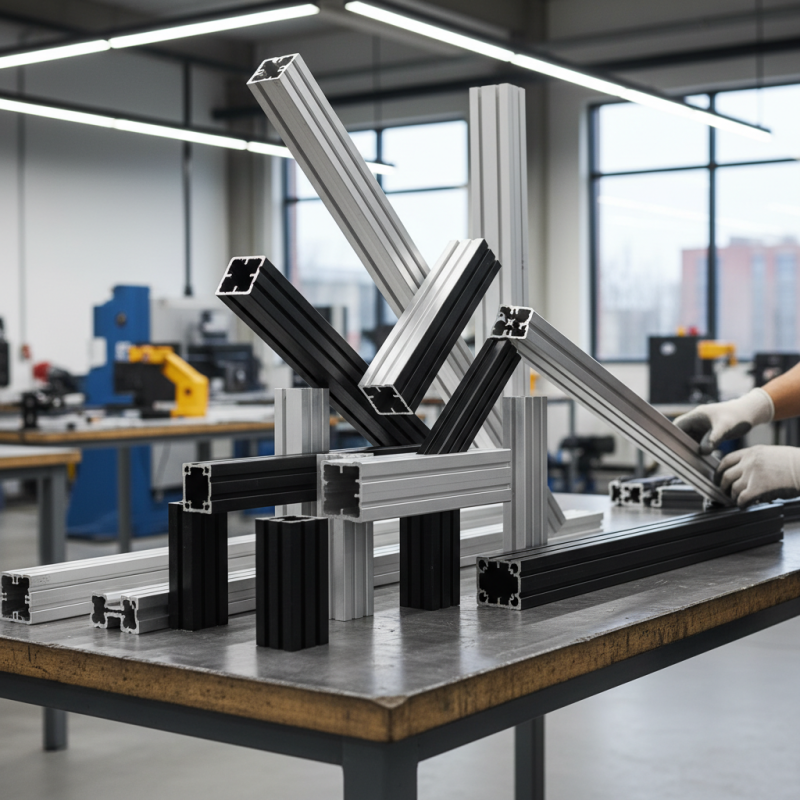
Extruded aluminum profiles are essential in various projects. These profiles are created by forcing aluminum through a die, resulting in consistent shapes. The process allows for flexibility in design while maintaining strength and durability. In construction, extruded aluminum frames contribute to energy efficiency. The U.S. Department of Energy reports that aluminum’s thermal properties help reduce energy consumption in buildings.
When selecting profiles, consider their weight-to-strength ratio. A study by the Aluminum Association highlights that aluminum is 1/3 the weight of steel, yet it can achieve comparable strength. This attribute is crucial for aerospace and automotive industries, where reducing weight can lead to better fuel efficiency. However, improper handling can lead to unsightly dents and scratches, affecting the profile's appearance.
Tip: Always check material specifications before purchase. Different alloys offer various benefits. For example, 6061 alloy is great for structural applications. Remember that even minor design flaws can lead to significant failures. Emphasizing quality control during production minimizes such risks. This attention to detail results in better long-term performance, making extruded aluminum a reliable choice for engineers and project developers alike.
Top 10 Benefits of Using Extruded Aluminum Profiles
Advantages of Lightweight Properties in Construction Projects
Lightweight properties of extruded aluminum profiles make them a popular choice in construction. Their density is about one-third that of steel, which greatly reduces the overall weight of structures. This can lead to significant savings in transportation and installation costs. A recent report from the Aluminum Association indicates that lighter materials contribute to shorter project timelines by up to 20%. This means quicker project completions, which is invaluable in today's fast-paced construction industry.
Moreover, the adaptability of aluminum profiles allows for complex designs without compromising strength. Despite their lightweight nature, they maintain structural integrity, making them ideal for both residential and commercial applications. A study by the International Aluminum Institute highlights that using aluminum can improve energy efficiency by lowering HVAC loads. This warrants attention since energy costs are a major consideration in construction budgets.
Despite these advantages, some challenges remain. Aluminum can be more susceptible to corrosion if not properly treated. This necessitates careful consideration during project planning. Selecting the right finish and protective coatings is essential. Failure to address these factors can lead to increased maintenance costs and potential structural issues down the line. Thus, while aluminum profiles offer many benefits, proper usage requires thoughtful decision-making.
Enhanced Durability and Corrosion Resistance in Various Environments
Extruded aluminum profiles offer enhanced durability and corrosion resistance, making them a preferred choice for various projects. According to industry reports, aluminum is naturally resistant to corrosion due to the formation of a protective oxide layer. This property is particularly valuable in harsh environments such as coastal areas or industrial settings, where materials are often exposed to moisture, chemicals, and salt.
The longevity of extruded aluminum profiles is noteworthy. Research indicates that aluminum can last over 50 years without significant deterioration, depending on environmental conditions. This advantage reduces the need for frequent replacements, saving time and resources.
Tip: When selecting aluminum profiles, pay attention to surface treatments. Anodized finishes can further enhance corrosion resistance, extending the lifespan of the material.
Furthermore, extruded aluminum profiles can be tailored for specific applications. Their versatility allows for complex designs while maintaining structural integrity. However, the manufacturing process can introduce inconsistencies in profiles that may affect performance. It’s essential to source materials from reputable suppliers to mitigate these issues.
Tip: Always check the specifications and certifications of the aluminum profiles you plan to use in your projects. This will ensure compliance with industry standards and help avoid potential problems.
Versatility of Design: Customization in Extruded Aluminum Applications
Extruded aluminum profiles are revolutionizing design capabilities across various industries. Their versatility allows for endless customization options. Designers can create unique shapes tailored to specific project needs. This adaptability caters to different aesthetic preferences and functional requirements. From intricate architectural features to straightforward industrial applications, extruded aluminum fulfills diverse design visions.
Consider the process of designing a custom aluminum profile. Designers can mold the material into complex geometries, adapting to functional demands while staying visually appealing. This can lead to creative solutions that enhance a product's utility and style. Whether it is for a sleek modern facade or efficient structural components, the ability to customize is a significant advantage. However, achieving the perfect balance between aesthetics and function demands careful consideration. Over-design can complicate manufacturing, leading to delays or increased costs.
Moreover, the reflective surface of aluminum can also pose design challenges. While it offers a modern look, glare and heat retention may become issues. These factors require thoughtful design adjustments to ensure usability and comfort. In this dynamic field, learning from past designs and improving upon them is essential. Extruded aluminum isn't just about form; it's about creating functional, elegant solutions that meet real-world needs.
Sustainability and Recyclability of Aluminum Profiles in Modern Use
Aluminum profiles have gained popularity due to their sustainability and recyclability. This metal is abundant and widely used in various applications today. One of the main advantages is that aluminum can be recycled indefinitely without degrading its properties. This means that any scrap material or old profiles can easily be transformed into new ones.
Modern processes allow for efficient recycling, significantly reducing energy consumption. It takes only 5% of the energy used to create new aluminum to recycle old material. Despite its benefits, some challenges persist. Not all recycling facilities handle aluminum properly, leading to wasted resources. Additionally, the energy expended in transportation can undermine environmental advantages.
Using extruded aluminum profiles can also pose questions about sourcing and production. Responsible sourcing is crucial to ensure that the aluminum extracted comes from sustainable mines. Continuous efforts are needed to improve recycling infrastructure and raise awareness about the lifecycle of aluminum products. These challenges highlight the need for a collective approach in promoting sustainability within the aluminum industry.