Top 10 Benefits of Shipping Container Buildings for Sustainable Living

In recent years, the concept of sustainable living has gained significant traction, prompting individuals and communities to explore innovative solutions to reduce their ecological footprint. One such solution that has emerged is the use of shipping container buildings. These modular structures, crafted from repurposed shipping containers, not only offer a unique aesthetic appeal but also provide a practical approach to environmentally friendly living. As urbanization continues to rise, the demand for affordable housing solutions along with the need for sustainable construction practices has made shipping container buildings a compelling option.

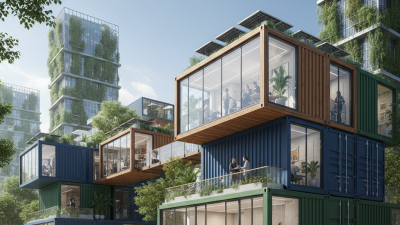
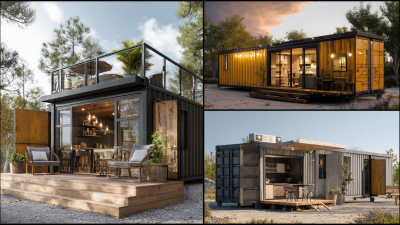
Shipping container buildings are lauded for their versatility and durability, making them suitable for various applications, from residential homes to community centers. Their construction involves minimal waste, as they utilize materials that might otherwise contribute to landfills. Furthermore, the ability to stack and arrange containers in numerous configurations allows for creative design solutions that can adapt to various landscapes and environmental conditions. This introduction explores the top 10 benefits of shipping container buildings, highlighting how they not only address the pressing need for affordable and sustainable living but also promote a more resource-conscious approach to our building practices. By embracing this innovative housing solution, we can pave the way for a greener future where sustainability and functionality go hand in hand.
Top 10 Benefits of Shipping Container Buildings for Sustainable Living

Advantages of Using Shipping Containers for Eco-Friendly Housing

Top 10 Benefits of Shipping Container Buildings for Sustainable Living

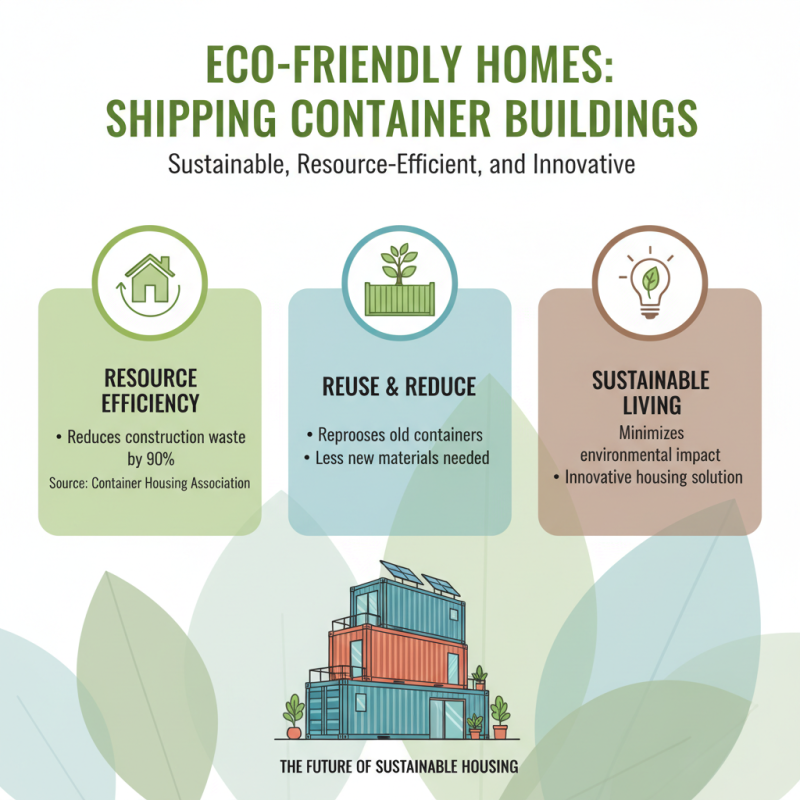
Shipping container buildings are rapidly gaining popularity as a sustainable housing solution, presenting several advantages for eco-friendly living. One of the most compelling benefits is their resource efficiency; according to a report from the Container Housing Association, transforming old shipping containers into homes can reduce construction waste by up to 90%. These containers are often repurposed, avoiding the need to harvest new resources and minimizing the environmental impact associated with traditional building materials.

Moreover, shipping containers have a lower carbon footprint compared to conventional homes. Studies from the Sustainable Housing Institute reveal that container homes can save up to 70% in energy costs over their lifetime due to their durability and insulation properties. This transition from a throwaway economy to a more sustainable model not only benefits the environment but also often results in lower construction and utility costs for homeowners.

**Tips:**
- Consider insulating your shipping container with eco-friendly materials like recycled denim or sheep wool to enhance energy efficiency.
- Implement solar panels on your container home to further decrease reliance on non-renewable energy sources and cut electricity costs.


Cost-Effectiveness of Shipping Container Buildings Compared to Traditional Homes

Shipping container buildings have emerged as a compelling alternative to traditional homes, especially in terms of cost-effectiveness. The affordability of shipping containers, often available at a fraction of the price of conventional building materials, allows individuals and families to pursue sustainable living without the hefty financial burden typically associated with home purchases. By repurposing these containers, homeowners can significantly reduce construction costs while also minimizing their carbon footprint, making it an attractive option for eco-conscious buyers.

Moreover, shipping container homes offer reduced maintenance costs in the long run. The durability of steel containers means they can withstand harsh weather better than traditional wood-frame houses, often leading to fewer repairs and lower upkeep expenses. Additionally, their modular design allows for quick assembly and customization, which not only shortens the construction timeline but also cuts down on labor costs. This combination of initial savings and long-term financial benefits establishes shipping container buildings as a practical solution for those seeking a budget-friendly yet sustainable lifestyle.

Durability and Resilience: How Containers Withstand Weather Challenges

Shipping container buildings have gained popularity in the realm of sustainable living, largely due to their remarkable durability and resilience against various weather challenges. Made from corten steel, these containers are designed to withstand extreme conditions, including high winds, snow loads, and even seismic events. According to the American Institute of Steel Construction, steel structures can endure forces up to 10 times those faced by traditional buildings, highlighting their suitability for a range of environments.

Furthermore, shipping containers are impervious to many environmental threats such as termites and rot, which are common issues in traditional wooden structures. Data from the Federal Emergency Management Agency (FEMA) indicates that buildings made from robust materials like steel can reduce overall maintenance costs by up to 40%, significantly lowering the long-term financial commitment for homeowners. Additionally, containers can be insulated and modified to meet modern living standards while maintaining their structural integrity, making them a reliable choice for eco-conscious individuals looking to minimize their environmental footprint.

Flexibility in Design: Customizing Shipping Containers for Unique Needs

Top 10 Benefits of Shipping Container Buildings for Sustainable Living

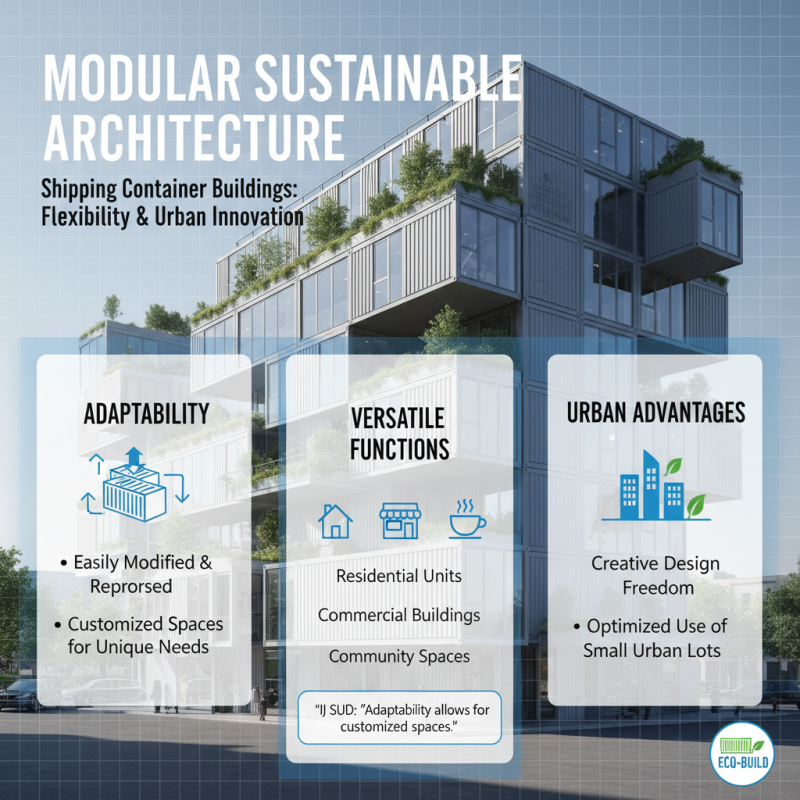
Shipping container buildings are gaining traction in the sustainable living movement due to their inherent flexibility in design. Unlike traditional construction methods, shipping containers can be easily modified and repurposed to meet unique needs. According to the International Journal of Sustainable Urban Development, the adaptability of containers allows architects and builders to create customized spaces that can accommodate varying functions, from residential units to commercial spaces. This flexibility not only enhances creativity in design but also allows for the effective utilization of small urban lots, which can be crucial in densely populated areas facing housing shortages.

Moreover, shipping containers are inherently modular, allowing for the efficient assembly of multiple units. A report from the McKinsey Global Institute on urbanization indicates that adaptable construction methods, like those presented by shipping container architecture, can lead to a 20-30% reduction in construction time compared to traditional buildings. This reduction in construction time minimizes the environmental impact associated with extended building projects, such as waste generation and energy consumption. Each container can be easily transported, stacked, and arranged, offering endless possibilities for creating personalized living spaces that are not only functional but also environmentally friendly.

Minimal Environmental Footprint: Sustainable Manufacturing and Reuse

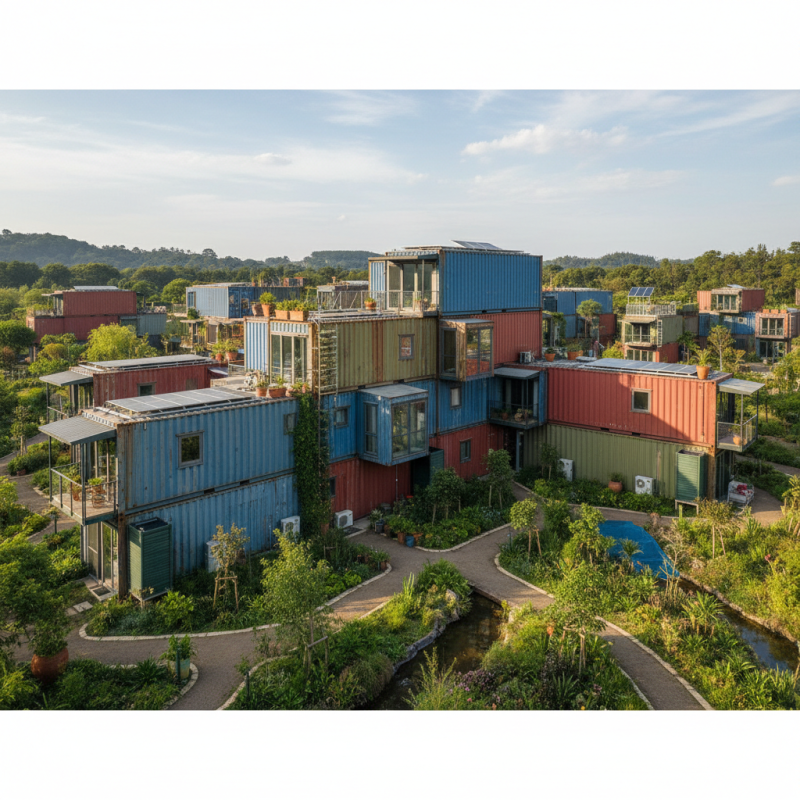
Shipping container buildings stand out as a beacon of sustainable living, primarily due to their minimal environmental footprint. One of the most significant aspects of these structures is their reliance on recycled materials. Each container that gets repurposed for building is one less piece of metal sitting idle in a junkyard, thereby reducing the demand for new manufacturing. By reusing these containers, we not only conserve natural resources but also mitigate the energy and emissions associated with traditional construction methods.

Moreover, the manufacturing process of shipping containers is inherently more sustainable than that of conventional building materials. Fabricating steel, for instance, is energy-intensive and often involves extracting raw materials from the earth. In contrast, repurposing existing shipping containers requires less energy and results in fewer greenhouse gas emissions. The adaptability of these units allows for innovative designs that minimize waste, as they can be easily modified to suit specific needs without significant alterations to the original structure.

Overall, shipping container buildings represent a forward-thinking approach to construction that aligns with the principles of sustainability and environmental stewardship.

ENQUIRE NOW
close
Get In Touch

Use the form below to drop us an email if you have any question or comments.