A Personal Scooter is no longer a novelty for short urban journeys. It is becoming practical transport for commuters, students, and local shoppers. The International Energy Agency reported in Global EV Outlook 2024 that electric three-wheelers represented about two-thirds of global sales in 2023. That shift reflects rising battery confidence, improving charging access, and stronger demand for lower-cost mobility.
However, global buyers face very different conditions. A scooter that performs well on dry streets may struggle on steep roads, heavy rain, or rough pavement. Range claims also need careful interpretation. Manufacturers often test under ideal conditions, while riders carry bags, climb hills, and use headlights. This guide examines real-world range, battery chemistry, motor output, braking systems, water resistance, rider weight limits, and replacement-part availability. Safety remains central. The World Health Organization’s Global Status Report on Road Safety 2023 highlights the serious risks faced by vulnerable road users, including people using two-wheeled vehicles. Protective equipment, visibility, and responsible speed matter as much as technical specifications.
Market forecasts can disagree, and product information is not always complete. That is worth acknowledging. A low price may hide expensive batteries, limited warranties, or weak local service. Readers should also confirm applicable road-use, age, helmet, and charging requirements before purchase. Regulations differ between countries and cities. Evidence from the IEA, WHO, manufacturer testing, and verified owner experience provides a stronger basis than advertising alone. This 2026 buying guide compares practical ownership factors, not just impressive specifications, helping international buyers choose a Personal Scooter that fits their roads, climate, budget, and daily habits.
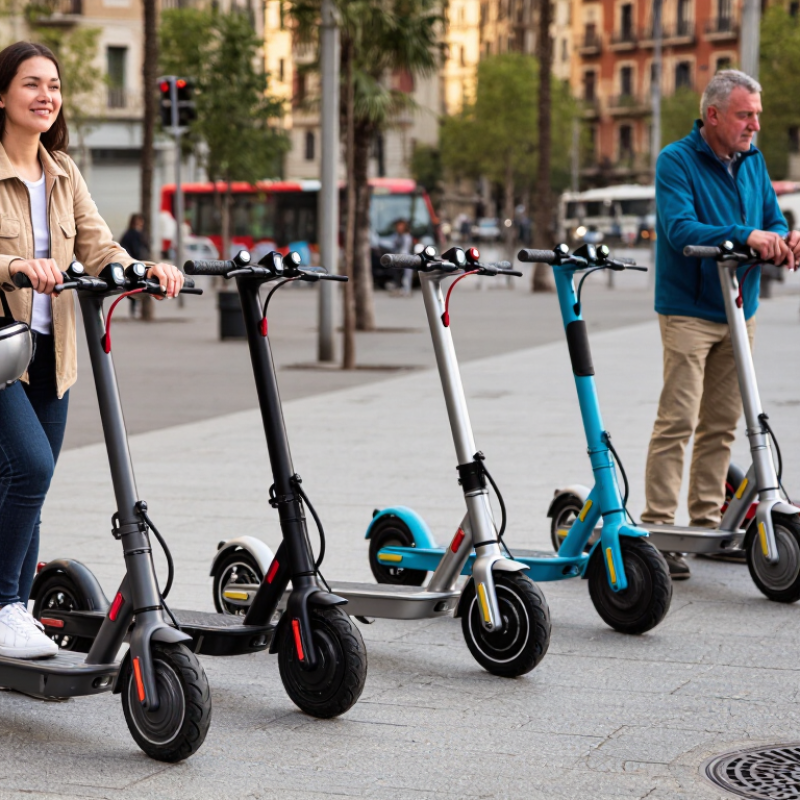
Choosing a personal scooter starts with its main use, not its top speed. A lightweight kick scooter suits short urban trips, train connections, and compact storage. A seated scooter offers better comfort for longer commutes. Larger tires and stronger suspension help on uneven streets, although they add weight. For recreation, a performance model may feel responsive, but it can be excessive for daily errands.
Industry data supports this shift toward small electric transport. The International Energy Agency’s Global EV Outlook 2024 identifies electric two- and three-wheelers as the world’s largest electric vehicle fleet by volume. In the United States, NACTO recorded 157 million shared micromobility trips in 2023. These figures show strong demand, but they do not prove every scooter fits every rider. A published range can shrink sharply in cold weather, on hills, or under heavier loads. I have found that real comfort often matters more than acceleration.
Tips: Match the deck, tires, and riding posture to your route. Measure storage space before buying. Check charging time and battery replacement support. For wet climates, inspect the stated water-resistance rating carefully. A foldable scooter is practical, yet frequent folding may loosen parts over time. Review local equipment and road-use rules before riding. Also test the brakes at walking speed first; specifications cannot replace hands-on judgment.
Before buying a personal scooter, check the rules where you will ride it. Requirements may cover maximum speed, rider age, helmet use, lighting, registration, insurance, and sidewalk access. They can change between cities, even within one country. The World Health Organization’s Global Status Report on Road Safety 2023 recorded about 1.19 million annual road deaths. More than half involve vulnerable road users, including pedestrians, cyclists, and motorcyclists. A scooter rider needs similar caution.
Safety is not only a product specification. The U.S. Consumer Product Safety Commission reported an estimated 233,870 emergency-department-treated injuries involving micromobility products from 2017 to 2022. Check brake response on a quiet street. Test both front and rear lights at dusk. Wear a correctly fitted helmet, visible clothing, and closed shoes. Small wheels can react sharply to potholes, wet leaves, and tram tracks. I still underestimate poor road surfaces sometimes.
Review the user manual and local transport authority website before purchase. Confirm whether the scooter’s declared speed and power are legal locally. Check charging instructions, battery certification, and indoor storage requirements. International shipping may involve separate battery transport rules. Standards can help, but certification alone cannot replace careful riding. Keep a screenshot of current regulations, because printed guidance becomes outdated. Do not assume a familiar rule applies abroad.
Range, speed, battery quality, portability, and comfort should be judged together. A long-range scooter may use a heavier battery and feel difficult to carry upstairs. For daily city trips, measure your real route, including hills, traffic stops, and weather delays. Add a safety margin of at least 20 percent.
Speed also affects control, stopping distance, and energy use. Faster is not always better. A moderate top speed may suit crowded streets more effectively.
Battery capacity matters, but charging habits matter too. Check the charging time, battery protection features, and expected performance in cold conditions. A removable battery can help apartment users, although it may increase weight.
Portability depends on folded size, handle position, and lifting balance. Test these details with one hand if possible.
Comfort comes from more than a padded deck. Look for stable tires, useful suspension, sensible handlebar height, and enough standing space. Small vibration becomes tiring after several kilometers.
Tips:
Record your route for three days before buying. Weigh the scooter beside a full backpack. Try folding it near a narrow doorway. Read the warranty and service terms carefully. Specifications can look impressive, yet real comfort is personal. A showroom test may miss rough pavement, rain, or a steep final hill. Check local equipment rules before riding, and wear suitable protective gear.
A reliable personal scooter begins with physical inspection, not a bright display. Press the deck gently and check for unusual flex. Examine welds, folding joints, cables, and tire sidewalls. The stem should feel firm during slow turns and sudden braking. I once overlooked a slightly loose hinge during a showroom test. It became noisier after several rides. Small movement matters.
Smart features should support control, not distract from it. Useful functions include battery temperature warnings, adjustable riding modes, accurate range estimates, and maintenance alerts. Test the app before buying. Does it connect quickly? Are settings easy to understand?
Some range figures seem generous because they use ideal conditions. Cold weather, hills, rider weight, and frequent stops reduce distance. Treat advertised numbers as reference points.
Warranty language deserves careful reading. Confirm coverage for the battery, motor, charger, frame, and display. Ask whether labor and shipping are included. A long warranty is less useful when repairs require overseas shipping. Check the service center’s location and request an estimated repair time.
Spare tires, brake parts, chargers, and folding hardware should be available locally or through a clear ordering process. Save invoices and inspection records. They can support a legitimate claim later.
Service quality is difficult to judge online, so read recent buyer reports and ask direct questions before payment. There is no perfect scooter, and my own test routine still misses problems sometimes.
Choosing a personal scooter starts with your daily route, not the advertised top speed. A compact model suits short urban trips, train connections, and limited storage. For longer commutes, compare tested range, charging time, hill performance, and rider weight limits. Real range can fall in cold weather, strong wind, or repeated climbs. That detail is easy to overlook.
Budget for more than the purchase price. Include a certified helmet, lights, maintenance, replacement tires, and secure storage. The International Energy Agency’s Global EV Outlook 2024 identifies electric two- and three-wheelers as a major part of global electric mobility. Yet convenience still depends on local charging access and repair support. The World Health Organization reports about 1.19 million annual road deaths worldwide, so braking quality, visibility, and stable handling deserve priority over speed. Faster is not always better.
Tips: Mark your route before buying. Measure hills, rough pavement, rain exposure, and indoor storage space. Choose pneumatic tires for comfort, but expect puncture checks. Solid tires need less maintenance, yet transmit more vibration. Ask for independent range testing and clear battery warranty terms. A cheaper scooter may become expensive after one damaged component. I have seen buyers focus too heavily on range numbers. That is a useful warning. Your ideal scooter is the one you can carry, charge, control, and maintain consistently.
Are you still planning to build your shipping container home this year? How about you could save up to $5,000 in delivery costs towards your project?
With the Tiny Home Expos in Brisbane, Adelaide and Canberra in the coming months, we are offering FREE DELIVERY (*up to $5000) to each state the Expo is in, in exchange with using your project as a display at the show. Offer expires 8 weeks before each Expo and limited to ONE project per Expo ONLY so reach out to us now to secure your spot!
Enquire Now